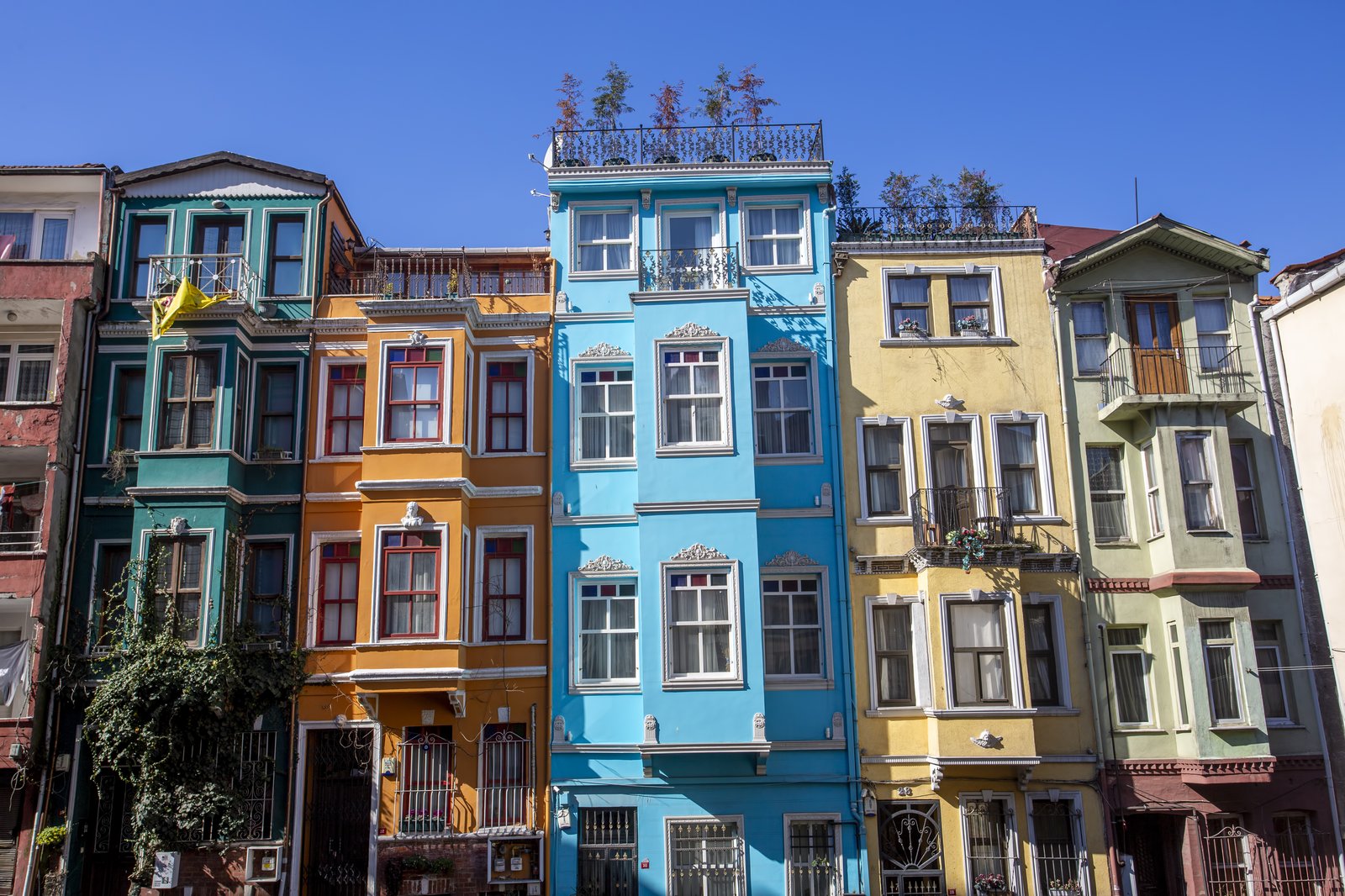
Balat and Fener sit on the Golden Horn waterfront in the Fatih district. They are two adjacent neighborhoods that most visitors to Istanbul never reach. The ones who do come back with the best photographs of any trip to the city. The colored house facades, the steep lanes, the old Greek and Jewish heritage buildings, and the Golden Horn views combine into something that genuinely does not look like anywhere else in Europe.
How to Get There
From Sultanahmet, take the tram to Eminönü (three stops) and then a bus along the Golden Horn waterfront. Bus line 99 or 99A from Eminönü to Balat takes about fifteen minutes. The fare is 42 TL with an Istanbulkart. You can also take the Marmaray to Yenikapı and connect, but the waterfront bus is easier and more scenic.
From Taksim, take the metro to Haliç station on the M7 line and walk down toward the water. The walk takes about ten minutes downhill. Current metro fares and route maps are on the IETT website.
The Streets That Made This Neighborhood Famous
Merdivenli Yokuş (the staircase street) in Balat is the image people mean when they say Istanbul’s most photogenic street. A steep staircase lane with colored houses on both sides, laundry overhead, and cats on the steps. It photographs well in any light but the best time is early morning when the shadows are long and the street is empty.
Vodina Caddesi in Balat is the main street through the old Jewish quarter. The synagogue at Yanbol Sokak is now a museum. The street itself has a mix of old residential buildings, small workshops, and a handful of cafes that have opened in the last few years serving the weekend visitors from other parts of Istanbul.
Fener: The Greek Quarter
Fener sits immediately north of Balat. It was the center of Istanbul’s Greek Orthodox community for centuries and is still the seat of the Ecumenical Patriarchate. The Phanar Greek Orthodox Patriarchate on Sadrazam Ali Pasha Caddesi is one of the most historically significant buildings in the city. Visitors are welcome and the compound includes a church that has been a functioning place of worship since the 18th century.
The streets around the Patriarchate are steep and quiet. The red brick Bulgarian St. Stephen Church (the Iron Church), built entirely from cast iron components shipped from Vienna in the 1890s, sits on the waterfront at the Fener end. You can visit both in the same afternoon.
💡 Pro Tip: The Iron Church of St. Stephen is one of the stranger and more interesting buildings in Istanbul. Walk around the outside before you go in. The fact that the entire structure is prefabricated cast iron, assembled on site, is obvious once you know to look for it. Entry is free.
What to Photograph and When
Both neighborhoods photograph well throughout the day but the lighting is best in the two hours after sunrise and the two hours before sunset. The colored facades on the Balat stairs face east, so morning light is better for those. The Golden Horn waterfront faces west, making it ideal for late afternoon when the water catches the light.
- The Balat stairs (Merdivenli Yokuş): Morning, before 9:00
- The Fener waterfront and Iron Church: Late afternoon
- The view down Vodina Caddesi: Midday works well because of the street orientation
- Interior courtyards: Any time, as long as you ask permission before photographing private homes
The Heritage Architecture
Beyond the famous staircase lanes, both neighborhoods have a concentration of late Ottoman and early Republican era buildings that are in various states of repair. Some have been restored beautifully. Others are in slow decline. The texture of this mix is part of what makes the area feel real rather than curated.
The red-brick schools and hospital buildings in Fener date from the Greek Orthodox community’s most prosperous period in the 19th century. The Fener Greek Boys’ School (now a girls’ high school) is a prominent building visible from the waterfront. The Balat area also has several surviving synagogues from the Sephardic Jewish community that settled here after the 1492 expulsion from Spain.
The Ministry of Culture has a heritage site listing for some of these buildings: Kültür ve Turizm Bakanlığı.
💡 Pro Tip: The weekend flea market on the Balat waterfront road operates on Saturday mornings. It is mostly household goods and secondhand clothing, but it adds to the neighborhood atmosphere and is a good reason to arrive early rather than mid-morning.
Eating and Drinking in Balat
Balat has developed a small but good cafe and restaurant scene over the last few years. The places on Vodina Caddesi and around the main mosque square are mostly aimed at the weekend visitors, which means they are accessible and reasonably priced. Breakfast with coffee runs 250 to 400 TL per person.
The neighborhood is not a dining destination in the way that Karaköy or Kadıköy are, but there are solid options for lunch. Local börek shops and small home-cooking restaurants serve the residential population and are the best value eating in the area.
Getting the Most from the Visit
Come on a weekday if you can. On weekend afternoons, particularly Saturday, the streets can get crowded with visitors from other Istanbul neighborhoods who have the same idea as you. Weekday mornings in Balat and Fener are quiet, local, and far closer to what these neighborhoods actually feel like to live in.
Pair this visit with the wider Fatih neighborhood overview: Fatih and Old City Guide. For the historical context of this part of the city, the Fatih religious and historical guide fills in the detail: Inside Fatih: Religious and Historical Old City.