Fatih Guide: Istanbul’s Historic Old City Beyond Sultanahmet
Explore Fatih beyond Sultanahmet: Süleymaniye, Fatih Mosque, Balat and Fener, Chora, the Byzantine walls, mosque rules, food and tips.

In this guide
Most visitors to Istanbul never leave Sultanahmet. They see the Hagia Sophia, walk through the Grand Bazaar, and think they’ve “done” the old city. But Sultanahmet is only one corner of Fatih, a sprawling district of 57 neighborhoods that covers Istanbul’s entire historic peninsula. This is the original walled city, the place where Constantine founded his capital and Fatih Sultan Mehmed conquered it in 1453. And beyond the tourist cluster, Fatih holds some of Istanbul’s most authentic, colorful, and quietly powerful neighborhoods, plus some of the finest Ottoman monuments anywhere.
If Sultanahmet is the museum, the rest of Fatih is the living city: deeply religious, rich in diversity, and home to communities that have been here for centuries. This Fatih neighborhood guide takes you into the streets where the tour buses don’t stop: Balat’s rainbow staircases, Fener’s Greek Orthodox heritage, Süleymaniye’s commanding hilltop mosque, the Byzantine land walls, and the local markets where you’ll be the only foreigner.
The Quick Answer
What is Fatih? The municipality that covers Istanbul’s whole historic peninsula, including Sultanahmet, the bazaars, Süleymaniye, Balat, Fener, Zeyrek and the old city walls.
Do not miss: Süleymaniye Mosque (free), the colorful streets of Balat and Fener, the Byzantine mosaics of the Chora (Kariye Mosque, €20), and a walk along the Theodosian Walls.
Know before you go: Fatih is conservative. Dress modestly, carry a scarf for mosques, and don’t expect bars. Mosques close to visitors at prayer times.
Getting around: T1 tram for the bazaars, T5 tram along the Golden Horn for Fener and Balat, and your feet for everything in between.
Overview and Character
Fatih is Istanbul’s most conservative major district. You’ll notice more women wearing headscarves, fewer bars and nightlife options, and a slower, more traditional rhythm of life. This isn’t a drawback. It’s a feature. Fatih offers an unfiltered window into daily Istanbul life that the tourist zone simply can’t provide. Away from the main sights it is a working, residential area, and some streets look much as they did a century ago.
The district is named after Fatih Sultan Mehmed (“the Conqueror”), and his monumental mosque still anchors the neighborhood’s spiritual and social life. Fatih covers the entire historic peninsula, with the Golden Horn to the north, the Sea of Marmara to the south, and the ancient Theodosian Walls to the west. Within this footprint, you’ll find all seven of Constantinople’s original hills, each crowned with a mosque.
Dress modestly here: covered shoulders and knees for both men and women. Women should keep a scarf handy for mosque visits. Alcohol is served in some restaurants, but this is not the area to look for bars.
Top Sights and Attractions
Süleymaniye Mosque and Complex
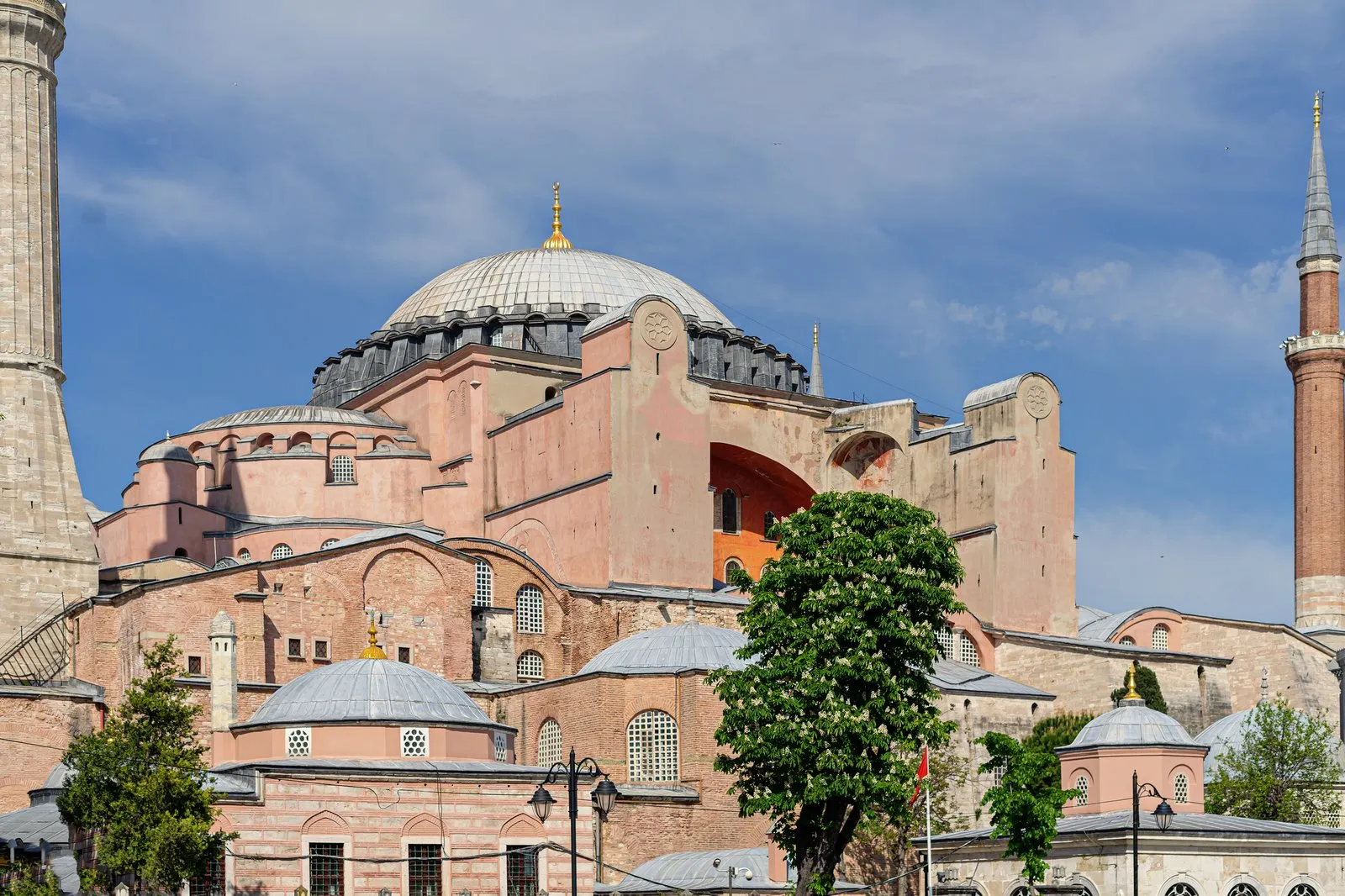
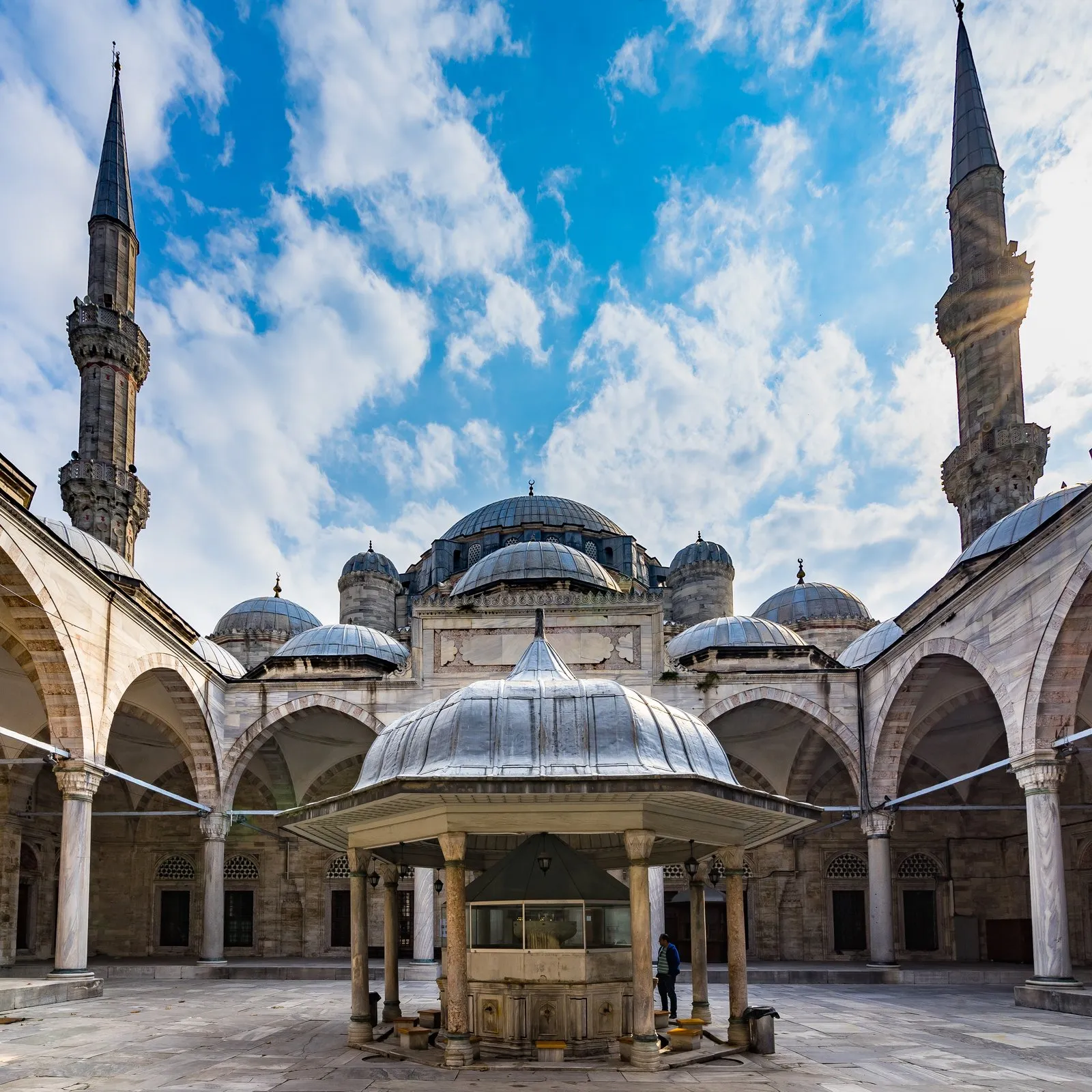
Many locals will tell you this is the greatest mosque in Istanbul: more beautiful, more serene, and less crowded than the Blue Mosque. Designed by the legendary architect Mimar Sinan for Sultan Süleyman the Magnificent and completed in 1558, it sits atop the Third Hill with panoramic views across the Golden Horn to the Galata Tower. It gets a fraction of the visitors that Hagia Sophia receives.
Entry is free. The complex includes a former madrasa that is now a library, a hammam, and the tombs of Süleyman and his wife Hürrem Sultan (Roxelana) in the garden behind the mosque. The tombs are free to visit too, but keep shorter hours, so go earlier in the day. On Fridays the mosque stays closed to visitors until about 14:30 (Istanbul.com).
Fatih Mosque Complex
The Fatih Mosque gives the district its name. Mehmed the Conqueror built it in the 1460s on the site of the Church of the Holy Apostles, the second most important church in Byzantine Constantinople after Hagia Sophia. It was the first great imperial mosque after the conquest. The current building mostly dates from an 18th-century rebuild after an earthquake, but it is still one of the largest and most important mosques in the city.
The courtyard and madrasa complex cover a large area. The tomb of Mehmed the Conqueror is here, and it is a major pilgrimage site for Turkish Muslims. This is a busy, active mosque: prayers are held five times a day and the faithful fill it each time. Visitors are welcome outside prayer times.
Balat and Fener
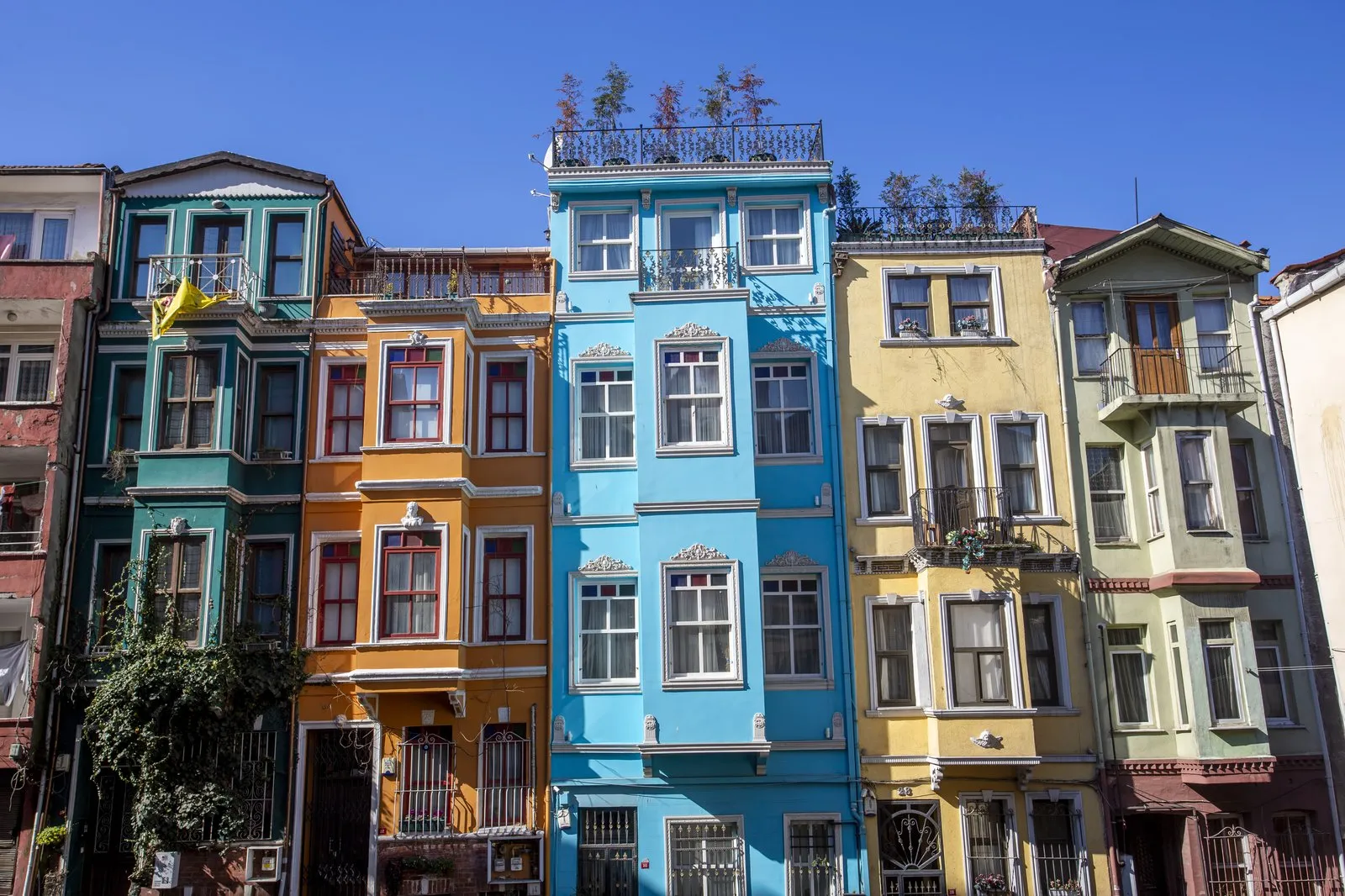
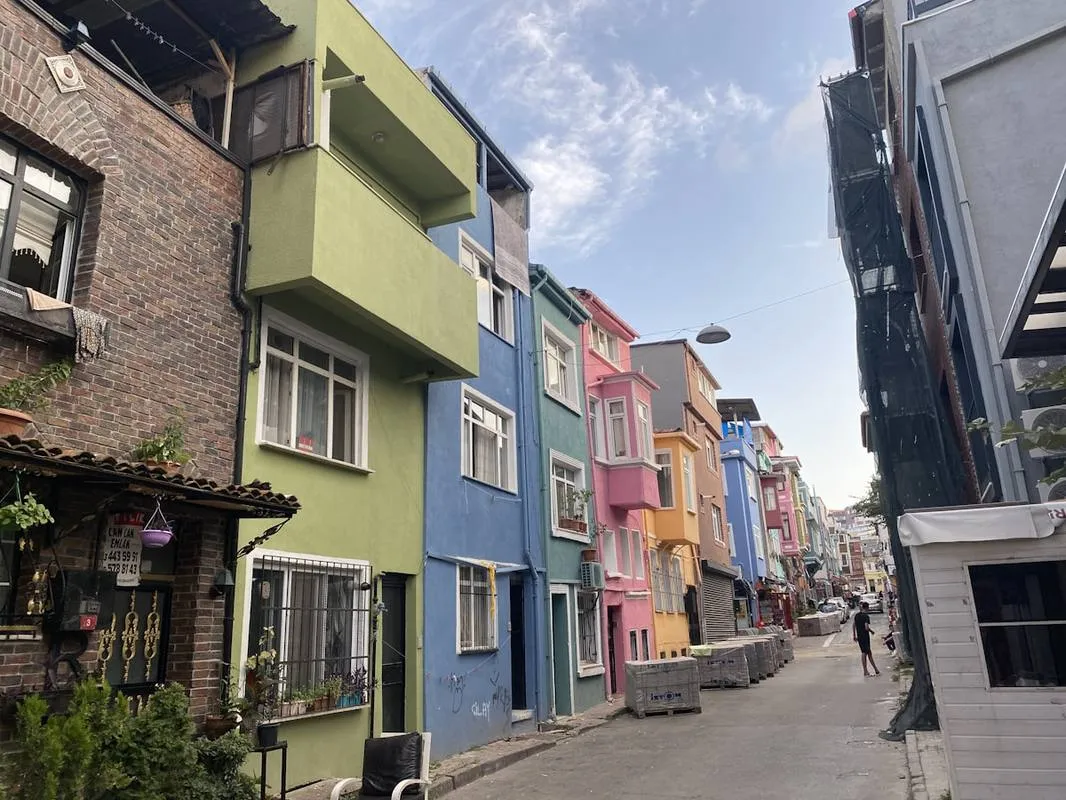
These neighboring waterfront communities are Istanbul’s most Instagrammable (and most historically layered) neighborhoods. Balat was the historic Jewish quarter under the Ottomans, while Fener housed the Greek Orthodox elite. Today, colorful wooden Ottoman houses line steep streets, rainbow staircases draw photographers, and a new generation of cafés and galleries has moved in alongside the original residents. For routes and photo spots, see our Balat and Fener guide.
Key sights in Balat and Fener:
- Merdivenli Yokuş Evleri: The famous steep street lined with colorful houses and stairways, one of Istanbul’s most photographed spots.
- Phanar Greek Orthodox College (Red Castle): The imposing red-brick school on the hilltop, designed by Greek architect Konstantinos Dimadis.
- Ecumenical Patriarchate of Constantinople: The spiritual center of Orthodox Christianity, with the Cathedral of St. George and a patriarchal throne dating to the 5th century.
- Bulgarian St. Stephen Church (Iron Church): An extraordinary church made entirely from prefabricated cast iron, shipped from Vienna in 1896.
- Church of Saint Mary of the Mongols: The only Byzantine church in Istanbul that was never converted into a mosque.
- Balat Toy Museum: A private museum with about 17,000 vintage toys, especially fun with children. Open daily; tickets are paid, so check the current price on the museum’s website.
Chora (Kariye Mosque)
Originally a Byzantine church, later a mosque, then a museum, and since 2024 a working mosque again. Its 14th-century mosaics and frescoes are considered among the finest surviving examples of Byzantine art anywhere in the world, and nearly all of them are still on view along the visitor route. It sits in Edirnekapı, near the old city walls.
Foreign visitors pay €20. It is closed to tourists all day on Fridays, entry stops 15 minutes before each prayer, and the Museum Pass is not accepted (Turkish Museums Portal).
Yavuz Selim Mosque
Perched on the Fifth Hill, this lesser-visited mosque offers stunning views over the Golden Horn and a peaceful garden. Named after Sultan Selim I, it’s surrounded by an atmospheric old cemetery.
Theodosian Walls and Yedikule
The land walls of Constantinople run for nearly seven kilometers from the Golden Horn to the Sea of Marmara. They date from the 5th century under Emperor Theodosius II and protected the city for over a thousand years. Much of the fortification survives in some form, which makes it one of the most remarkable pieces of ancient infrastructure still standing in any city. Walking along them is a haunting experience. You’re tracing the line where, in 1453, the medieval world ended.
Two sections are the easiest to visit and the most historically charged:
- Edirnekapı: The gate where Mehmed the Conqueror entered the city in 1453. Restored sections run nearby, and the Chora is a short walk away.
- Yedikule Fortress (Fortress of the Seven Towers): At the Marmara end, built around the Byzantine Golden Gate. The Fatih Municipality runs it, and restoration work continues while visitors walk around. Entry is ticketed, it is closed on Mondays, and the Museum Pass is not valid (Cab Istanbul). Check the current price at the gate.
Zeyrek and Vefa
These two neighborhoods between Atatürk Bulvarı and the Golden Horn are among the most historically intact parts of the old city. Zeyrek grew up around the Church of the Pantokrator, a 12th-century Byzantine church complex that is now the Molla Zeyrek Mosque and keeps important Byzantine features. The streets around it are full of old wooden houses in various states of repair, photogenic and atmospheric.
Vefa is famous for one thing: Vefa Bozacısı, a historic shop that has been selling boza (a thick, slightly sour fermented grain drink) since 1876. It is one of the oldest food businesses still running in Istanbul, and the interior keeps its original fittings. A glass is cheap, but check the current price. Boza is best in the colder months.
Zeyrek Çinili Hamam
A 16th-century bathhouse in Zeyrek designed by Mimar Sinan. After a long restoration it is a working hammam again, with a small exhibition space. It is a beautiful, high-end experience rather than a budget one: the entry ritual costs about €125, and it is closed on Mondays (Istanbul Authority). For other options, see our guide to Istanbul’s best hammams.
How to Visit Mosques in Fatih
All the major mosques in Fatih are free to visit outside prayer times, and the rules are the same everywhere:
- Remove your shoes before entering. Bags for shoes are usually provided.
- Women should cover their hair and shoulders. Scarves are available at the entrance of major mosques.
- Men should cover their knees. Shorts are generally not appropriate.
- Keep your voice low inside. Photos are usually fine, but don’t photograph people at prayer.
- Avoid the five prayer times (dawn, midday, afternoon, sunset and night). The times change daily and are posted at mosque entrances. Friday midday prayer closes most mosques to visitors for longer.
Want more quiet mosques? See our list of hidden mosques most tourists skip, and our Turkish culture and etiquette guide.
Best Restaurants and Cafés
Fatih is where you eat like a local: at workers’ restaurants, street carts, and family-run kitchens.
- Sefa Restaurant: A no-frills lokanta near the Grand Bazaar. Point and choose your meal from the display. Excellent Turkish home cooking at low prices.
- 79 Cafe Restaurant (Ordu Caddesi): A popular lokanta with locals: kuru fasulye (white bean stew), rice, and bread for a fraction of what you’d pay in Sultanahmet.
- Bean shops below Süleymaniye: Kuru fasulye with rice is the classic lunch here. Erzincanlı Ali Baba has served it since 1924.
- Balat’s cafés: New-wave coffee shops and brunch spots have opened along the colorful streets. Look for the ones on and near Vodina Caddesi.
- Şehzade Cağ Kebap (Sirkeci/Hocapaşa): Outstanding cağ kebab at local prices.
- Pandeli Restaurant (Spice Bazaar): A classic above the Spice Bazaar’s entrance, serving Ottoman-inspired dishes since 1901. Beautiful tiled interior.
- Street food around Eminönü: Simit vendors, corn carts, and the famous balık ekmek (fish sandwich) boats by Galata Bridge, about 150 to 250 TL per sandwich.
More ideas: eating in Sultanahmet beyond the tourist traps.
Shopping Spots
- Grand Bazaar (Kapalıçarşı): Over 4,000 shops in a maze of covered streets. Separate sections for gold, ceramics, leather, carpets, and lamps. Bargain hard. Open Monday to Saturday, about 9:00 to 19:00. Closed Sundays.
- Spice Bazaar (Mısır Çarşısı): Beautiful vaulted ceiling, intoxicating aromas. Buy saffron, Turkish delight, dried fruits, and teas, but compare prices before committing. Unlike the Grand Bazaar, it is open daily, including Sundays.
- Sahaflar Çarşısı (Book Bazaar): A hidden courtyard near the Grand Bazaar crammed with secondhand and rare books since the 16th century.
- Fatih Wednesday Market (Çarşamba Pazarı): A massive open-air market that sprawls through the streets every Wednesday. Fabrics, clothing, household goods, and produce at local prices. It is rarely visited by tourists.
- Balat antique and vintage shops: Small, eclectic shops along the neighborhood’s main streets sell everything from Ottoman brassware to vintage furniture.
For bargaining tips and more markets, read our Istanbul shopping guide and our list of local markets in Istanbul.
Getting There and Getting Around
- T1 Tram: Stops throughout Fatih: Sultanahmet, Çemberlitaş, Beyazıt (for the Grand Bazaar), Laleli and Aksaray. This is the spine of the district. A ride costs 46.20 TL with an Istanbulkart.
- T5 Tram (Eminönü to Alibeyköy): Runs along the Golden Horn waterfront through Fener and Balat.
- Buses: Many lines run along Atatürk Bulvarı and the main cross streets, which is handy for Zeyrek, Fatih Mosque and Edirnekapı.
- From the airport: The Havaist HVL-1 bus (formerly HVIST-12) runs from Istanbul Airport to Aksaray in about 90 minutes and costs about 470 TL. From there, take the T1 tram to your stop.
- Marmaray train: Stops at Sirkeci (eastern edge of Fatih) and Yenikapı, connecting to the Asian side in under 10 minutes. The Yedikule area is also close to the line.
- Walking: Often the best option. The streets are dense and the distances are manageable, though hilly. Budget about an hour to walk from Sultanahmet to Balat.
Where to Stay
Fatih outside Sultanahmet isn’t a top pick for first-time visitors: nightlife is scarce and the neighborhood is conservative. But for travelers seeking authenticity, Balat has charming guesthouses and small hotels. Compare areas in our where to stay in Istanbul guide.
| Budget | Option | Why |
|---|---|---|
| Budget | Balat Residence | Colorful neighborhood, excellent value |
| Mid-range | Boutique guesthouses in Balat/Fener | Historic houses converted to places to stay |
| Upscale | Stay in Sultanahmet or Karaköy | Better setup for high-end travelers |
Best Time to Visit
- Morning: Arrive at Süleymaniye Mosque before 10 AM for the best light and fewest visitors.
- Wednesday: The Fatih Wednesday Market is worth timing your visit around.
- Avoid Friday midday: Mosques close to visitors for Friday prayer, and the Chora is closed to tourists all day.
- Spring (April to May): Comfortable walking weather for the hilly streets of Balat and Fener.
- Autumn (September to October): Golden light, smaller crowds, and pleasant temperatures.
- Ramadan: Fatih is the most atmospheric neighborhood during Ramadan. Iftar meals, evening crowds, and mosque illuminations create a special energy. See our Ramadan in Istanbul guide.
Insider Tips
- Hire a local walking tour guide for Fener and Balat. The history here (Greek, Jewish, Armenian, Bulgarian) is dense and much richer with context. Compare options in our walking tours guide.
- The T5 tram along the Golden Horn stops right in Fener and Balat, making it easy to combine with a visit to Eminönü or the Spice Bazaar.
- Combine Chora and the walls: Edirnekapı is a short walk from the Chora, so see both in one morning.
- Soğukçeşme Street between Hagia Sophia and Topkapı Palace is a quiet, photogenic Ottoman-era lane that most visitors walk right past.
What to Avoid
- Assuming “conservative” means “unwelcoming.” Fatih residents are generally warm and hospitable. Dress modestly out of respect (cover shoulders and knees, especially near mosques) and you’ll be treated with genuine friendliness.
- The back streets of Fatih at night if you’re unfamiliar with the area. It’s not dangerous, but it’s poorly lit and can feel isolated. Walk the walls in daylight.
- Expecting nightlife or alcohol. Many restaurants in Fatih’s more conservative core don’t serve alcohol. If you want a beer, head to Balat’s cafés or cross to Beyoğlu.
- Rushing through Balat for Instagram photos only. These are real neighborhoods where people live. Be respectful of residents, ask before photographing people, and support local businesses.
Questions People Ask
Is Fatih the same as Sultanahmet?
No. Sultanahmet is one neighborhood inside Fatih. Fatih is the whole municipality on the historic peninsula, from the Golden Horn to the Sea of Marmara and out to the old city walls.
Is Fatih safe for tourists?
Yes. It is a busy residential district and people are friendly. Use normal city sense, dress modestly, and stick to main streets after dark.
Do I have to pay to enter mosques in Fatih?
No, the mosques are free outside prayer times, including Süleymaniye and its tombs. The exceptions are Hagia Sophia (€25 visitor route) and the Chora, or Kariye Mosque (€20).
What should I wear in Fatih?
Cover your shoulders and knees. Women should carry a scarf to cover their hair inside mosques. Comfortable shoes help on the steep streets.
How much time do I need for Fatih beyond Sultanahmet?
One full day covers Süleymaniye, Balat and Fener. Add a second half day for the Chora, the walls and Zeyrek.
Conclusion
Fatih is Istanbul’s deepest layer, the city beneath the city, where Byzantine walls meet Ottoman mosques, and colorful Jewish and Greek quarters sit alongside conservative Turkish neighborhoods. It rewards slow exploration, genuine curiosity, and a willingness to wander beyond the guidebook. If Sultanahmet shows you Istanbul’s greatest hits, the rest of Fatih shows you its soul. For the big monuments next door, read our Sultanahmet guide.
Prices checked November 2026. 1 USD is about 50 TL and 1 EUR is about 55 TL. Prices change often, so check before you go. Attraction fees set in euros (€) are more stable.

Written by Deniz
Deniz is a video producer living in Kağıthane who explores a new corner of Istanbul every week and writes the practical guides she wishes friends had before visiting.