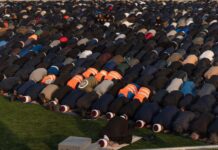
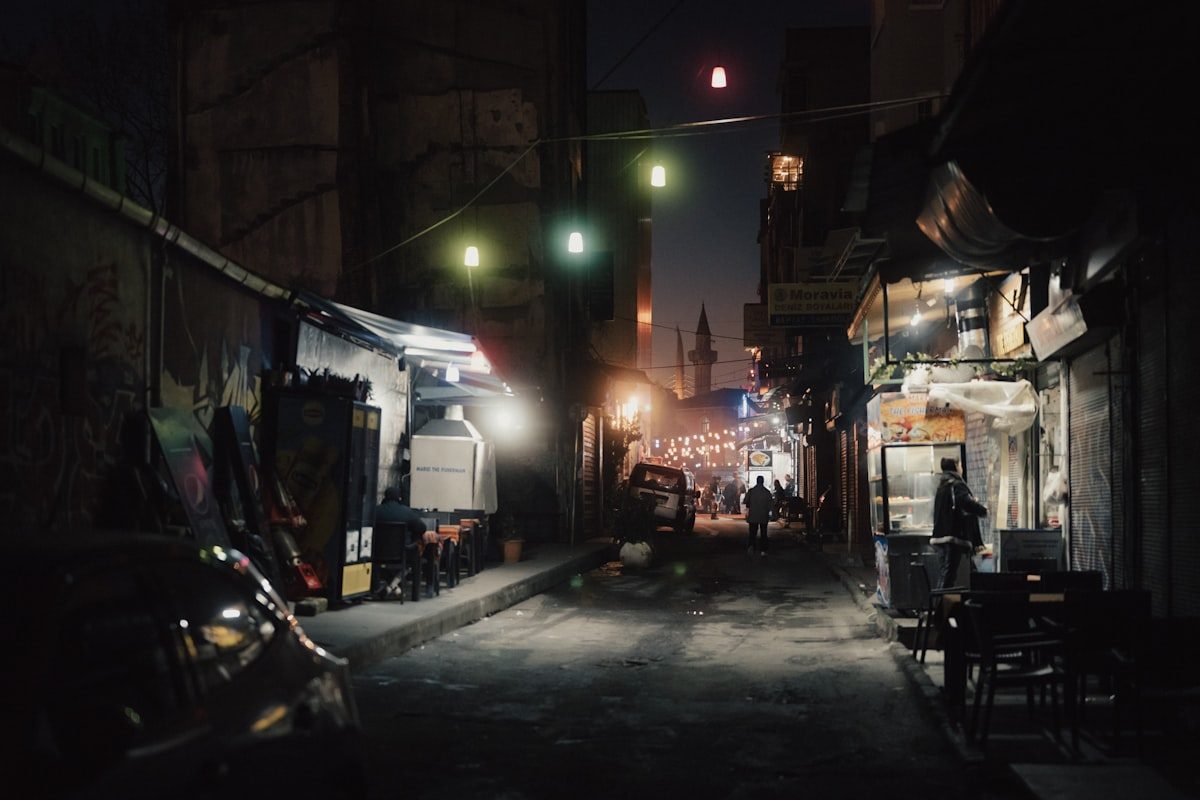
Ramadan in Istanbul is one of the most atmospheric experiences the city offers — and most tourists don’t even realize it. When the holy month falls during your visit (2026: about February 19 – March 18–19), the city transforms after sunset: strings of lights connect minarets, the smell of fresh pide bread fills the streets, families gather for iftar meals in mosques and restaurants, and drummers walk residential neighborhoods before dawn to wake the faithful for suhoor. It’s a deeply communal time, and visiting during Ramadan — with respect and curiosity — can be one of the most memorable travel experiences of your life.
What Is Ramadan?
Ramadan is the ninth month of the Islamic calendar, observed by Muslims worldwide as a month of fasting, prayer, reflection, and community. From dawn to sunset, observant Muslims abstain from eating, drinking, and smoking. The fast is broken each evening with iftar (the sunset meal) and begins again before dawn with suhoor.
2026 Ramadan Dates:
- Start: about February 19, 2026
- End: about March 18–19, 2026
- Eid al-Fitr (Şeker Bayramı): about March 20–22, 2026 (3-day holiday)
Note: Exact dates depend on the lunar calendar and moon sighting.
What Changes During Ramadan
Restaurants and Cafés
- Tourist restaurants and cafés remain open during the day in tourist areas. You won’t struggle to find food in Sultanahmet, Taksim, Karaköy, or Kadıköy.
- Some local restaurants (especially in conservative neighborhoods like Fatih) may close during daylight hours or operate on reduced schedules.
- After sunset (iftar time): Restaurants fill up fast. Many offer special Ramadan iftar menus. Book popular spots in advance.
- Alcohol: Available throughout Ramadan at bars and licensed restaurants. Turkey is a secular state, and Istanbul’s drinking culture doesn’t pause.
Tourist Attractions
- All major attractions remain open — Hagia Sophia, Topkapı Palace, the Grand Bazaar, Basilica Cistern, museums. Hours may be slightly adjusted.
- Mosques may have altered visitor hours during prayer times, which change during Ramadan. Be flexible.
General Atmosphere
- Mornings can feel quieter as fasting locals conserve energy.
- The hour before sunset becomes electric with anticipation — the city prepares for iftar.
- After iftar (typically around 6 PM in February/March), the city comes alive with a special energy.
- Late evenings are vibrant — families stroll, children play, special Ramadan entertainment appears.
How to Experience Ramadan as a Visitor
Attend a Community Iftar
Many mosques set up large community iftar tables where anyone — Muslim or not — is welcome to break the fast. The most atmospheric:
- Sultanahmet Square — Large public iftar events with free food distributed. Arrive early for seating.
- Eyüp Sultan Mosque — One of the holiest sites in Istanbul, with powerful community iftar gatherings.
- Süleymaniye Mosque — The courtyard hosts iftar meals with the Golden Horn as backdrop.
Etiquette: Sit respectfully, follow the lead of those around you, don’t photograph people eating without permission, and be grateful — this food is provided as a charitable act.
Eat Special Ramadan Foods
- Pide (Ramazan pidesi): A special fluffy, chewy bread baked only during Ramadan. Bakeries sell it hot from the oven before iftar — lines form in the late afternoon. Don’t leave Istanbul during Ramadan without trying it.
- Güllaç: A delicate milk-and-rosewater dessert with thin sheets of starch, pomegranate seeds, and crushed pistachios. A Ramadan-only treat.
- Dates (hurma): The traditional fast-breaking food. Sold at the Spice Bazaar and specialty shops.
- Soups: Lentil soup, tarhana soup, and yogurt soup are traditional iftar starters.
Watch the Iftar Cannon
In some years, a cannon fires at sunset to signal the breaking of the fast — a tradition dating back centuries. Check local media for whether the tradition is being observed in 2026.
Listen for the Ramadan Drummer (Davulcu)
In the pre-dawn hours, drummers walk through residential neighborhoods beating traditional drums to wake people for suhoor (the pre-dawn meal). If you’re a light sleeper, be aware this might wake you — but it’s a beautiful, centuries-old tradition.
Visit Illuminated Mosques
During Ramadan, Istanbul’s major mosques are decorated with lights strung between minarets, often spelling out messages or verses (called “mahya”). The Blue Mosque, Süleymaniye, and Fatih Mosque are especially striking. Walk through Sultanahmet and Fatih in the evening to see them.
Etiquette for Non-Muslim Visitors
- You don’t need to fast. Eating and drinking during the day is perfectly fine for tourists, especially in tourist areas.
- Be discreet in conservative areas. In neighborhoods like Fatih, avoid eating or drinking on the street during fasting hours out of respect. Step into a restaurant or café instead.
- Dress modestly for mosques — this applies year-round but is especially appreciated during Ramadan.
- Be patient. Some services may be slower than usual — fasting staff are working without food or water. Kindness costs nothing.
- Don’t apologize for eating. Turkish people understand that visitors have different practices. There’s no expectation that non-Muslims fast.
Eid al-Fitr (Şeker Bayramı): The Celebration
When Ramadan ends, Turkey celebrates Eid al-Fitr — called Şeker Bayramı (Sugar Festival) in Turkish. This is a 3-day national holiday:
- Sweets are exchanged and shared everywhere. Baklava, lokum (Turkish delight), and chocolates flow freely.
- Family gatherings are central. Many Turks travel to see family.
- Some businesses close for all 3 days. Tourist attractions generally remain open but may have adjusted hours.
- Domestic travel peaks — ferries, buses, and flights are crowded. Book transport in advance.
- Hotel prices may spike during the Eid holiday weekend. Book places to stay early.
Ramadan in Istanbul is a privilege to witness. The city’s skyline, already one of the world’s most beautiful, becomes even more extraordinary with illuminated minarets and the warm glow of community gathering. Come with respect, curiosity, and an empty stomach at sunset — you’ll be welcomed.
Have you experienced Ramadan in Istanbul? Share your memories below.
—
—
Useful links: Go Türkiye – Istanbul Tourism · Turkish Museums Portal
Prices last updated: March 2026. Exchange rate used: 1 USD ≈ 45 TL. Prices in Turkish lira can change frequently due to inflation. Attraction fees set in euros (€) are more stable. Always check official websites for the latest prices before your visit.