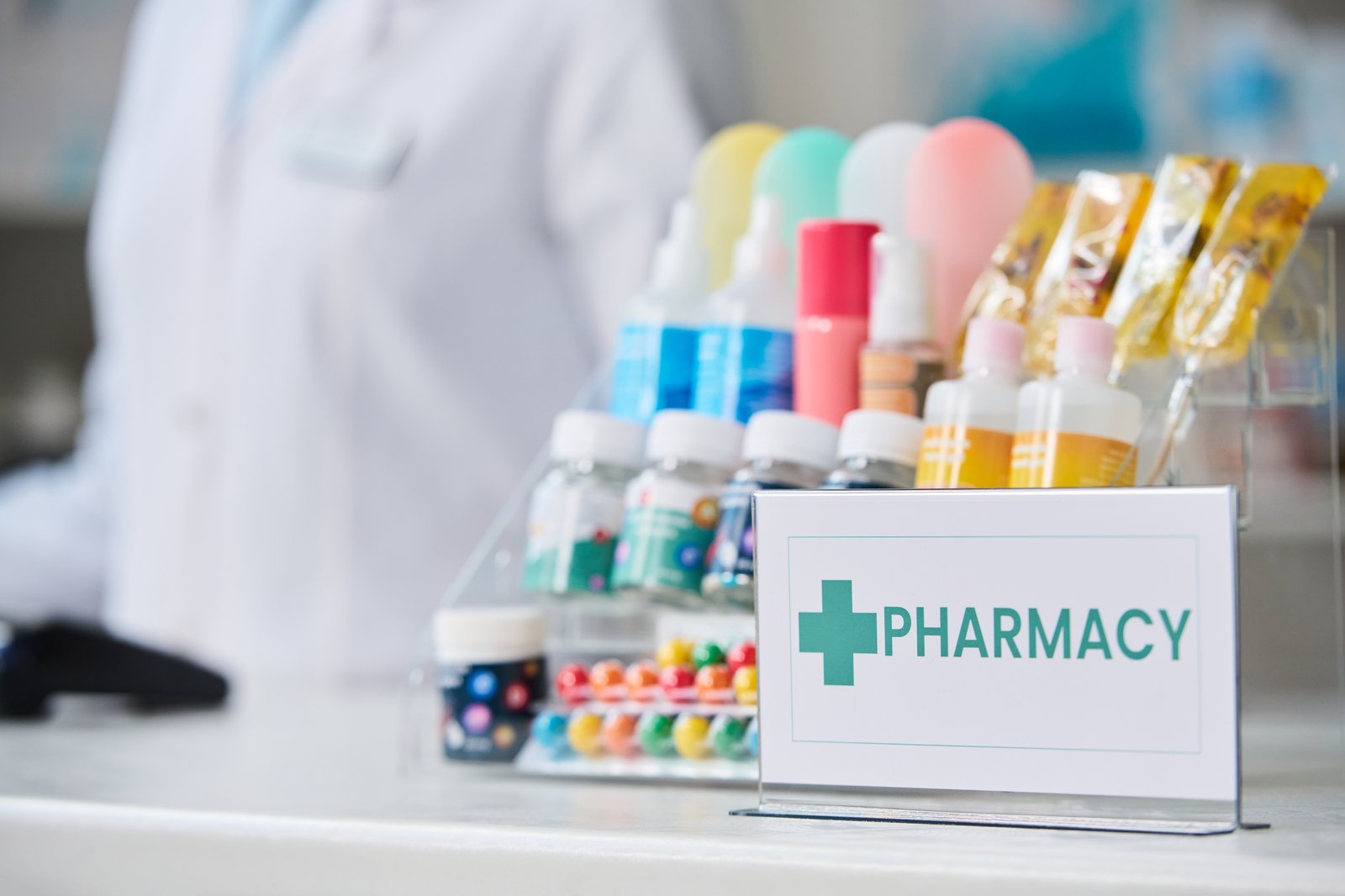
Finding a pharmacy in Istanbul is easy. Knowing what to ask for once you are inside is the harder part. Turkish pharmacies, called eczane, stock most common medications over the counter, and many drugs that require a prescription at home are available here without one. This guide covers the brand names you will actually see on the shelf, how the nöbetçi (on-duty) system works, and what to do when you need something specific.
What Eczane Means and How to Find One
Every pharmacy in Turkey displays a green cross sign. In central Istanbul districts like Beyoğlu, Kadıköy, Şişli, and Sultanahmet, you will rarely walk more than five minutes without passing one. Most pharmacies are open Monday to Saturday, roughly 09:00 to 19:00.
The important thing to know is the nöbetçi eczane system. Every district has at least one pharmacy open 24 hours on a rotating basis. The duty pharmacy is posted on the door of every closed pharmacy, and you can also find it at eczaneler.gov.tr, the official Turkish pharmacy locator. Search by district (ilçe) to find the current nöbetçi near you.
Common Cold and Flu Medications
If you have a cold or flu, ask for Aferin. It is the most widely used combination cold and flu product in Turkey, containing paracetamol and a decongestant. It comes in tablet and effervescent sachet form. Pharmacists dispense it freely without a prescription.
- Aferin: cold and flu (paracetamol + pseudoephedrine combination)
- Gripin: another common cold tablet (aspirin-based, avoid if you are sensitive to aspirin)
- Aspirin: widely available, exactly what you expect
- Nurofen: ibuprofen, standard 200 mg and 400 mg tablets, available without a prescription
- For sore throat: ask for boğaz spreyi (throat spray) or pastil (lozenges)
Pain Relief and Anti-Inflammatories
For muscle pain, back pain, or joint inflammation, Voltaren is the go-to. The gel form is sold over the counter and is the same product you know from home. Oral Voltaren (diclofenac) tablets are also available at most pharmacies without a prescription, which surprises many visitors from Western Europe and North America.
- Voltaren gel or tablets: diclofenac, for muscle and joint pain
- Naproxen: available under the Naprosyn or Apranax brand names, good for stronger inflammatory pain
- Parol: Turkish brand paracetamol, very widely used, cheap and effective
- Majezik: flurbiprofen, another NSAID option commonly stocked
💡 Pro Tip: Show the pharmacist the box of a medication you take at home if you have one. Or type the active ingredient name into Google Translate and show the Turkish result on your phone. Turkish pharmacists are generally very helpful and accustomed to tourists doing exactly this.
Stomach and Digestive Issues
Istanbul food is rich, the water is different from what many visitors are used to, and stomach upsets happen. The most important product to know is ORS, oral rehydration salts. Ask for it by that name or as elektrolit tozu (electrolyte powder). It comes in sachets, usually lemon or orange flavoured, and is sold over the counter.
- ORS / elektrolit tozu: rehydration salts for diarrhoea and vomiting
- Smecta: kaolin-based powder for stomach settling, widely available
- Buscopan: for stomach cramps and spasms, sold without prescription
- Enterogermina: probiotic ampoules to restore gut flora after a bad stomach episode
- For constipation: ask for kabızlık ilacı or lactulose syrup (Duphalac)
Allergy and Skin Medications
Spring in Istanbul is beautiful but brutal for allergy sufferers. Cetirizine (sold as Zyrtec or generic cetirizin) and loratadine (sold as Claritine) are both available without prescription. For skin reactions, hydrocortisone cream is sold under various brand names. Ask for kortizol krem or betametazon krem depending on what you need.
- Zyrtec / cetirizin: antihistamine, non-drowsy
- Claritine: loratadine, another non-drowsy antihistamine
- Fenistil: dimetindene gel, for insect bites and local skin reactions
- Bepanthen: panthenol cream, good for minor skin irritation and sunburn
💡 Pro Tip: In summer, pharmacies near tourist areas sell rehydration sachets and sunscreen in visible front-of-counter displays. You do not need to ask for these. Just look near the register.
What Requires a Prescription in Turkey
Antibiotics in Turkey require a prescription by law, though enforcement varies. Do not expect to walk in and buy amoxicillin over the counter. For stronger painkillers with opioid components, a prescription is required. If you need a prescription and you are not registered with a Turkish doctor, private clinics in Beyoğlu, Şişli, and Kadıköy can write one on the same day. A consultation at a private GP typically costs 500 to 1,500 TL depending on the clinic and district.
What to Do When You Cannot Find What You Need
If the pharmacy near you does not stock something, ask: “Başka eczanede var mı?” (Is it at another pharmacy?). They will often check their supplier system and tell you which nöbetçi or nearby branch has it. Turkish pharmacists operate a loose informal network and are generally willing to call around on your behalf.
For travellers who take regular prescription medications from home, bring a signed letter from your doctor listing the generic (active ingredient) name, dosage, and frequency. Turkish pharmacists can match most medications by active ingredient even if the brand name is different. This is particularly important for blood pressure medications, anticoagulants, and thyroid medications, which may have different Turkish brand names entirely.
Useful Turkish Pharmacy Phrases
Most pharmacists in central Istanbul districts speak basic English. But if you are in a quieter neighbourhood, these phrases help.
- Eczane nerede?: Where is the pharmacy?
- Nöbetçi eczane nerede?: Where is the duty pharmacy (open now)?
- Bunu arıyorum: I am looking for this (show your phone screen)
- Reçetesiz satılıyor mu?: Is this available without a prescription?
- Yan etkisi var mı?: Are there side effects?
If you are dealing with a more serious health situation, read our full guide on Istanbul safety and emergency contacts. For a broader overview of managing health issues as a visitor or expat, see our post on expat life in Istanbul. And if you need to know which hospitals are nearest and how the public versus private system works, our health and emergency guide covers all of that.
Turkish pharmacists are among the most accessible healthcare professionals in the country. When in doubt, just walk in and explain what you need. They will help you find it.