“Is Istanbul safe?” is the question I get asked more than any other. The honest answer: yes, Istanbul is very safe for tourists by global big-city standards. Millions of travelers visit every year and have wonderful, trouble-free experiences. You’re statistically safer here than in many major Western cities. But “safe” doesn’t mean “without risks” — and the risks in Istanbul are specific, predictable, and mostly avoidable with the right knowledge. This guide gives you the full picture: what’s genuinely safe, what requires caution, and what to actively avoid.
The Overall Safety Picture
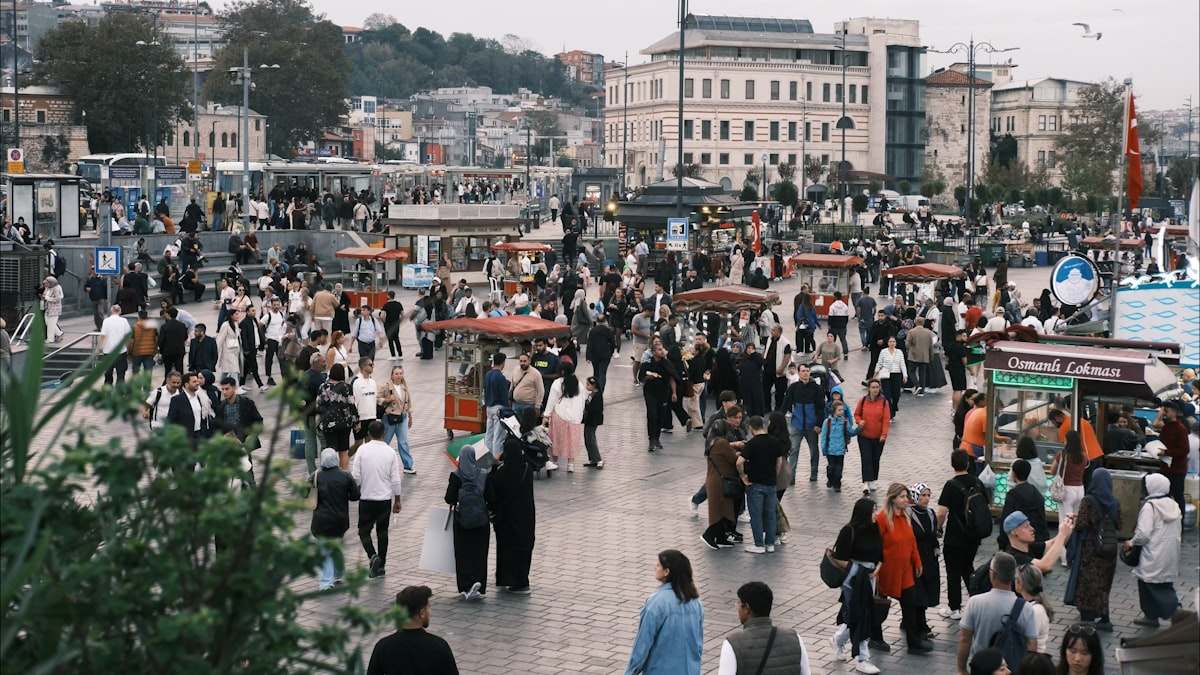
Istanbul is a city of 16 million people. It has the typical challenges of any global megacity — petty crime, traffic dangers, occasional protests — but it also has strong police presence in tourist areas, a culture of hospitality toward visitors, and a lot lower rates of violent crime than comparable cities like London, New York, or Paris.
What seasoned travelers say:
- “Istanbul is very safe by global standards for its size” — consistent consensus across Reddit’s r/istanbul and r/travel communities.
- “I felt safer in Istanbul than walking alone at night in New Zealand” — posted on r/AskTurkey.
- “Stay near crowds, you’ll be absolutely fine” — recurring advice from experienced visitors.
The nuance: Istanbul is safe, but it has a well-documented scam problem. The vast majority of negative experiences reported by tourists involve money — not physical safety. Knowing the scams is your best defense.
Scams: The Real Risk
These are the most common scams targeting tourists in Istanbul, compiled from hundreds of traveler reports:
1. Taxi Scams
The #1 complaint. Drivers may demand extra beyond the meter, take long routes, switch bills, or refuse to use the meter entirely. Defense: Use BiTaksi or Uber apps. Never get in a taxi without a running meter.
2. The Shoe Shine Brush Drop
A shoe shiner “accidentally” drops his brush near you. You kindly pick it up. He insists on shining your shoes as thanks, then demands an outrageous payment. Defense: If someone drops a brush near you, keep walking.
3. The Friendly Bar Invite
A stranger on İstiklal Street (often near Taksim) strikes up conversation, buys you a drink, then invites you to a nearby bar. The bill arrives: 5,000–10,000 TL. If you refuse to pay, intimidating staff appear. Defense: Never follow strangers to bars. If it feels too friendly too fast, walk away.
4. Restaurant Price Gouging
Restaurants near major tourist sites quote prices in euros or dollars without warning, or have no prices on the menu at all. Meals arrive with €50–100 bills. Defense: Rule of thumb: if there are no prices displayed at the entrance, do NOT enter.
5. Istanbulkart Machine “Helpers”
Someone at a transit machine offers to “help” you buy an Istanbulkart. They charge you $20–30 for a card that should cost 165 TL (~$4.50). Defense: Use the machines yourself — they have English-language options.
6. Fake Museum Tickets
People near Hagia Sophia and Topkapı aggressively offer “skip-the-line guided tickets” at inflated prices. Defense: Buy tickets online through official sites or at the venue’s ticket booth.
7. The “Money on the Floor” Trick
Someone points out money on the ground to distract you while an accomplice pickpockets you. Defense: Ignore random “helpful” strangers pointing at the ground.
Neighborhood Safety
| Area | Safety Level | Notes |
|---|---|---|
| Sultanahmet | Very safe | Heavy tourist police presence. Scam risk is financial, not physical. |
| Galata/Karaköy | Very safe | Well-lit, busy, popular. Safe at night. |
| İstiklal/Taksim | Safe (with awareness) | Crowded, pickpocket risk. Avoid following strangers. |
| Kadıköy/Moda | Very safe | Local neighborhood, safe at all hours. |
| Beşiktaş | Safe | Lively, local. Match days get rowdy but not dangerous. |
| Cihangir | Very safe | Quiet, residential, expat-friendly. |
| Balat/Fener | Safe (daytime) | Some areas quieter at night. Stick to main streets after dark. |
| Tarlabaşı | Caution | Despite gentrification, still has a reputation for petty crime. Avoid at night. |
| Dolapdere | Caution | Back streets best avoided after dark. |
| Fatih (conservative) | Safe but different | Very conservative. Respectful dress appreciated. Safe but can feel unwelcoming for some travelers. |
Solo Female Travel in Istanbul
Istanbul is generally safe for solo female travelers — this is the consistent message from women who’ve done it. But awareness and preparation matter more here than in some destinations.
Practical advice from female travelers:
- Dress modestly in conservative neighborhoods (Fatih, Üsküdar, mosque areas). Loose-fitting clothing works well in warm weather.
- Stick to busy, well-lit areas after dark — Taksim, Kadıköy, Beşiktaş, Galata.
- Use Uber/BiTaksi instead of hailing random taxis, and share ride details with someone.
- Learning basic Turkish phrases (“teşekkür ederim” — thank you, “hayır” — no) is surprisingly effective at reducing unwanted attention.
- Avoid revealing that you’re traveling alone to strangers.
- The Grand Bazaar: don’t follow vendors to “additional stock” rooms.
The reality: Most solo female travelers report positive experiences. “Spent weeks in Istanbul — not a single negative personal encounter” is a common sentiment on r/istanbul and r/femaletravels.
LGBTQ+ Safety
Turkey’s legal framework doesn’t criminalize homosexuality, but social attitudes — especially outside major cities — can be conservative. In Istanbul:
- Cihangir, Beyoğlu, and Kadıköy are the most LGBTQ+-friendly neighborhoods, with some openly gay-friendly bars and venues.
- Istanbul Pride was officially banned in 2015, and public demonstrations have been restricted. However, the community remains active and visible in certain neighborhoods.
- Public displays of affection may attract unwanted attention, regardless of orientation (this applies to all couples in conservative areas).
- Practical advice: Be aware of your surroundings, especially in conservative districts. Most LGBTQ+ travelers report positive experiences when exercising normal city-awareness.
Natural Disaster Risk
Earthquakes: Istanbul sits on the North Anatolian Fault. A major earthquake is anticipated by seismologists but unpredictable. Practical measures:
- Choose newer buildings for places to stay (post-2000 construction follows better earthquake codes).
- Know basic earthquake safety (drop, cover, hold on).
- Don’t let earthquake risk deter you — Istanbul has been standing for millennia and continues to function with robust emergency setup.
Emergency Numbers
- Police: 155
- Ambulance: 112
- Fire: 110
- Tourist Police: 0212 527 45 03 (Sultanahmet)
- City complaint line: 153 (for taxi complaints, municipal issues)
The Bottom Line
Istanbul is safe. It’s a city that genuinely welcomes visitors and has a deep culture of hospitality. The risks are financial (scams) rather than physical, and they’re entirely manageable with basic awareness. Don’t let fear-based headlines override the reality: millions of tourists visit Istanbul every year and leave with nothing but incredible memories.
Come with awareness, not anxiety. And if someone “accidentally” drops a shoe-shine brush in front of you, just smile and keep walking.
What was your experience with safety in Istanbul? Share below — honest perspectives help everyone.
—
—
Useful links: Go Türkiye – Istanbul Tourism · Turkish Museums Portal
Prices last updated: March 2026. Exchange rate used: 1 USD ≈ 45 TL. Prices in Turkish lira can change frequently due to inflation. Attraction fees set in euros (€) are more stable. Always check official websites for the latest prices before your visit.