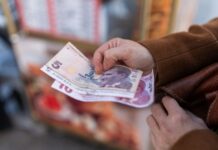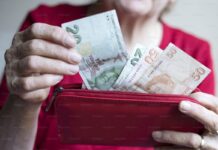
Istanbul has no shortage of currency exchange offices, but the rates vary dramatically from street to street. The tourist-facing booths near the Grand Bazaar and Sultanahmet offer some of the worst rates in the city. The best rates are a few streets away and cost you nothing extra except a short walk. Here is where to go, what to look for on the rate board, and how to avoid the traps that catch most first-time visitors.
Where the Best Exchange Rates Are
The best legal exchange rates in Istanbul are consistently found in the döviz (exchange office) clusters in a few specific areas:
- Grand Bazaar surrounding streets, not inside the bazaar. The offices on the Beyazit side streets around the bazaar perimeter often offer better rates than the interior booths catering to tourists.
- Eminönü and Sirkeci. Multiple competing offices near the Sirkeci train station and the ferry terminal docks. Competition between offices keeps rates honest.
- Taksim Square and Istiklal Caddesi. Dozens of exchange offices along Istiklal. Rates are competitive, especially if you walk more than 100 metres from the square itself where foot traffic thins.
- Karaköy and the Galata Bridge area. Particularly good for larger amounts, with several reputable offices close together.
In 2026, the reference rate is approximately 1 USD to 45 TL and 1 EUR to 52 TL. A good exchange office should be within 0.5 to 1 TL of these interbank rates. If you are being quoted 42 TL for a dollar, walk out and try the next office.
How to Read a Rate Board
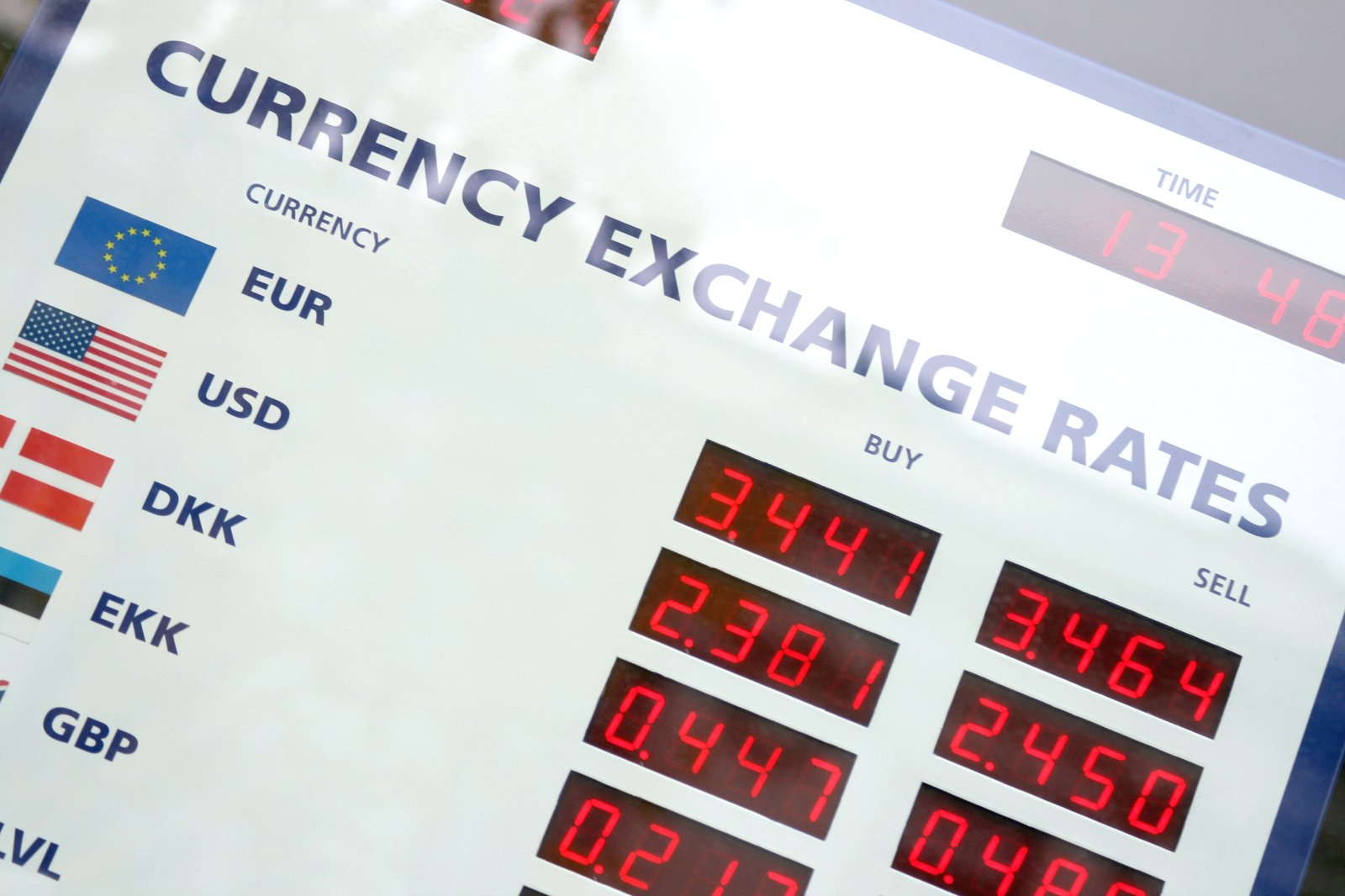
Exchange office boards show two numbers: ALIS (buy) and SATIS (sell). When you bring foreign currency to exchange into Turkish lira, you are selling your currency to the office, so you look at the ALIS column. When you want to buy foreign currency with your lira, look at SATIS.
The wider the spread between these two numbers, the more profit the office makes per transaction. A tight spread is a sign of a competitive, high-volume office. A huge spread means they are relying on uninformed customers who do not know to compare.
Always check the rate board before handing over any money. The rate should be displayed clearly without requiring you to ask. If it is not on the board, the reason is never good.
💡 Pro Tip: Never exchange money at the airport. Istanbul airport exchange offices charge some of the worst rates you will find anywhere in the city, sometimes 5 to 10 percent below the interbank rate. Get just enough cash to cover your taxi or airport bus, then exchange the rest once you are in the city.
Grand Bazaar: What to Watch Out For
The Grand Bazaar is one of the most famous places tourists associate with currency exchange in Istanbul. Many bazaar-area exchange booths operate on tourist foot traffic and do not need to be competitive because most visitors do not know the street rate.
If you do exchange in the bazaar area, compare at least two offices before committing. The extra five minutes saves real money on larger amounts. On €500, a 1 TL per euro difference is 500 TL, which is not a trivial sum. On €1,000 it is 1,000 TL.
Banks vs. Exchange Offices
Turkish bank branches can exchange currency, but most require you to have an account. Even for account holders, rates are often less competitive than the specialist döviz offices. Bank exchange is usually slower and involves more paperwork for a worse rate.
For visitors, the independent exchange offices are almost always the better option for speed, convenience, and the rate itself. Established operators in competitive locations are licensed and reliable. The Turkish banking regulator (BDDK) oversees licensed exchange offices.
Hotels: Convenient but Expensive
Hotel front desks usually offer currency exchange as a service to guests. The rates are consistently poor, sometimes 5 to 8 percent worse than a street exchange office a ten-minute walk away. Use this option only in emergencies, such as needing cash at midnight when offices are closed and ATMs are not close by.
💡 Pro Tip: Bring clean, undamaged notes from home. Turkish exchange offices reject torn, written-on, or heavily worn foreign currency. Older-design US dollar bills with the small portrait are sometimes refused as well. Newer notes exchange without issue at every office.
Using Your Card Instead of Exchanging Cash
Many visitors prefer to pay by card and minimise cash exchange altogether. This works well in restaurants, hotels, and larger shops. Markets, street food stalls, some smaller restaurants, and local transport require cash, so you will need some lira regardless.
Cards with no foreign transaction fee give you close to the interbank rate with no markup. Popular options include Wise, Revolut, Starling (UK), and Charles Schwab debit (US). These are worth setting up before your trip if you do not already have one. Standard UK or European debit and credit cards typically charge 1.5 to 3 percent on each foreign transaction.
Always pay in Turkish lira when a terminal gives you the choice. Dynamic currency conversion, where the machine offers to charge you in your home currency, always uses an unfavourable exchange rate. Decline it every time.
How Much Cash to Carry
A practical daily cash budget in Istanbul depends heavily on your travel style:
- Budget traveller (street food, public transport, local cafes): 200 to 400 TL per day
- Mid-range (restaurant meals, some activities, occasional taxi): 600 to 1,200 TL per day
- Higher-end (nicer restaurants, private transfers, major entrance fees): 2,000 TL or more per day
Entrance fees at major sites are increasingly card-friendly. Hagia Sophia (€25 entry), Topkapi Palace (2,750 TL combined ticket), and the Basilica Cistern (1,950 TL daytime) all accept cards at the entrance. But smaller sites, ferry tickets bought at the dock, and street food are still largely cash transactions.
For the full picture of managing money in Istanbul, see our money in Istanbul guide. For real-time exchange rate information, the Central Bank of the Republic of Turkey (TCMB) publishes official daily exchange rates you can use as a benchmark.