Best Currency Exchange Spots in Istanbul: Where to Avoid Bad Rates

In this guide
Istanbul has no shortage of currency exchange offices, but the rates vary dramatically from street to street. The tourist-facing booths near the Grand Bazaar and Sultanahmet offer some of the worst rates in the city. The best rates are a few streets away and cost you nothing extra except a short walk. Here is where to go, what to look for on the rate board, and how to avoid the traps that catch most first-time visitors.
Where the Best Exchange Rates Are
The best legal exchange rates in Istanbul are consistently found in the döviz (exchange office) clusters in a few specific areas:
- Grand Bazaar surrounding streets, not inside the bazaar. The offices on the Beyazit side streets around the bazaar perimeter often offer better rates than the interior booths catering to tourists.
- Eminönü and Sirkeci. Multiple competing offices near the Sirkeci train station and the ferry terminal docks. Competition between offices keeps rates honest.
- Taksim Square and Istiklal Caddesi. Dozens of exchange offices along Istiklal. Rates are competitive, especially if you walk more than 100 metres from the square itself where foot traffic thins.
- Karaköy and the Galata Bridge area. Particularly good for larger amounts, with several reputable offices close together.
In November 2026, the reference rate is about 1 USD to 50 TL and 1 EUR to 55 TL. A good exchange office should be within 0.5 to 1 TL of these interbank rates. If you are being quoted 47 TL for a dollar, walk out and try the next office.
How to Read a Rate Board
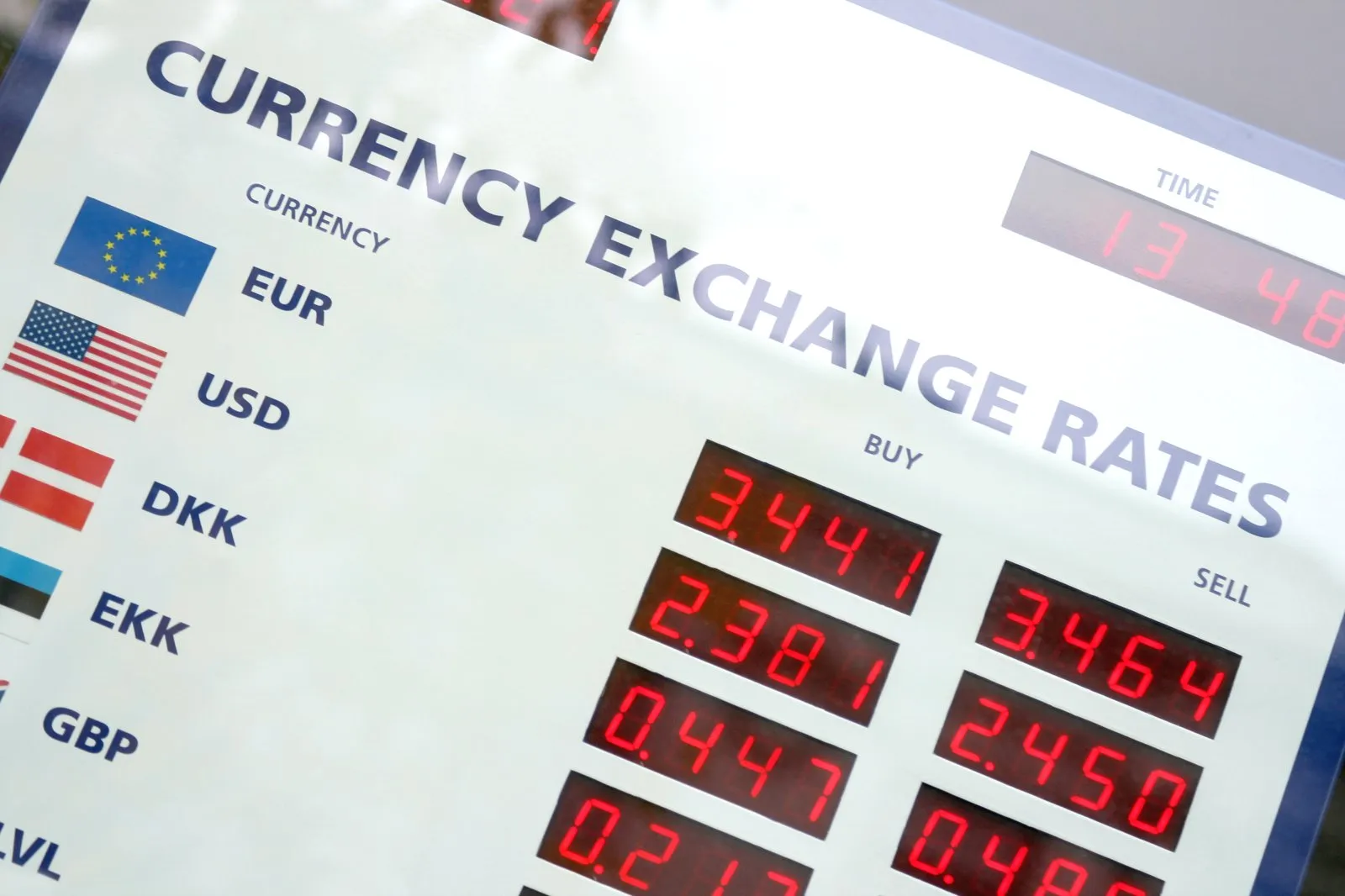
Exchange office boards show two numbers: ALIS (buy) and SATIS (sell). When you bring foreign currency to exchange into Turkish lira, you are selling your currency to the office, so you look at the ALIS column. When you want to buy foreign currency with your lira, look at SATIS.
The wider the spread between these two numbers, the more profit the office makes per transaction. A tight spread is a sign of a competitive, high-volume office. A huge spread means they are relying on uninformed customers who do not know to compare.
Always check the rate board before handing over any money. The rate should be displayed clearly without requiring you to ask. If it is not on the board, the reason is never good.
Grand Bazaar: What to Watch Out For
The Grand Bazaar is one of the most famous places tourists associate with currency exchange in Istanbul. Many bazaar-area exchange booths operate on tourist foot traffic and do not need to be competitive because most visitors do not know the street rate.
If you do exchange in the bazaar area, compare at least two offices before committing. The extra five minutes saves real money on larger amounts. On €500, a 1 TL per euro difference is 500 TL, which is not a trivial sum. On €1,000 it is 1,000 TL.
Banks vs. Exchange Offices
Turkish bank branches can exchange currency, but most require you to have an account. Even for account holders, rates are often less competitive than the specialist döviz offices. Bank exchange is usually slower and involves more paperwork for a worse rate.
For visitors, the independent exchange offices are almost always the better option for speed, convenience, and the rate itself. Established operators in competitive locations are licensed and reliable. The Turkish banking regulator (BDDK) oversees licensed exchange offices.
Hotels: Convenient but Expensive
Hotel front desks usually offer currency exchange as a service to guests. The rates are consistently poor, sometimes 5 to 8 percent worse than a street exchange office a ten-minute walk away. Use this option only in emergencies, such as needing cash at midnight when offices are closed and ATMs are not close by.
Using Your Card Instead of Exchanging Cash
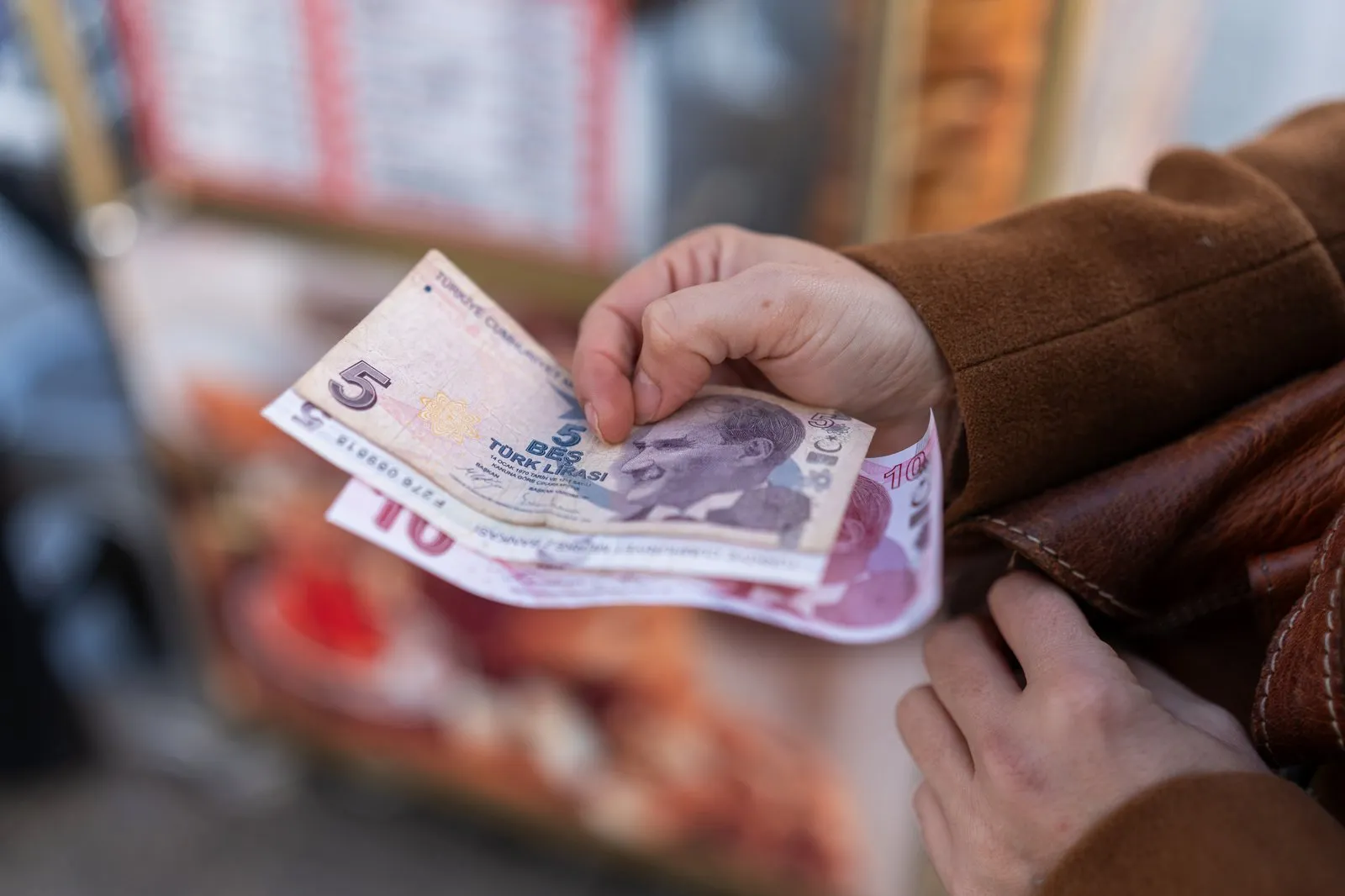
Many visitors prefer to pay by card and minimise cash exchange altogether. This works well in restaurants, hotels, and larger shops. Markets, street food stalls, some smaller restaurants, and local transport require cash, so you will need some lira regardless.
Cards with no foreign transaction fee give you close to the interbank rate with no markup. Popular options include Wise, Revolut, Starling (UK), and Charles Schwab debit (US). These are worth setting up before your trip if you do not already have one. Standard UK or European debit and credit cards typically charge 1.5 to 3 percent on each foreign transaction.
Always pay in Turkish lira when a terminal gives you the choice. Dynamic currency conversion, where the machine offers to charge you in your home currency, always uses an unfavourable exchange rate. Decline it every time.
How Much Cash to Carry
A practical daily cash budget in Istanbul depends heavily on your travel style:
- Budget traveller (street food, public transport, local cafes): about 500 to 1,000 TL per day
- Mid-range (restaurant meals, some activities, occasional taxi): about 1,500 to 3,000 TL per day
- Higher-end (nicer restaurants, private transfers, major entrance fees): 4,000 TL or more per day
Entrance fees at major sites are increasingly card-friendly. Hagia Sophia (€25 entry), Topkapi Palace (2,750 TL combined ticket, closed Tuesdays), and the Basilica Cistern (about 2,000 TL or more for foreign visitors, more for evening sessions) all accept cards at the entrance. But smaller sites, ferry tickets bought at the dock, and street food are still largely cash transactions.
Prices checked November 2026. 1 USD is about 50 TL and 1 EUR is about 55 TL. Prices change often, so check before you go.
For the full picture of managing money in Istanbul, see our money in Istanbul guide. For real-time exchange rate information, the Central Bank of the Republic of Turkey (TCMB) publishes official daily exchange rates you can use as a benchmark.

Written by Deniz
Deniz is a video producer living in Kağıthane who explores a new corner of Istanbul every week and writes the practical guides she wishes friends had before visiting.