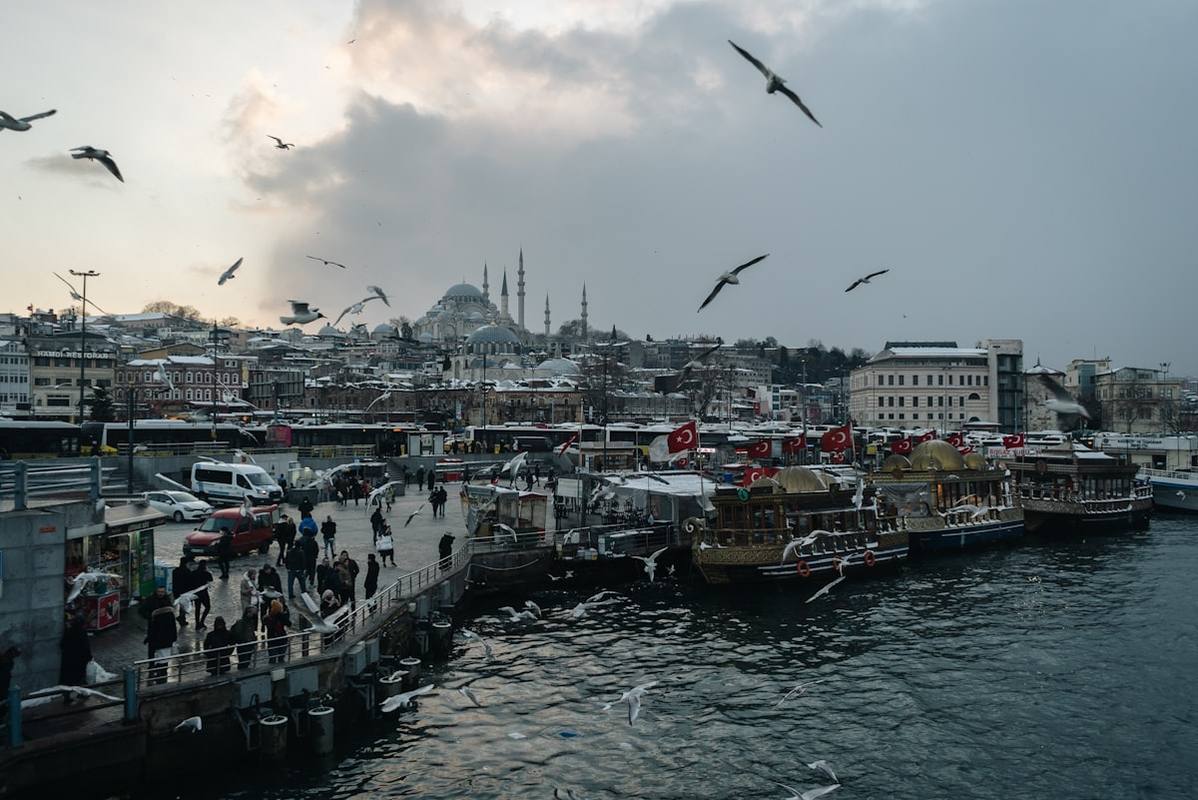
Picture this: you’re standing inside Hagia Sophia completely alone except for a handful of visitors, the December light filtering through the ancient windows, steam rising from a glass of çay in your hand. Outside, the call to prayer echoes over empty cobblestones dusted with a rare Istanbul snowfall. Winter Istanbul isn’t the postcard version — it’s the intimate, atmospheric, deeply authentic version. This is the city stripped of tourist crowds, offered at bargain prices, and wrapped in the kind of moody beauty that makes you reach for your camera every five minutes.
⚠️ Restoration note (2026): Hagia Sophia is undergoing a multi-year structural restoration. Significant interior areas may be covered with scaffolding during your visit. The site remains open and the entrance fee is unchanged.
Winter Weather: Honest Expectations
December: Average highs 10°C (50°F), lows 5°C (41°F). Frequent overcast skies and rain. Occasional snow, though it doesn’t always stick. Short days (sunset around 5 PM).
January: Average highs 9°C (48°F), lows 3°C (37°F). The coldest month. Cold winds off the Bosphorus bite. Rain and occasional snow. Around 2.5 hours of sunshine per day on average.
February: Average highs 10°C (50°F), lows 3°C (39°F). Marginally warmer, still grey. The tail end of winter, with occasional beautiful clear days that hint at spring.
What to Pack: A proper winter coat. Scarf, gloves, and a hat for Bosphorus breezes. Waterproof shoes (cobblestones + rain = slippery). Layers for heated interiors vs. cold exteriors. An umbrella.
Why Winter Is Worth It
No queues. Anywhere. This alone changes the Istanbul experience dramatically. Topkapı Palace, which has 30-minute queues in summer? Walk right in. Hagia Sophia’s tourist section? Immediate entry. The Grand Bazaar without the crush of bodies? Actually enjoyable.
Prices drop a lot. Hotels are 30–50% cheaper than peak season. Flights from European cities are at their lowest. You can stay in a boutique hotel in Sultanahmet that costs €150/night in summer for €60–80 in January.
The atmosphere is unique. Istanbul was built by people who experienced harsh winters, and the city has a vocabulary for cold-weather comfort: çay (tea) in tulip glasses, sahlep (a warm orchid-root drink), börek fresh from the oven, and the warm marble of a hammam. Winter reveals the cozy side of Istanbul — less spectacle, more soul.
Best Things to Do in Winter
Museums and indoor sights shine in winter. Without the pressure to be outdoors, you can give Turkey’s incredible museums the time they deserve:
- Istanbul Archaeology Museums (€15)
- Istanbul Modern (relocated to its stunning new building in Karaköy)
- Pera Museum (300 TL)
- Sakıp Sabancı Museum in Emirgan
- Rahmi M. Koç Museum (transport and industry museum, great for families)
Hammam season. There is no better time for a Turkish bath than winter. The hot marble, the steam, the warm water — it’s transformative after a cold day of sightseeing. Splurge on Ayasofya Hürrem Sultan Hamamı for the historic setting (around $100 for a full package), or go local at Kılıç Ali Paşa Hamamı or Çinili Hamamı in Üsküdar.
Tea and coffee culture. Winter is when Istanbul’s café culture peaks. Settle into a window seat at a Cihangir café, order a Turkish coffee or sahlep, and watch the rain streak the glass while cats curl up on the radiator beside you. Mandabatmaz, Fazıl Bey (Kadıköy), and Kronotrop are all excellent choices.
Grand Bazaar and Spice Bazaar. The covered markets are year-round attractions, but in winter they serve a dual purpose — shopping and warmth. The Grand Bazaar’s heated, covered streets are a welcome refuge.
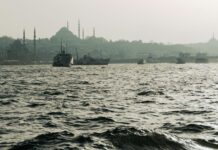
Bosphorus ferry rides. The ferries run year-round, and winter crossings have their own beauty — misty mornings, the skyline emerging from fog, the warm tea service onboard. The enclosed lower decks are heated.
Winter Food and Drink
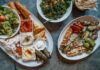
Winter is comfort food season in Istanbul:
- Sahlep: A creamy, cinnamon-dusted hot drink made from orchid root. Sold by street vendors and in cafés. A winter-only treat.
- Kestane (chestnuts): Roasted over charcoal on street corners throughout the city.
- Kelle paça çorbası: Sheep’s head soup — not for the faint-hearted, but a classic cold-weather dish served at late-night lokantaları.
- Börek: The flaky, layered pastry filled with cheese, spinach, or meat is available year-round but tastes best on a cold day with a glass of ayran.
- Tantuni and kokoreç: Warming street foods. A kokoreç (grilled lamb intestines in bread) from Karaköy’s Mangal Kokoreç on a January evening is life-changing.
New Year’s Eve in Istanbul
Istanbul celebrates New Year’s Eve (Yılbaşı) as a secular cultural event. Options range from affordable to extravagant:
- Budget: Walk İstiklal Caddesi, which fills with people at midnight. Street celebrations are lively, though fireworks are not officially organized and have been inconsistent in recent years.
- Mid-range: Book a dinner at a restaurant with a view — restaurants in Karaköy, Galata, and rooftops in Beyoğlu offer special menus from about €100–200 per person.
- Luxury: Bosphorus dinner cruises, Çırağan Palace gala (€400+), Four Seasons (similarly lavish).
- Jazz: Nardis Jazz Club in Galata hosts intimate, atmospheric New Year’s events (around 3,000 TL).
💡 Pro Tip: Don’t count on a major fireworks display over the Bosphorus. The official display has been inconsistent in recent years. Plan your evening around dinner and atmosphere rather than expecting a midnight spectacle.
Practical Winter Tips
- Daylight is limited. With sunset at 5 PM, plan outdoor sightseeing for 9 AM – 4 PM. Use evenings for indoor restaurants, hammams, and bazaars.
- Heating varies. Older buildings and budget hotels may have uneven heating. Check reviews before booking.
- Snow is rare but magical. Istanbul gets snow a few times each winter, usually light dustings that melt quickly. When it does snow — the Blue Mosque and Bosphorus in white are extraordinary.
- Ferries may be canceled. Strong Bosphorus currents and fog occasionally disrupt ferry service in January–February. Check İDO or Şehir Hatları schedules the morning of your planned crossing.
Winter Istanbul isn’t for everyone — if you need blue skies and warm terraces, come in May. But if you love atmospheric cities, empty museums, and the honest face of a place without its tourist makeup on, December through February is when Istanbul will steal your heart the way it stole mine.
What do you think — would you visit Istanbul in winter? Tell me in the comments.
—
—
Useful links: International Society of Aesthetic Plastic Surgery · Turkey Ministry of Health
Prices last updated: March 2026. Exchange rate used: 1 USD ≈ 45 TL. Prices in Turkish lira can change frequently due to inflation. Attraction fees set in euros (€) are more stable. Always check official websites for the latest prices before your visit.