Here’s a conversation I’ve heard a hundred times in Istanbul: a traveler at a Sultanahmet café says, “We’re spending five days here — should we bother crossing to the Asian side?” And every local within earshot gives the same answer: “Are you kidding? That’s the best part.” Istanbul is the only major city in the world that spans two continents, and the Bosphorus strait that divides them isn’t just a geographic feature — it’s a personality test. The European side is where empires built monuments and where modern Istanbul buzzes with tourism, nightlife, and commerce. The Asian side is where Istanbulites actually live, eat, and relax. The question isn’t really “which side is better?” It’s “what kind of Istanbul experience do you want?”
This guide breaks down the Asian side vs. European side debate with honest comparisons across sightseeing, food, nightlife, places to stay, and practical logistics — so you can decide how to split your time.
The Quick Answer
Visit both. Even if you only have three days, dedicate at least a half-day to the Asian side. The ferry ride itself is worth the crossing. But if you’re forced to prioritize:
- First-time visitors with 3–4 days: Spend most of your time on the European side (Sultanahmet + Beyoğlu), with a half-day in Kadıköy.
- Returning visitors or travelers with 5+ days: Split your time more evenly. The Asian side rewards longer exploration.
- Long-term visitors and digital nomads: Seriously consider basing yourself on the Asian side — it’s cheaper, calmer, and more livable.
The Comparison: Side by Side
| Category | European Side | Asian Side |
|---|---|---|
| Sightseeing | World-class. Hagia Sophia, Blue Mosque, Topkapı Palace, Grand Bazaar, Galata Tower | Less monumental. Maiden’s Tower, Çamlıca Hill, Beylerbeyi Palace, Kuzguncuk village |
| Food | Excellent but tourist-heavy in Sultanahmet. Great in Beyoğlu and Karaköy. Higher prices near sights | Outstanding and affordable. Kadıköy food market, Çiya, street food, third-wave coffee. Lower prices |
| Nightlife | Istanbul’s nightlife capital. Taksim, İstiklal, Nevizade, Beşiktaş, Karaköy | Growing scene. Kadıköy’s Kadife Sokak, Moda bars, Viktor Levi. Less touristy, more local |
| Shopping | Grand Bazaar, Spice Market, İstiklal Street brands | Kadıköy market, Tuesday Bazaar, Moda boutiques. Local and authentic |
| places to stay | Wide range, from hostels to luxury hotels. Higher prices near sights | More affordable. Great value Airbnbs and boutique hotels. Best for long stays |
| Crowds | Dense, especially Sultanahmet and İstiklal | a lot fewer tourists. More breathing room |
| Transport | Metro, tram, funicular, bus — extensive network | Metro, bus, Marmaray. Ferry connections to European side are fast and frequent |
| Character | Cosmopolitan, fast-paced, historic, touristy | Local, relaxed, residential, authentic |
| Vibe | Paradoxically more “Middle Eastern” in feel, especially in Fatih | Paradoxically more “European” in lifestyle — younger generations, café culture, progressive |
Sightseeing: European Side Wins (By a Lot)
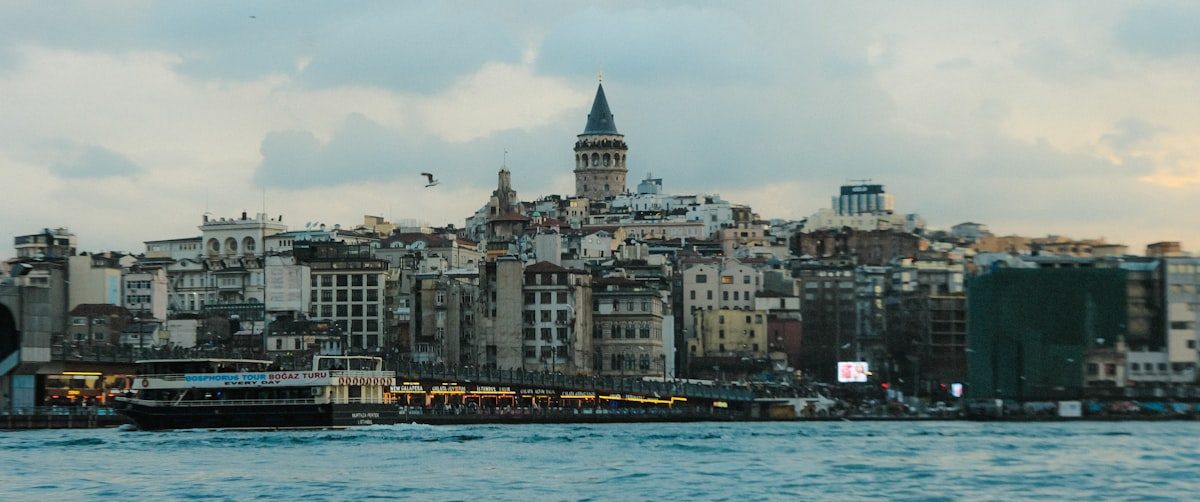
Let’s be honest: almost all of Istanbul’s UNESCO-listed, bucket-list sights are on the European side. Hagia Sophia, the Blue Mosque, Topkapı Palace, the Basilica Cistern, the Grand Bazaar, Dolmabahçe Palace, Galata Tower — they’re all on the European shore. If you’ve come to Istanbul for historic sightseeing, you’ll spend most of your time here.
⚠️ Restoration note (2026): Hagia Sophia is undergoing a multi-year structural restoration. Significant interior areas may be covered with scaffolding during your visit. The site remains open and the entrance fee is unchanged.
The Asian side has gems — the Maiden’s Tower, the views from Çamlıca Hill, the elegant Beylerbeyi Palace, the charming streets of Kuzguncuk — but they’re smaller in scale and fewer in number.
The verdict: For sightseeing, the European side dominates. But “sightseeing” is only one way to experience a city.
Food: Asian Side Has the Edge
This is where the script flips. Kadıköy’s food market, the legendary Çiya restaurant, the explosion of specialty coffee roasters, and the street food scene on the Asian side are consistently rated higher by locals and food-focused travelers.
The European side has outstanding food too — Karaköy, Beyoğlu, and Beşiktaş all have fantastic restaurants — but prices near tourist zones like Sultanahmet are inflated, and the risk of landing in a tourist trap is real.
On the Asian side, you’re eating where locals eat, at local prices. The quality-to-price ratio is unbeatable.
The verdict: For food, the Asian side wins on value, authenticity, and consistency.
Nightlife: European Side Dominates
Istanbul’s nightlife is overwhelmingly concentrated on the European side. Taksim and İstiklal are the party epicenter. Beşiktaş is the local favorite for bars. Karaköy has the trendy cocktail scene. The Bosphorus-side clubs (Sortie, Ruby, Ulus 29) attract the glamorous crowd.
Kadıköy’s Kadife Sokak is a strong alternative — more indie, more local, a lot cheaper — but it’s a smaller scene.
The verdict: For nightlife, the European side wins. For a more local, less polished night out, Kadıköy holds its own.
places to stay: Depends on Your Style
The European side offers the widest range — from Sultanahmet’s cave-like hostels to Pera Palace’s Agatha Christie luxury. For short tourist stays, it’s the obvious choice.
For longer stays — a week, a month, or more — the Asian side offers dramatically better value. Monthly Airbnb rentals in Kadıköy or Moda cost 30–40% less than equivalent spots in Beyoğlu, and you’ll be in a genuine neighborhood rather than a tourist zone.
The verdict: Short stays → European side. Long stays → Asian side.
Transport: Getting Between the Two Sides
Crossing the Bosphorus is easy, cheap, and — by ferry — genuinely beautiful.
Your Options:
- Ferry: Eminönü → Kadıköy (20 min), Beşiktaş → Üsküdar (10 min), Kabataş → Kadıköy (25 min). Costs a standard Istanbulkart fare (~27 TL). This is the highlight of Istanbul’s transport network.
- Marmaray train: Undersea rail tunnel connecting Sirkeci (European) to Ayrılıkçeşmesi/Üsküdar (Asian) in under 10 minutes. Fast and efficient.
- Metrobüs: Dedicated bus lanes crossing the Bosphorus bridges. Fast but crowded during rush hour.
- Taxi/Uber: Crossing via the bridge takes 15–45 minutes depending on traffic. Can be expensive.
>
💡 Pro Tip: You cannot walk or cycle across the Bosphorus bridges. The ferry is the only scenic option and is faster than road crossings during traffic.
The Local Perspective
Here’s what Redditors and Istanbul residents consistently say:
- “If you’re a tourist, almost all must-see spots are on the European side. But if you’re a local, the quality of life is a lot better on the Asian side.”
- “It’s funny — the Asian side has a bigger European vibe, and the European side has a bigger Middle Eastern vibe.”
- “Kadıköy has better food, cheaper places to stay, and a more authentic feel.”
- “Do NOT skip the Asian side. Even a half-day in Kadıköy is worth it.”
Two-thirds of Istanbul’s population lives on the European side, but many Istanbulites who can choose will tell you the Asian side offers a better daily life — quieter, greener, less congested, with the easy escape of a ferry ride when you want the European side’s energy.
How to Split Your Time
3 Days in Istanbul:
- Day 1–2: European side (Sultanahmet, Beyoğlu/Galata)
- Day 3: Half-day Kadıköy + return via Üsküdar waterfront
5 Days in Istanbul:
- Day 1–3: European side (Sultanahmet, Fatih, Beyoğlu, Beşiktaş)
- Day 4: Kadıköy + Üsküdar (full day)
- Day 5: Princes’ Islands
7+ Days in Istanbul:
- European side: 4 days (Sultanahmet, Fatih/Balat, Beyoğlu, Beşiktaş/Ortaköy)
- Asian side: 2 days (Kadıköy + Moda, Üsküdar + Çamlıca + Kuzguncuk)
- Princes’ Islands: 1 day
Insider Tips
- Take the ferry at sunset. Whether you’re going from Europe to Asia or vice versa, time one crossing for golden hour. It’s the cheapest and most beautiful “cruise” in the city.
- Don’t treat the Asian side as a “day trip.” If you’re staying 5+ days, consider splitting nights between European and Asian-side hotels for a completely different experience.
- For the most “local” Istanbul experience, spend time in Kadıköy (Asian) and Beşiktaş (European). These are the neighborhoods where Istanbulites actually spend their weekends.
- The Bosphorus is narrow. The whole crossing takes 10–25 minutes. Don’t let a line on a map make you think the other side is far away.
What to Avoid
- Skipping the Asian side entirely. This is the single most common regret expressed by travelers on forums. Don’t make the same mistake.
- Expecting the Asian side to look like a village. Kadıköy is a thriving, modern urban district. “Asian side” doesn’t mean rural or undeveloped — it means a different rhythm and energy.
- Crossing by taxi during rush hour. The Bosphorus bridges are parking lots during morning and evening commutes. Take the ferry or Marmaray instead.
Conclusion
The European side gives you Istanbul’s past — the empires, the monuments, the grand bazaars, and the dizzying nightlife that keeps the city’s reputation as one of the world’s great party towns. The Asian side gives you Istanbul’s present — the daily life, the food culture, the neighborhood cafés, and the waterfront sunsets that make 16 million people choose to live here. The Bosphorus isn’t a barrier — it’s a 20-minute ferry ride that turns a good trip into an unforgettable one. Which side of Istanbul surprised you the most?
—
End of Section 3: NEIGHBORHOODS (Posts #50–#57)
Useful links: Go Türkiye – Istanbul Tourism · Turkish Museums Portal
Prices last updated: March 2026. Exchange rate used: 1 USD ≈ 45 TL. Prices in Turkish lira can change frequently due to inflation. Attraction fees set in euros (€) are more stable. Always check official websites for the latest prices before your visit.