
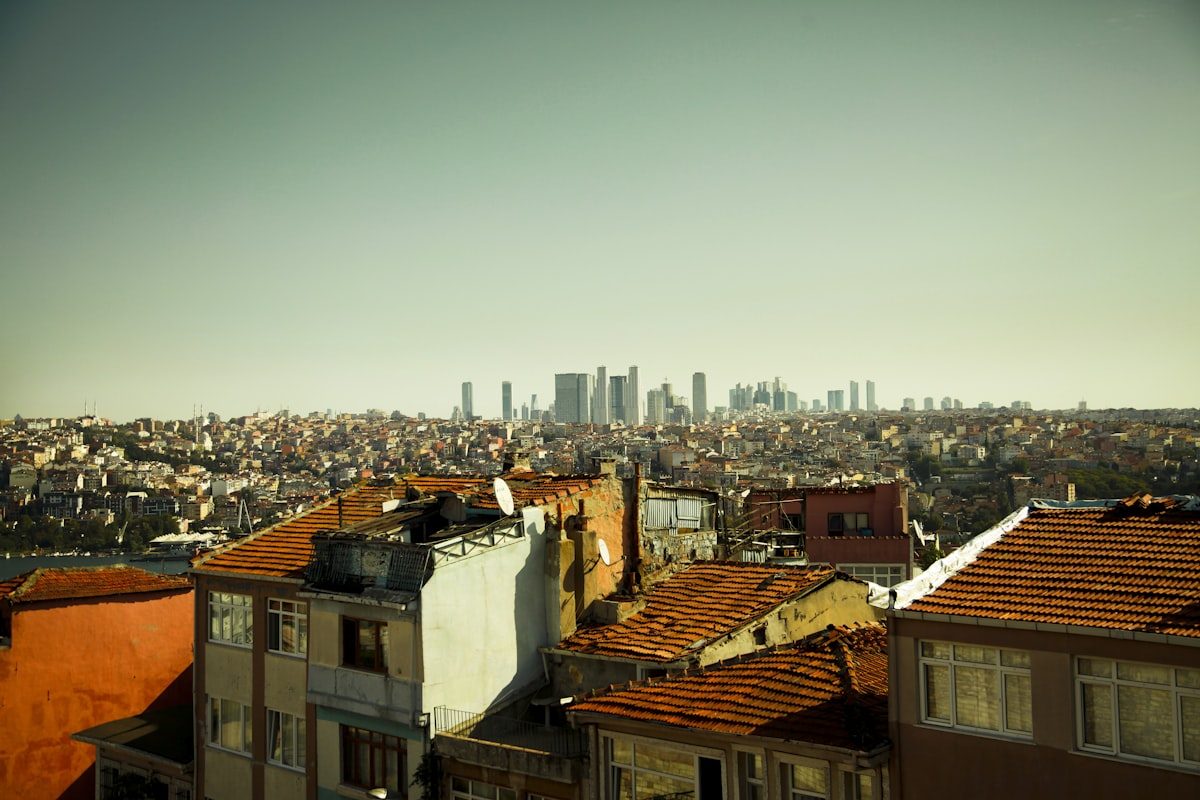
I remember the exact moment I decided to move to Istanbul. I was sitting at a tiny tea garden overlooking the Bosphorus, watching container ships glide between two continents, and a stray cat climbed into my lap like we’d known each other for years. The call to prayer echoed off the water, the tea cost about 50 cents, and I thought: I could live here. Six months later, I did. And let me tell you — living in Istanbul is nothing like visiting Istanbul. This is the honest, unfiltered guide to what moving to Istanbul as an expat actually looks like in 2026.
The Honeymoon Phase Is Real (and It’s Spectacular)
Your first few weeks in Istanbul feel like living inside a movie. Every morning walk delivers something cinematic — the smell of fresh simit from a street cart, the way the light hits the domes of Süleymaniye at golden hour, the absurd beauty of a Bosphorus ferry commute that costs less than a dollar. You’ll eat better for cheaper than you ever have. A proper lokanta lunch — soup, a main, salad, bread — runs about 150–200 TL (roughly $5–6). You’ll discover that Turkish breakfast (kahvaltı) is an event, not a meal: a table overflowing with cheeses, olives, honey, eggs, and enough bread to build a fort.
The energy is intoxicating. Istanbul is a 16-million-person city that truly never sleeps. There’s always a café open, always someone selling something, always a ferry about to depart. If you’re someone who feeds off urban energy, this city will electrify you.
>
💡 Pro Tip: Don’t sign a long-term lease before spending at least a month in the city. Book an Airbnb for the first few weeks and explore neighborhoods before committing. Your idea of the “perfect” area will change once you’ve actually walked the streets.
Finding an Apartment: The Real Adventure Begins
This is where the rose-tinted glasses come off. Finding an apartment in Istanbul as a foreigner is an exercise in patience, negotiation, and occasionally questioning your life choices.
The main platforms are Sahibinden.com (Turkey’s equivalent of Craigslist for housing) and Facebook Marketplace groups. Sahibinden is almost entirely in Turkish, so unless you speak the language or have a friend who does, you’ll want help. Facebook groups for Istanbul expats are goldmines — people post sublets, furnished apartments, and roommate searches constantly.
What You’ll Pay (2026 Estimates):
| Expense | Monthly Cost |
|---|---|
| 1BR furnished apartment (Kadıköy, Cihangir, Beşiktaş) | 25,000–40,000 TL ($700–$1,200) |
| Airbnb monthly (central neighborhoods) | €1,000–€1,600 |
| Utilities (electric, gas, water, internet) | 3,000–5,000 TL |
| Groceries | 5,000–8,000 TL |
| Istanbulkart (public transport) | ~1,500 TL |
One thing nobody tells you: landlords in Istanbul often expect annual rent increases tied to Turkey’s inflation rate. That means your rent can jump a lot from one year to the next. Get everything in writing and understand the terms before you sign.
>
💡 Pro Tip: Newer buildings are strongly recommended — not just for modern amenities but for earthquake safety. Istanbul sits on a major fault line, and construction quality varies wildly between older and newer buildings.
Choosing Your Neighborhood
Where you live in Istanbul will define your entire experience. This city is enormous — crossing from one side to the other during rush hour can take two hours — so choosing wisely matters more here than almost any other city.
For first-time expats, the top picks are:
- Cihangir: The bohemian heart of the expat community. Quiet despite being minutes from chaotic İstiklal Street. Incredible breakfast cafés (Van Kahvaltı Evi is legendary), independent shops, and a creative, international crowd. This is where writers, artists, and remote workers tend to cluster.
- Kadıköy/Moda (Asian Side): The locals’ favorite. Better food, cheaper rent, more authentic atmosphere. The Kadıköy-to-Karaköy ferry commute is one of the most beautiful commutes on earth. Summer here is unbeatable.
- Beşiktaş: Local, lively, and well-connected. Great bars, excellent ferry access, and a feeling of being in “real” Istanbul without the tourist overlay.
Where to avoid for living (even if you visit): Sultanahmet (tourist-priced everything, dead at night), Taksim center (3 AM techno from the bars below — multiple expats cite this as a deal-breaker), and Tarlabaşı (still a rough area despite ongoing gentrification).
The Good Stuff Nobody Warns You About
The delivery culture is incredible. You can get virtually anything delivered to your door — groceries, restaurant meals, pharmacy supplies, even a plumber — through apps like Yemeksepeti, Getir, and Trendyol. It’s faster and cheaper than most Western cities.
The flight connections are unmatched. Istanbul Airport (IST) is a Turkish Airlines hub with direct flights to basically everywhere. Expats rave about the Miles & Smiles program, and weekend trips to Greece, Georgia, or Egypt are absurdly affordable.
The social scene is warm — once you crack it. Turks are famously hospitable, but making deep friendships takes time. The trick is finding your community: language exchange meetups, coworking spaces like CoBAC (near Galata, with a stunning rooftop café), and neighborhood regulars at your local çay bahçesi (tea garden). Once you’re “in,” the generosity is overwhelming — expect to be fed constantly.
Public transport is excellent and cheap. The Istanbulkart gets you on metros, trams, buses, and ferries for about 27 TL per ride. Ferries across the Bosphorus are not just transport — they’re therapy.
The Frustrating Reality
Now for the parts the Instagram influencers don’t mention.
Traffic will test your sanity. Istanbul is a city of 16 million people crammed onto two peninsulas connected by bridges that are perpetually jammed. A distance that looks like 30 minutes on a map can take 90 minutes during rush hour. Plan your life around avoiding peak traffic, or better yet, live close to where you spend your time.
Inflation is relentless. If you’re earning in Turkish lira, life is genuinely difficult. Locals will tell you this plainly — wages haven’t kept pace with prices. If you’re earning in USD, EUR, or GBP, you’ll live comfortably, but watching your Turkish friends struggle with the same prices creates a complicated emotional dynamic.
Bureaucracy is a contact sport. Getting your ikamet (residence permit), opening a bank account, setting up utilities — every administrative task involves paperwork, waiting, and at least one trip where someone tells you you’re at the wrong office. Build patience reserves before you arrive.
Taxis remain a battlefield. Despite apps like Uber and BiTaksi, taxi scams persist. Drivers refusing meters, taking longer routes, doing the old “bill switch” trick. Many expats simply avoid taxis entirely and stick to public transport.
The city can feel cold in public. Istanbul is crowded, fast-paced, and not always gentle to newcomers. People don’t make small talk on the street the way they might in smaller Turkish cities. It takes time to find warmth beneath the urban hustle.
>
💡 Pro Tip: Learn basic Turkish. Even a handful of phrases — merhaba (hello), teşekkür ederim (thank you), hesap lütfen (check please) — dramatically changes how people treat you. The effort is noticed and deeply appreciated.
The Cost of Living: Real Numbers
For a single expat earning foreign currency, here’s what a comfortable month looks like in 2026:
| Category | Monthly Budget |
|---|---|
| Rent (1BR, good neighborhood) | $700–$1,200 |
| Groceries & household | $200–$300 |
| Eating out (mix of lokanta + restaurants) | $200–$400 |
| Transport | $50–$80 |
| Utilities + internet | $100–$150 |
| Social/entertainment | $150–$300 |
| Total | $1,500–$2,500 |
That’s a comfortable life with regular dining out, weekend activities, and the occasional weekend trip. You can go lower if you cook at home and stick to local spots. You can go much higher if you’re into fine dining and nightlife.
Visas and the Paperwork Maze
Most nationalities get 90 days visa-free in Turkey. If you’re planning to stay longer, you’ll need to apply for a residence permit (ikamet) within that window. The process involves an online application, a local appointment, and a stack of documents including proof of address, health insurance, and financial means.
Turkey’s digital nomad visa exists but has been somewhat anticlimactic — it’s currently issued for just three months, which is the same duration most people already get visa-free. However, it does provide a path to residency, banking access, and the legal right to work remotely, which matters if you’re planning to settle in.
So, Should You Move to Istanbul?
Here’s the honest answer: Istanbul is one of the most rewarding cities in the world to live in — if you go in with realistic expectations. It’s not a tropical paradise or a Scandinavian efficiency model. It’s loud, chaotic, occasionally infuriating, and constantly surprising. The food is extraordinary, the history is everywhere, the energy is unmatched, and the cost of living (on a foreign salary) is genuinely excellent.
But it asks something of you. It asks you to be patient with bureaucracy, resilient against scams, creative with logistics, and open to a pace of life that’s simultaneously faster and slower than what you’re used to. If that sounds like your kind of challenge, Istanbul might just become the city you never want to leave.
Have you moved to Istanbul? What surprised you most? Drop a comment — I’d love to hear your story.
Useful links: Go Türkiye – Istanbul Tourism · Lonely Planet Istanbul
Prices last updated: March 2026. Exchange rate used: 1 USD ≈ 45 TL. Prices in Turkish lira can change frequently due to inflation. Attraction fees set in euros (€) are more stable. Always check official websites for the latest prices before your visit.