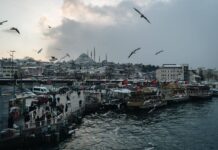
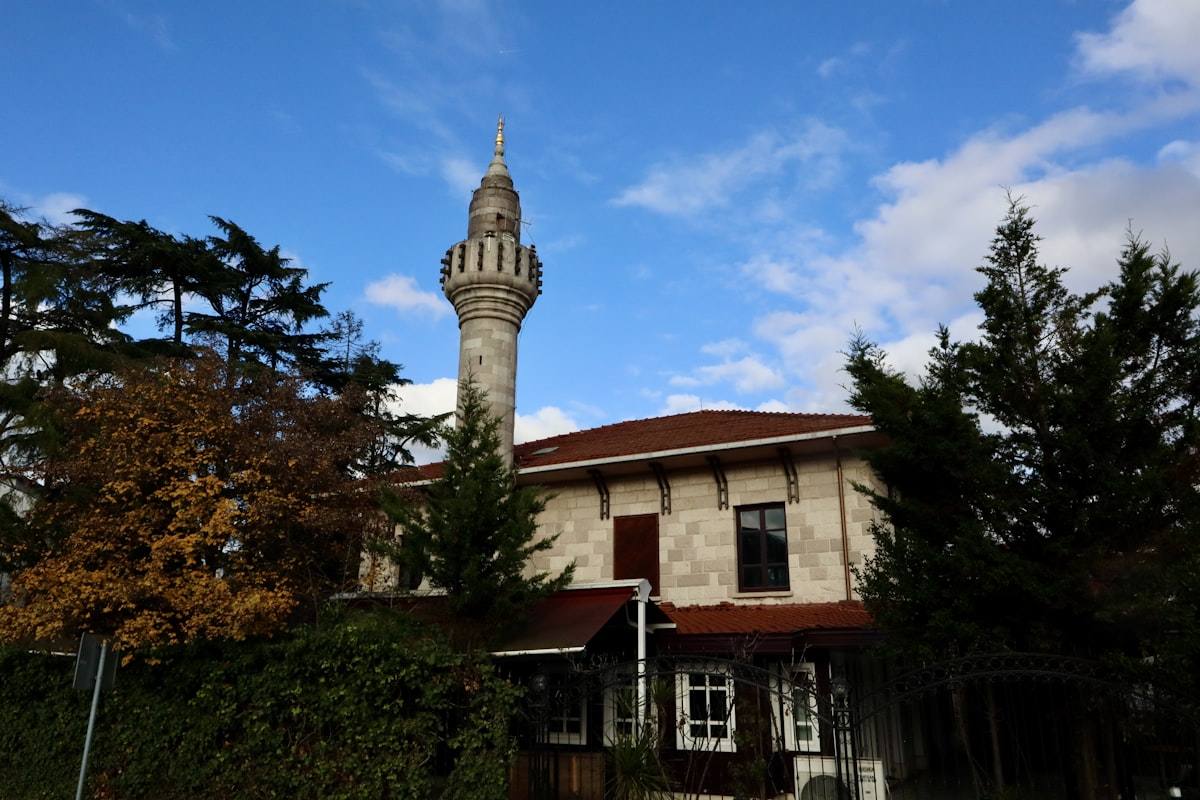
There’s a specific quality of light in Istanbul in October — golden, low-angled, warm — that turns the Bosphorus into liquid amber and makes the domes of Sultanahmet glow like they’re lit from within. Autumn in Istanbul (September through November) is the city’s best-kept secret among seasoned travelers. The summer crowds thin out, the heat breaks, the cultural calendar kicks into high gear, and the food reaches its seasonal peak. If spring is Istanbul showing off its flowers, autumn is Istanbul showing off its soul.
Autumn Weather: Month by Month
September: Average highs 26°C (79°F). Still warm, sometimes hot. Swimming is still possible (sea temperature around 22°C). Feels like a gentler extension of summer with fewer tourists.
October: Average highs 20°C (68°F). Perfect sightseeing weather. Clear skies and golden light. Rain starts to appear (average 7 rainy days), but showers are typically short.
November: Average highs 15°C (59°F). Cooler and rainier (9 rainy days on average). Still very pleasant by European autumn standards. Tourist sites are nearly empty.
What to Pack: Layers are essential. A light jacket for September evenings, a proper mid-layer for October/November. Rain jacket or umbrella for November. Comfortable waterproof walking shoes for cobblestones after rain.
Why Autumn Is Ideal for Sightseeing
The practical advantages are significant:
- Shorter queues: Topkapı Palace, Hagia Sophia, and the Basilica Cistern have noticeably fewer visitors compared to summer. You can often walk in with minimal wait.
- Better prices: Hotel rates drop 20–40% compared to peak summer. Airbnb prices follow suit. Flights from Europe are cheaper.
- Comfortable walking: Istanbul is a walking city built on seven hills. At 20°C instead of 35°C, covering ground is a pleasure instead of an endurance test.
- Photography light: The low autumn sun creates extraordinary conditions for photography, especially during the golden hour that stretches across the late afternoon.
Autumn Events and Culture
Istanbul’s cultural season ramps up dramatically in autumn:
- Istanbul Biennial (typically September–November, odd-numbered years): One of the world’s most respected contemporary art biennials. Free venues across the city.
- Istanbul Film Festival (usually April, but autumn indie screenings are common): Check Atlas Cinema and Beyoğlu theaters.
- Akbank Jazz Festival (October–November): Free and paid concerts featuring international jazz artists across the city.
- Contemporary Istanbul (September): Major art fair bringing galleries from Turkey and around the world.
- Istanbul Marathon (November): The only marathon that crosses two continents, running from the Asian side across the Bosphorus Bridge to Europe.
Autumn Food: The Best Season to Eat
Autumn in Istanbul is food season at its richest:
- Pomegranates appear everywhere — fresh juice from street carts (30–50 TL a glass), as garnish on meze, and in salads. The ruby-red juice on a cool October afternoon is perfection.
- Chestnuts: Roasted chestnut vendors appear on street corners from October. The smell is classic Istanbul autumn.
- Bonito (palamut) season: This prized Bosphorus fish runs from September to December. Order it grilled at any waterfront restaurant in Karaköy, Arnavutköy, or Kadıköy. This is the fish that makes Istanbulites cancel plans.
- Boza: A thick, fermented millet drink served cold or at room temperature, traditionally consumed in autumn and winter. Vefa Bozacısı in Fatih has been serving it since 1876.
- Quince and pumpkin desserts appear on restaurant menus — kabak tatlısı (pumpkin dessert with tahini) is a highlight.
Best Things to Do in Istanbul in Autumn
Bosphorus cruise: The autumn light makes the Bosphorus cruise even more spectacular. The full-day cruise to Anadolu Kavağı is less crowded and the changing leaves along the shore add color.
Walk Balat and Fener: The photogenic colored houses look even more striking against autumn skies. Tourist crowds thin dramatically from October onward.
Explore the Asian side: Kadıköy and Moda are at their atmospheric best in autumn — warm enough for waterfront walks, cool enough for long café sessions. The market is bursting with seasonal produce.
Visit Belgrad Forest: Istanbul’s largest forest, on the European side north of the city. In October and November, the deciduous trees turn golden and red. Hiking trails, picnic areas, and reservoirs. Take a taxi or bus from Sarıyer.
Hammam season begins: As the weather cools, a Turkish bath becomes even more appealing. Try Kılıç Ali Paşa Hamamı in Karaköy for a beautiful historic experience, or Şifa Hamamı in Üsküdar for the authentic local version.
Practical Tips for Autumn Visits
- Rain gear: Don’t let rain stop you. Istanbul in the rain has its own beauty — the cobblestones glisten, the bazaars become cozier, and tea tastes better.
- Shorter days: Sunset shifts from 7:15 PM in September to 5:00 PM in November. Plan outdoor activities for daylight hours.
- Layering: Mornings can be cool (10–12°C in November) while afternoons warm up. Layers you can add/remove are essential.
- November is bargain season: If you don’t mind cooler weather and occasional rain, November offers the best combination of low prices, no crowds, and a city that’s still fully operational.
Autumn Istanbul feels like the city exhaling after the intensity of summer. It’s quieter, more reflective, more itself. The tourists who come in autumn tend to be the ones who’ve been before — they know this is the secret season.
When’s your favorite time to visit Istanbul? I’d love to hear — leave a comment.
—
—
Useful links: International Society of Aesthetic Plastic Surgery · Turkey Ministry of Health
Prices last updated: March 2026. Exchange rate used: 1 USD ≈ 45 TL. Prices in Turkish lira can change frequently due to inflation. Attraction fees set in euros (€) are more stable. Always check official websites for the latest prices before your visit.