
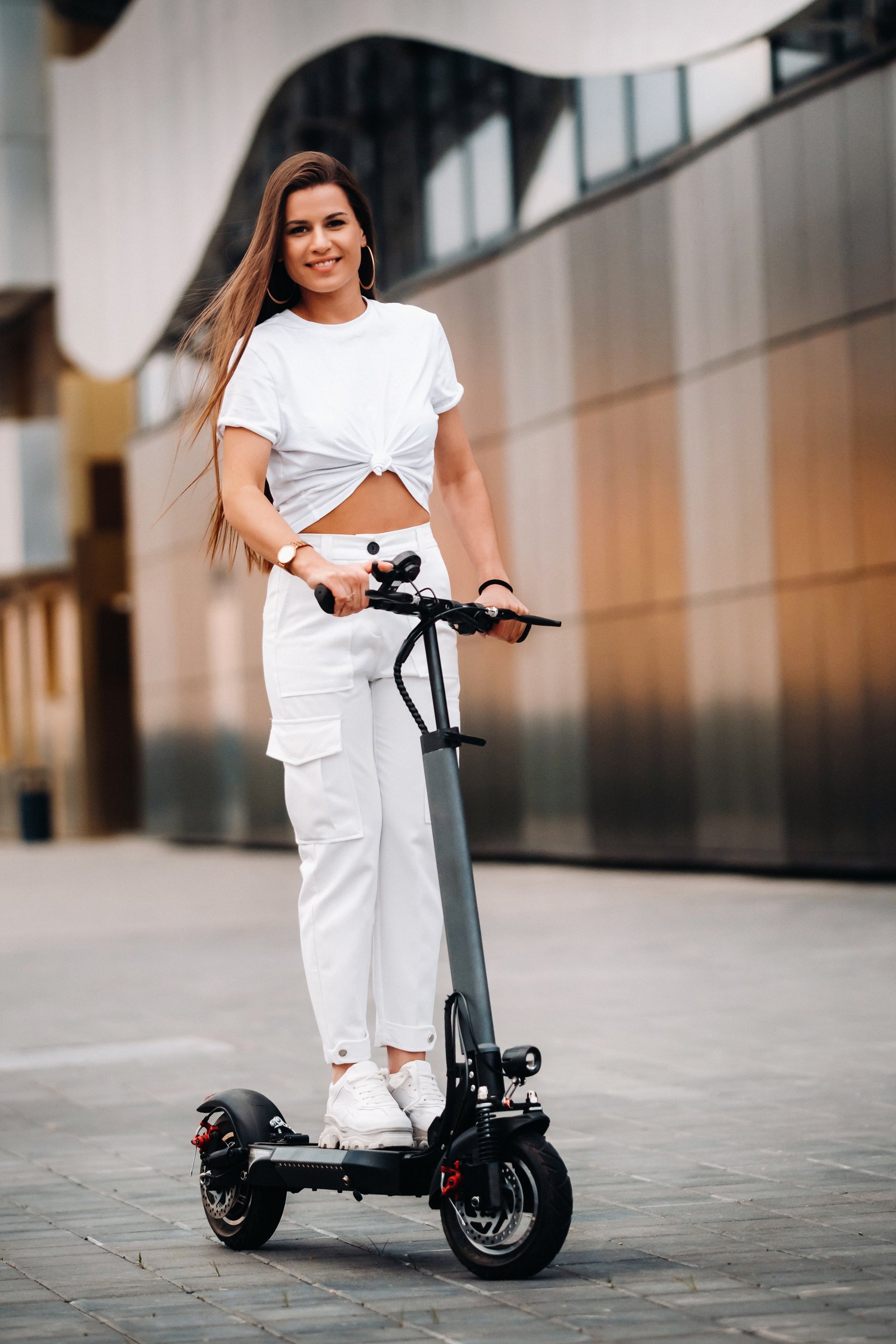
There’s a moment every Istanbul visitor eventually has: you need to travel 800 meters between a metro station and a restaurant in Cihangir, but it’s all uphill. A taxi seems excessive. Walking sounds terrible. Enter the e-scooter.
Shared electric scooters have become part of Istanbul’s mobility fabric over the past few years, filling exactly those gaps between transit hubs and your actual destination. They’re not perfect — Istanbul’s hills and traffic make some routes challenging — but used smartly, they’re genuinely useful and fun.
The Three Main E-Scooter Apps
Martı is Turkey’s dominant mobility super-app and the most widely used e-scooter platform in Istanbul. Beyond scooters, the app also offers mobilets (sitting e-mopeds) and e-bikes, as well as a car-hailing option. It’s your best first install for scooter coverage in central districts. Fleet quality can vary — always check brakes before starting.
BinBin has a solid citywide presence with transparent per-minute pricing and occasional passes that remove unlock fees for a month. Popular near universities and along coastal paths. If Martı has no vehicles nearby, BinBin is your next call.
HOP is a smaller fleet with very clear in-app rules about where to ride, where to park, and penalties for violations. Good for short inner-city hops with a straightforward interface.
💡 Pro Tip: Install two apps before your trip and keep them ready. Fleet availability varies by neighborhood and time of day — having a backup means you’re almost never stuck.
How Pricing Works
All three apps use the same basic model:
– Unlock fee: Charged when you start a ride (typically 5–15 TL)
– Per-minute rate: Charged while the scooter is active (typically 3–8 TL/minute)
– Pause rate: Reduced rate if you pause the ride without ending it
In practice, a 10-minute hop works out to roughly 50–100 TL ($1.15–2.30). This compares well with a taxi (minimum 135 TL) for short distances, especially when traffic would make taxis slow anyway.
Subscriptions and monthly passes appear seasonally — if you’re staying for a week or more and plan frequent scooter use, check in-app promotions.
Shop rentals are a separate option for sit-down scooters (50–125cc or electric mopeds). You’ll find rental shops near Kadıköy, Beşiktaş, and the old city fringe. Daily rates typically run 400–800 TL ($9–18) for a basic model, with a refundable deposit. Shop rentals are better for half-day or full-day loops, especially for beaches or the Princes’ Islands.
Istanbul’s Bike Sharing: İSBİKE and Private Options
Istanbul’s municipality-operated bike share system, İSBİKE, is currently undergoing a complete renewal. The old system reached the end of its operational life, and the city announced a fully updated system with modern electric bikes and integrated public transport ticketing. As of 2026, the rollout is in progress — check the İBB (Istanbul Metropolitan Municipality) website for current station availability.
Private bikes are also available for hire in Kadıköy, Moda, and along the Bosphorus promenades from small rental shops. These are particularly pleasant for the flat coastal paths on the Asian side. Rental shops in Moda and Kadıköy typically charge 150–250 TL ($3.40–5.68) per hour for a regular bicycle, or 200–400 TL ($4.55–9.10) per hour for an electric bike. For a 2–3 hour coastal ride, this is excellent value.
The Moda coastline ride — from Kadıköy along the Marmara shore past Moda Pier and continuing south — is one of the most pleasant leisure rides in Istanbul. Flat, scenic, well-paved, and light on traffic on weekend mornings.
Where E-Scooters Work Well
Good for:
– Galata/Karaköy to Cihangir (short uphill that’s painful to walk)
– Eminönü to Sultanahmet along the waterfront
– Kadıköy neighborhood exploration (relatively flat in the core area)
– Moda coastal path on the Asian side (flat, scenic, lovely)
– Connecting metro stations to slightly distant destinations
Less ideal:
– Steep hills in Beyoğlu, Çukurcuma, or Fatih — exhausting and sometimes outside the service zone
– During heavy rain — safe stopping distances are reduced
– Rush hour traffic on main roads — cars get very close
– Any road with heavy tram tracks — scooter wheels can catch in the grooves
Rules and Safety
– You must wear a helmet — theoretically mandatory in Turkey, though enforcement is inconsistent for app scooters. If you have your own, use it.
– Ride in designated bike lanes where available; stay right on regular roads
– Do not ride on pedestrian walkways (footpaths)
– Always park in designated areas visible on the app map — parking violations result in fees charged to your account
– Take a photo of the parked scooter when ending your ride — this protects you against claims of improper parking
The speed limit for e-scooters on roads in Turkey is 25 km/h. App-based scooters are electronically limited to this speed. In certain pedestrian zones, the apps will automatically lock or restrict the scooter — don’t try to override this.
Navigating Istanbul’s Hills
Istanbul’s terrain is famous — the city rolls up and down hills across both its European and Asian flanks. E-scooters have motors that help with uphill routes, but steep inclines (anything over 8–10%) can strain older fleet vehicles. If you’re tackling a significant hill, tap the throttle gently before the incline starts to build momentum.
Hills also affect battery drain significantly. On Martı especially, the battery percentage indicator matters: a scooter showing 30% battery may run out on a steep uphill section before reaching your destination. Pick vehicles with 60%+ battery for hilly routes.
Going downhill on an e-scooter in Istanbul requires care — apply brakes gradually and early, especially when approaching busy intersections. Istanbul drivers have limited experience sharing the road with scooter riders, and they don’t always give way.
Getting There: Best Starting Points
European side: Scooters cluster around Karaköy, Galata, Taksim, Kabataş waterfront, and Eminönü. Best for connecting the dots between the T1 tram and elevated neighborhoods.
Asian side: Kadıköy and Moda have good coverage. The flat promenade from Moda to Bostancı is one of the most pleasant scooter rides in the city.
E-Scooters vs. Taxis: When Each Makes Sense
A direct comparison for common Istanbul journeys:
| Journey | E-Scooter (est.) | Taxi (est.) | Better Option |
|---|---|---|---|
| Karaköy to Galata Tower | 25–40 TL, 5 min | 100–150 TL, 5 min | E-scooter |
| Eminönü to Sultanahmet | 30–50 TL, 8 min | 120 TL, 10 min | E-scooter |
| Taksim to Beşiktaş | 60–90 TL, 15 min | 150–200 TL, 20 min | E-scooter (in traffic) |
| Kadıköy to Moda coastal path | 40–70 TL, 12 min | 100–150 TL, 10 min | E-scooter (more fun) |
| Airport to hotel | Not applicable (too far) | 1,372–1,498 TL | Taxi/metro |
Taxis win for: bad weather, carrying heavy luggage, night-time unfamiliar areas, long distances.
Scooters win for: daylight, short-to-medium distances, known routes, avoiding traffic.
Getting a Turkish SIM for App-Based Mobility
Every mobility app in Istanbul (Martı, BinBin, BiTaksi) works best with a Turkish SIM card — some features require Turkish phone number verification. Tourist SIMs are available at Istanbul Airport from Turkcell, Vodafone, and Türk Telekom counters in the arrivals hall, starting from 400–600 TL ($9–14) for a 7-day package with 10–20GB of data.
Alternatively, eSIMs from Airalo or Holafly start at $7 for 3GB and work immediately after downloading — buy one before you land and activate on arrival.
What to Avoid
– Starting a ride without checking brakes and tire pressure — fleet maintenance quality varies
– Martı’s automatic hold on your card — some users report holds of 2–3x the ride cost. This is usually released within 24 hours but can be annoying. Ensure you have enough card buffer.
– Riding in tourist-heavy pedestrian zones — illegal and frustrating for everyone
– Tram tracks — especially on T1 tram routes. The grooves can catch small scooter wheels and cause falls
– Late-night riding in unfamiliar areas — cobblestone streets, unexpected steps, and low-visibility hazards are more dangerous after dark
Conclusion
E-scooters in Istanbul are genuinely useful for the specific problem of getting between transit nodes and your actual destination. They’re not a way to see the city — for that, walk or take a ferry. But for the “last 800 meters” problem? They’re perfect. Download Martı and BinBin before you arrive, check the service zones in your neighborhood, and enjoy.
Have you tried e-scooters or bikes in Istanbul? Tell us your favorite route in the comments!
Prices last updated: March 2026. Exchange rate: 1 USD ≈ 45 TL.
Useful links: Istanbul Metropolitan Municipality · Go Türkiye Istanbul