
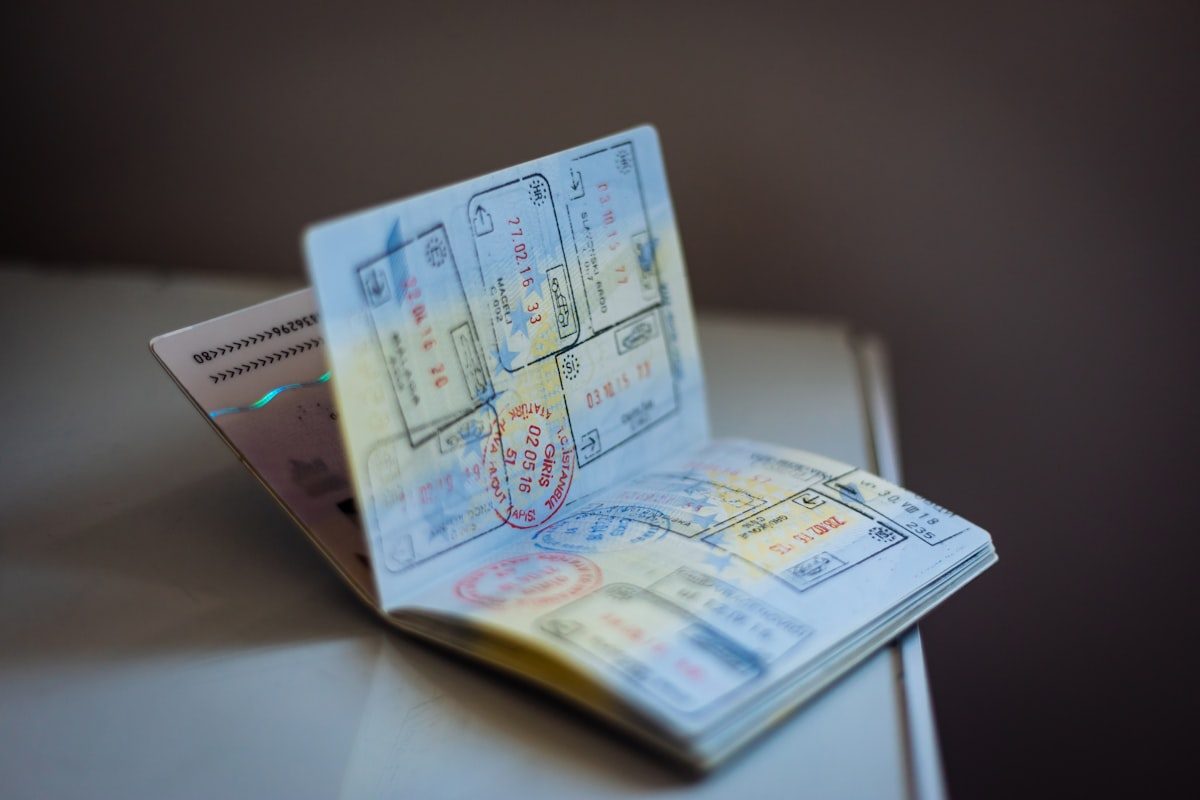
Turkey’s visa system is surprisingly generous — over 90 countries get visa-free entry, and dozens more can grab an e-visa in minutes. But the moment you want to stay beyond 90 days, things get more complex. The residency permit (ikamet) system, work permit process, and student visa each have their own labyrinth of requirements, documents, and bureaucratic appointments. This Turkey visa and residency guide walks you through every pathway, from your first tourist entry to long-term permanent residency, with the current 2026 rules and real-world advice on getting around the system.
Entry Visas: Getting Into Turkey
Visa-Free Entry:
Citizens of many countries can enter Turkey without any visa for stays of up to 90 days within a 180-day period. This includes most EU countries, the UK, Japan, South Korea, Brazil, Argentina, and many others. You simply arrive at the airport, show your passport, and get stamped in.
E-Visa:
If your nationality requires a visa but qualifies for the e-visa, apply online at evisa.gov.tr before your trip. The process takes about 5 minutes, costs about $50–60 (varies by nationality), and gives you a single or multiple-entry visa for stays up to 30 or 90 days depending on your country.
Eligible nationalities include the US, Canada, Australia, India, China, many African nations, and others. Always check the official Turkish Ministry of Foreign Affairs website for your specific nationality’s requirements.
Sticker Visa (Consular Visa):
Some nationalities must apply for a traditional visa at a Turkish embassy or consulate. This requires an in-person appointment with documentation including passport, photos, flight reservation, places to stay proof, and financial means. Processing takes 1–4 weeks.
💡 Pro Tip: Your passport must be valid for at least 60 days beyond your intended stay. Some countries also require 6 months validity for the e-visa. Check requirements specific to your nationality before booking flights.
Short-Term Residence Permit (Kısa Dönem İkamet İzni)
If you want to stay in Turkey beyond your visa/visa-free period (more than 90 days), you need a residence permit. The short-term residence permit is the most common type for expats.
Who qualifies:
- Property owners in Turkey
- Those with business connections or set uping a business
- Participants in training, internship, or educational programs
- Those needing to stay for medical treatment
- Family members of Turkish citizens
- Individuals who don’t qualify for other permit types but can show a purpose for staying
Important 2025-2026 update: First-time tourist residence permits have been a lot restricted in recent years. Turkey has tightened requirements, and the tourist-purpose short-term permit is currently very difficult to obtain in many provinces (especially Istanbul). The most reliable pathways now are property ownership, work, study, or the digital nomad visa.
Required documents:
- Completed online application via e-ikamet (e-ikamet.goc.gov.tr)
- Valid passport (at least 60 days beyond requested permit duration)
- 4 biometric photos
- Proof of places to stay (lease agreement, property deed, or hotel booking)
- Proof of financial means (bank statement showing enough funds)
- Valid health insurance for the entire permit period
- Tax registration certificate and fee payment receipt
Process:
- Complete the online application via the e-ikamet system.
- Receive an appointment date at your local Provincial Directorate of Migration Management.
- Attend the appointment with all original documents.
- After processing (several weeks), receive your residence permit card by mail.
Duration: Typically 1–2 years, renewable.
Cost: Application fee varies but typically 1,000–3,000 TL plus residence permit card fee.
💡 Pro Tip: Apply within the first 90 days of your visa/visa-free stay. If your application is submitted, you receive a “Residence Permit Application Document” that allows you to stay legally while it’s being processed — plus one 15-day exit-entry right.
Student Residence Permit (Öğrenci İkamet İzni)
For international students enrolled at Turkish universities.
Requirements:
- Valid student visa (obtained from Turkish embassy before arrival)
- Acceptance letter from a Turkish university
- Proof of enrollment
- Health insurance
- Proof of financial means
- Passport and biometric photos
Duration: Lasts for the duration of your educational program, renewable each academic year.
Key benefit: Student permits are relatively straightforward compared to other permit types — your university enrollment provides clear justification.
Work Permit (Çalışma İzni)
Covered in detail in our post. Quick summary:
- Employer-initiated: Your Turkish employer applies through the Ministry of Labour.
- Duration: 1 year initially, renewable.
- Key requirement: Company must typically employ 5 Turkish citizens per 1 foreign worker.
- Turquoise Card: A special work permit for highly qualified professionals, investors, and scientists — provides indefinite work and residence rights.
Digital Nomad Visa
For remote workers employed by non-Turkish companies:
- Duration: Up to 1 year
- Income requirement: $36,000/year ($3,000/month)
- Age range: 21–55
- Apply via: digitalnomads.goturkiye.com
- Full details in our
Family Residence Permit (Aile İkamet İzni)
For spouses and minor children of Turkish citizens or residence permit holders:
- Spouse must hold a valid residence or work permit (or be Turkish)
- Children under 18 eligible
- Requires marriage certificate (apostilled and translated) and proof of relationship
- Duration tied to the sponsor’s permit
Long-Term Residence Permit (Uzun Dönem İkamet İzni)
The closest thing to permanent residency:
- Requires 8 years of uninterrupted legal residence in Turkey
- No social assistance received in the last 3 years
- Stable income and valid health insurance
- Provides indefinite residence rights
- Similar to permanent residency — live, work, and benefit from social services (except voting and military exemption)
Turkish Citizenship
Beyond the investment pathway ($400,000+ real estate), you can also obtain citizenship through:
- Residence: 5 years of continuous legal residence + Turkish language proficiency + stable income
- Marriage: 3 years of marriage to a Turkish citizen + joint residence
- Exceptional circumstances: Granted by Presidential decision for significant contributions to Turkey
Health Insurance Requirements
Health insurance is mandatory for all residence permit applications. Since the April 2025 reform, Turkey has implemented stricter standards for foreign resident health insurance:
- Minimum coverage limits are higher than before
- Policies must be state-supervised with specific coverage standards
- before cheap “residence permit insurance” policies have been phased out
- Private health insurance premiums have increased as a result
Budget about 2,000–5,000 TL/month ($45–$114) for compliant private health insurance, depending on age and coverage level. After one year of residence with a work permit, you can opt into SGK (public) insurance.
Common Mistakes to Avoid
- Don’t overstay your visa. Turkey takes overstays seriously — fines, entry bans, and deportation are real consequences.
- Don’t assume tourist visa-free entry means you can live here. 90 days out of 180 is a hard rule. Border runs (leaving and re-entering to reset) no longer work.
- Don’t wait until the last minute to apply. Start your residence permit application early in your legal stay period.
- Don’t submit incomplete documents. Missing even one document means rescheduling your appointment, potentially weeks later.
- Don’t use unregistered agents. Work with registered immigration lawyers or use the official e-ikamet system directly.
- Don’t forget about tax residency. 183+ days in Turkey in a calendar year makes you a Turkish tax resident.
Quick Reference Table
| Permit Type | Duration | Key Requirement | Processing Time |
|---|---|---|---|
| E-Visa / Tourist | 30–90 days | Valid passport + fee | Minutes (e-visa) |
| Short-term residence | 1–2 years | Purpose + finances + insurance | 2–8 weeks |
| Student residence | Duration of studies | University enrollment | 2–6 weeks |
| Work permit | 1 year (renewable) | Turkish employer sponsor | 4–6 weeks |
| Digital Nomad Visa | Up to 1 year | $36K income + foreign employer | 2–4 weeks |
| Family residence | Tied to sponsor | Spousal/family relationship | 2–8 weeks |
| Long-term residence | Indefinite | 8 years legal residence | 2–3 months |
| Citizenship | Permanent | 5 years residence OR $400K investment | 6–12 months |
Turkey’s immigration system is in flux — rules have tightened a lot in recent years, especially for tourist-purpose residency. The best approach is to have a clear, legitimate purpose for your stay (work, study, business, or property) and work with a qualified immigration lawyer for anything beyond a short-term visit.
Have questions about your specific visa situation? Drop them in the comments — I’ll do my best to point you in the right direction.
Useful links: Booking.com Istanbul · Turkey Immigration Portal
Prices last updated: March 2026. Exchange rate used: 1 USD ≈ 45 TL. Prices in Turkish lira can change frequently due to inflation. Attraction fees set in euros (€) are more stable. Always check official websites for the latest prices before your visit.