I moved to Istanbul thinking I understood it. I had visited three times. I had read about it. I felt ready. A year later, almost nothing I assumed had turned out to be right. The city I live in now is almost unrecognisable from the city I thought I was moving to. This is what actually changed my mind.
The First Month: Dazzled and Completely Lost
My first few weeks were a blur of logistics and sensory overload. The noise, the hills, the seagulls at four in the morning, the fact that there is no grid system and every map app seems to disagree with every other one. I rented a place in Cihangir and immediately discovered that Cihangir is beautiful and that carrying groceries up its streets is a genuine cardiovascular workout.
I had imagined Istanbul as one coherent place. It is not. It is at least five cities sharing one name. The Beyoğlu of bars and galleries has almost nothing in common with the Fatih of historic mosques and conservative neighbourhoods. Üsküdar on the Asian side feels like a different tempo entirely. It took me the better part of three months before I stopped finding this disorienting and started finding it the best thing about living here.
What Surprised Me About Daily Life
Here are the practical things that caught me off guard most in year one:
- The Istanbulkart pays for itself in two days of normal city use
- The ferry is not slow transport: it is the most pleasant way to cross the city
- Neighbourhoods feel like separate small cities once you know them properly
- Learning 50 words of Turkish changes the quality of every interaction
- Sunday is the day Istanbul shows you what it is actually for
Istanbul operates on its own logic. The ferries run to a schedule that makes sense once you learn it, but not before. The Istanbulkart system is genuinely well-designed once you have one, but getting it set up the first time requires patience. I paid 165 TL for the card itself and then loaded it with enough credit for a month of commuting.
The neighbourhood bakkal (corner shop) became central to my life in a way I had not expected. Not supermarkets. The bakkal two doors from my building knew my usual order within a week. That kind of hyper-local familiarity exists everywhere in Istanbul, even now in 2026 when delivery apps have transformed how the city eats. People still go to the same bread shop every morning. They still sit on plastic chairs outside the tea shop at 10 pm on a Tuesday. This is not performed tradition. It is just how life is organised here.
The Language Was Harder Than I Expected
I underestimated Turkish badly. I had studied a little before arriving and thought I would pick it up fast. The grammar is nothing like any language I had learned before. The vowel harmony system, the agglutinative structure, the way negation works. It took me four months before I could hold a simple conversation at a market stall without my brain seizing up mid-sentence.
What helped: going to a local tea garden and sitting there every morning, ordering the same thing, forcing myself to chat. The regulars were patient. Turks in general are generous with people attempting to speak Turkish. The effort is noticed and appreciated in a way that felt genuinely warm rather than performative politeness.
💡 Pro Tip: Learn the numbers and the question phrase ne kadar (how much?) before anything else. It opens up every market, minibus, and street food transaction immediately.
What I Was Wrong About: Food
I thought I knew Turkish food. I had eaten döner and baklava and knew the basics. What I did not know was the depth of regional variation, the obsessive seasonality, or the sheer range of what people actually eat at home versus what gets served to tourists.
The first time a neighbour brought me a tray of food she had cooked for a religious occasion, I ate things I still cannot name. Dishes made from ingredients I had to ask about afterward. Istanbul’s food culture is richer than any single restaurant can show you. Çiya Sofrası in Kadıköy changed my understanding of Anatolian cooking. Kanaat in Üsküdar introduced me to Ottoman meyhane food that almost nobody writes about in English.
I also learned that home cooking here is a serious matter. People talk about food the way other cities talk about football. Getting invited to someone’s home for dinner is an education. If it happens to you, say yes.
What I Was Wrong About: The People
Before moving, I had heard two contradictory things: that Istanbul residents are cold and busy and keep to themselves, and that Turkish hospitality is overwhelming. Both are partly true and neither is the whole story.
Istanbul is a city of 16 million people. It is fast, loud, and relentless in rush hour. People on the metro look exhausted because they are. But step outside that commuter layer and the warmth is real. My neighbours looked out for me. A landlord I never met personally sent someone to fix my boiler at 9 pm on a Friday. A taxi driver spent twenty minutes helping me navigate a bureaucratic problem by calling a friend who might know someone. That network-based kindness operates constantly, below the surface of the busy city.
The Bosphorus Never Gets Ordinary
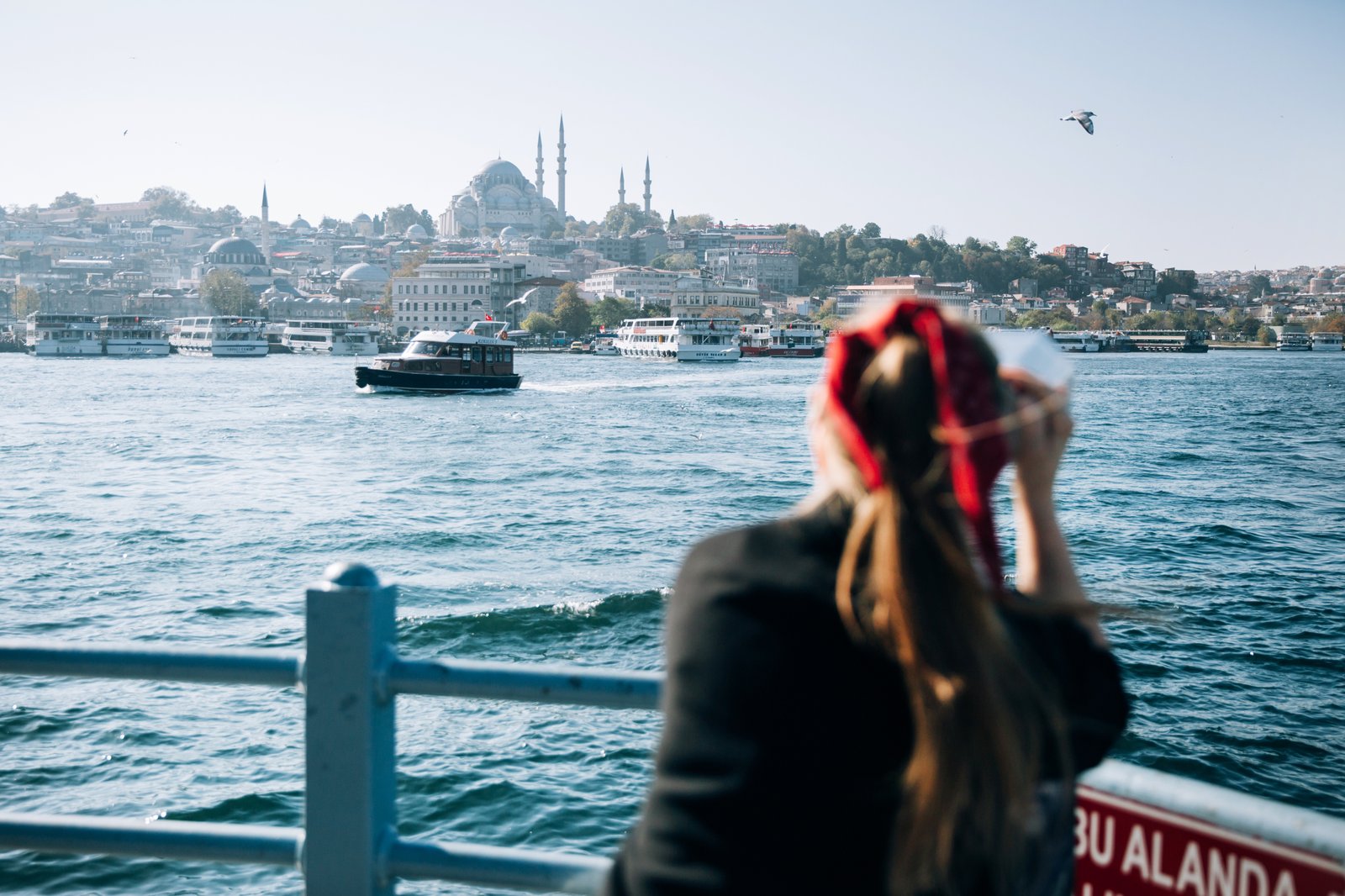
I expected to stop noticing the water. I have not. A year in and I still find myself pausing on the Galata Bridge or looking up from a terrace in Arnavutköy just to watch the tankers move through the strait. The light on the Bosphorus changes every hour. It is the one thing about Istanbul that remains inexhaustible. In a city where everything is constantly changing, the water is the constant.
💡 Pro Tip: The cheapest and best way to see the Bosphorus is to take the regular commuter ferry from Eminönü or Karaköy to Üsküdar or Kadıköy. It costs 53 to 73 TL depending on the route, runs all day, and gives you better views than any tourist cruise.
Would I Stay?
Yes. Not without frustrations, not without the occasional week when the bureaucracy or the traffic or the noise makes me question everything. But yes. Istanbul is one of those cities that earns your attention in proportion to how much of yourself you put into knowing it. A week here gives you a beautiful surface. A year starts to show you what is underneath.
For a broader picture of what Istanbul life looks like on the ground, the Istanbul Metropolitan Municipality publishes city guides and neighbourhood information useful for anyone considering a move here.
If you are thinking about making the move, read our practical guide to living in Istanbul as an expat. For the honest version of what the first weeks actually look like, our post on things expats wish they had known covers the specifics. And if you want to understand the city before you arrive, our neighbourhood guides are a good starting point.
A year is not enough to know Istanbul. But it is enough to fall for it properly.