Eating vegan or vegetarian in Istanbul is easier than most people expect. Turkish cuisine is historically heavy on vegetables, legumes, and olive oil dishes. The issue is that many traditional dishes contain hidden meat or animal fat, so knowing where to go and what to ask saves a lot of guesswork. This guide covers the best dedicated vegan and vegetarian spots, plus some traditional options that work well for plant-based diners.
Istanbul’s Vegan Scene in 2026
The city now has a small but solid network of dedicated vegan restaurants, concentrated mainly in Kadıköy, Beyoğlu, and Şişli. The shift began around 2018 and accelerated during and after the pandemic. Several restaurants that opened as vegetarian have since gone fully vegan, responding to customer demand rather than any particular trend.
Separate from these dedicated spots, Istanbul’s meyhane culture has always produced a strong selection of vegetable meze, many of which are accidentally vegan. Knowing how to navigate a traditional menu is as useful as knowing the dedicated restaurants.
Komşu Kafe: The Kadıköy Anchor
Komşu Kafe in Kadıköy is one of the most established vegan restaurants in Istanbul. The menu draws on Turkish home cooking traditions, reinterpreting dishes like stuffed peppers, lentil soups, and grain-based salads without animal products.
The atmosphere is relaxed and neighbourhood-facing: mismatched furniture, a small terrace in good weather, and the kind of clientele that lives nearby rather than making a special trip. Prices are reasonable, with a full meal running 400 to 700 TL per person in 2026 including a drink.
Worth knowing: they run with a small kitchen and can be fully booked on weekend evenings. A quick call or check on their social channels before arriving saves disappointment.
Traditional Meze and Olive Oil Dishes: What to Order
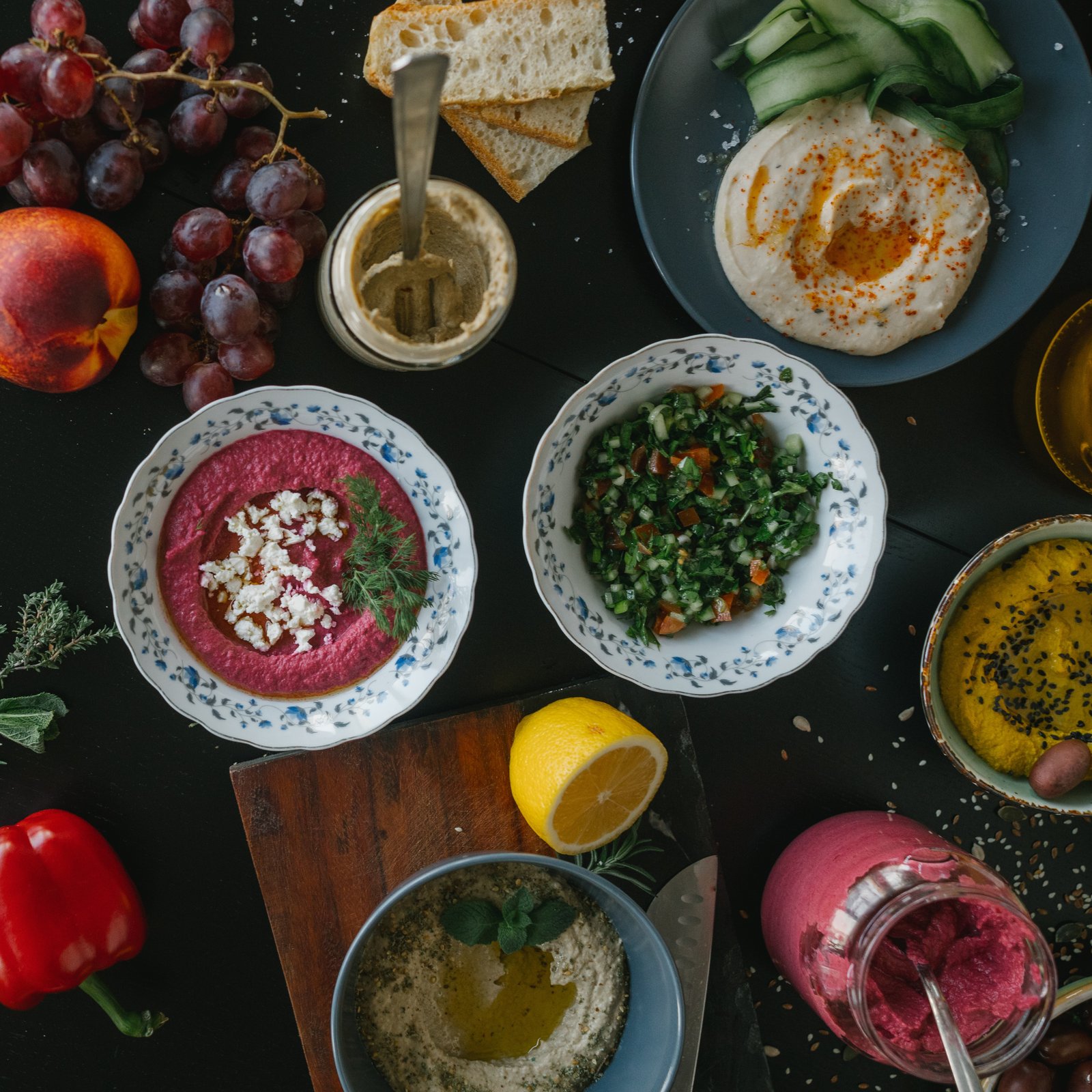
Turkey’s cuisine has a strong foundation in plant-based ingredients. The Go Türkiye food guide notes that zeytinyağlı (olive oil-cooked) dishes are among the most celebrated elements of Turkish culinary heritage. Every meyhane (traditional Turkish tavern) has a cold meze section, many of which are olive oil-based and naturally vegan. These are called zeytinyağlı dishes, meaning cooked in olive oil and served at room temperature.
Reliable options at traditional restaurants:
- Zeytinyağlı yaprak sarması: Grape leaves stuffed with rice, currants, and pine nuts
- Zeytinyağlı enginar: Braised artichoke hearts with vegetables
- Fava: Pureed broad beans with olive oil and dill
- Patlıcan salatası: Roasted aubergine salad, usually vegan though some versions include yoghurt
- Kısır: Bulgur salad with tomatoes, parsley, and pomegranate molasses
- Mercimek çorbası: Red lentil soup, almost always vegan
Always ask whether a dish contains butter or yoghurt. Cooks sometimes add a spoonful without thinking of it as an ingredient.
💡 Pro Tip: The phrase “içinde süt ürünü var mı?” means “does it contain dairy?” and “et veya tavuk kullanılıyor mu?” means “is meat or chicken used?” Even a basic effort at Turkish gets a warm response and clearer answers than miming at a menu.
Kadıköy’s Plant-Based Cafes
Beyond Komşu Kafe, Kadıköy has developed a cluster of vegan and vegetarian-friendly cafes in the streets between Moda and the market. Most of these are small, independently run, and serve a mix of Turkish and international dishes.
The neighbourhood’s demographic leans young and university-educated, which means plant-based options are treated as straightforward rather than specialty. Several spots also serve natural wine and craft beer alongside the food.
Beyoğlu and Cihangir: The Expat-Friendly Zone
Beyoğlu has the highest density of restaurants catering to international tastes, and vegan options here tend to be more internationally influenced. You will find hummus-and-falafel cafes, health-focused bowl restaurants, and spots running fully vegan menus that read more like contemporary London or Berlin than traditional Istanbul.
Cihangir, the bohemian neighbourhood just behind İstiklal Caddesi, has a particular concentration of these. Quality varies more than in Kadıköy, and prices can be higher without the food being proportionally better. Pick places with a full outdoor seating area rather than just a counter inside; they tend to be more established.
Vegetarian at Traditional Turkish Restaurants
Turkish cuisine has a built-in vegetarian toolkit beyond the meyhane meze list. Key dishes that are usually safe:
- İmam bayıldı: Stuffed aubergine cooked in olive oil
- Menemen: Scrambled eggs with tomatoes and peppers (vegetarian, not vegan)
- Mercimek köftesi: Cold lentil patties with herbs
- Börek with cheese or spinach filling
- Fresh salads dressed with olive oil and pomegranate
Soups are trickier. Many are made with meat stock. Lentil soup is the safest bet; tomato soup often contains chicken stock. When in doubt, ask.
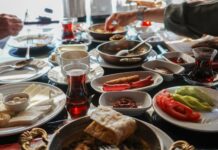
💡 Pro Tip: The breakfast spread is naturally vegetarian-friendly. Eggs, cheese, olives, bread, honey, and vegetables are all standard. A full Turkish kahvaltı is one of the best vegan-adaptable meals in the city if you skip the sucuk and pastırma.
Nişantaşı and Şişli
The upscale northern neighbourhoods have a few vegan-specific spots that opened in 2023 to 2025, primarily serving a health-conscious professional clientele. Menus tend to be more expensive and portions smaller than their Kadıköy equivalents, but quality is generally high.
Foxy Nişantaşı, while not a dedicated vegan restaurant, maintains a vegetarian section on the menu that is worth noting for the quality of ingredients.
Markets as the Best Vegan Resource
Honestly, the best plant-based eating in Istanbul happens at home or in rented apartments using fresh market produce. The ingredients available at Kadıköy Çarşı and Beşiktaş Pazarı are outstanding. Seasonal vegetables, good olive oil, fresh herbs, legumes, and dried fruits are cheap and excellent.
If you have any ability to cook during your stay, the markets should be your first stop.
For more on where to find fresh ingredients, see the local markets guide. Our broader food in Istanbul guide covers everything from street food to fine dining. And if you are exploring Kadıköy for the day, the neighbourhood guide breaks down the best streets and stops.
Know a plant-based spot in Istanbul that is not getting enough attention? Share it in the comments.