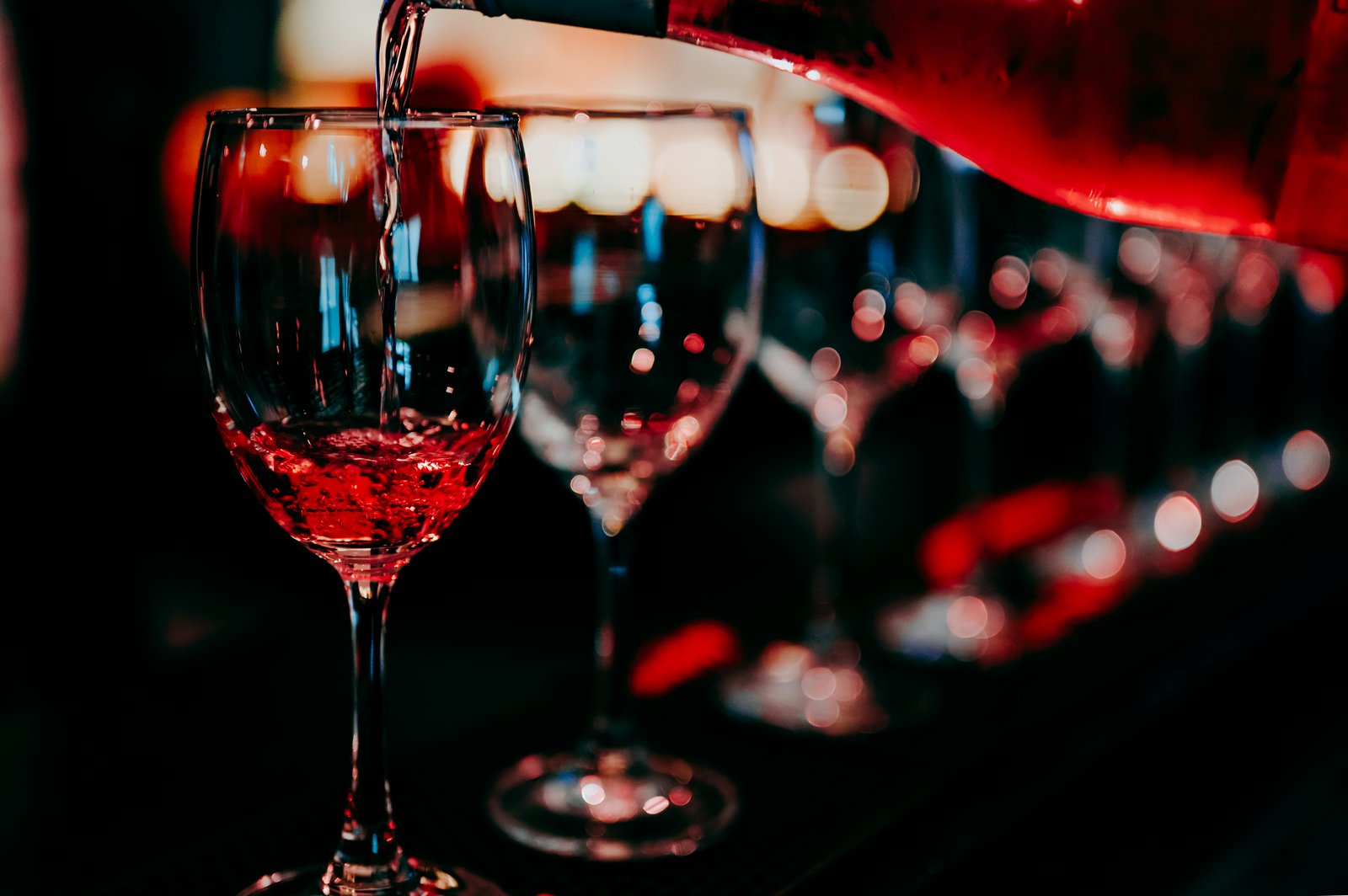
Turkey has been making wine for at least eight thousand years. The country’s viticulture heritage is documented extensively, and the Turkish Ministry of Culture and Tourism recognises wine tourism as part of the national cultural offering., and the modern Turkish wine industry has improved dramatically over the last two decades. Istanbul has a growing wine bar scene that takes local production seriously. You do not need to be a wine expert to enjoy it. You just need to know which neighbourhoods to go to and what names to look for on a menu. This guide covers the best wine bars in Istanbul and a primer on Turkish wine varieties worth trying.
Turkish Wine: The Basics
Turkey has roughly 1,200 indigenous grape varieties, of which only a small fraction are commercially cultivated. The ones you will see most often on Istanbul wine bar menus:
- Öküzgözü: A red from eastern Anatolia. Medium-bodied, fruity, approachable. One of the easiest entry points to Turkish wine.
- Boğazkere: A more tannic, darker red. Often blended with Öküzgözü. Good with meat-heavy meze.
- Narince: A white grape from Tokat. Dry, slightly floral, reasonably acidic. Underrated.
- Emir: Another white, from Cappadocia (Nevşehir). Crisp, mineral-forward, works well with fish and seafood.
- Kalecik Karası: A light red from near Ankara. Strawberry and cherry notes. Comparable to a light Pinot Noir in style.
The major wine regions are Thrace (closest to Istanbul), the Aegean coast around İzmir and Çanakkale, and Central Anatolia. Thracian wines tend to have good structure; Aegean wines lean more aromatic and fruit-forward.
Sensus Wine Bar (Beyoğlu)
Sensus is a long-established wine bar in Beyoğlu, one of the first serious wine-focused venues in the city. The list concentrates on Turkish producers, with a good selection of both natural and conventional wines. The food menu is a solid selection of meze and small plates designed to go with wine rather than fill you up before you get to it.
The setting is cellar-like: low ceilings, brick walls, warm light. It feels deliberately serious about wine without being intimidating. A glass of decent Turkish wine starts at around 400 to 600 TL in 2026; a bottle of something properly good runs 1,500 to 3,500 TL.
💡 Pro Tip: Ask the staff at Sensus what is new or interesting from a producer they are excited about. Wine bar staff here tend to genuinely know the wines and enjoy talking about them. You will get better recommendations that way than pointing at the list.
Solera (Karaköy)
Solera is one of the better wine bars to open in the Karaköy area in recent years. The focus is on natural and minimal-intervention wines from Turkey and Georgia (which has a wine culture closely connected to Anatolian viticulture by geography and history).
The wine list rotates frequently, which means what you drink in June is different from what was there in February. The food is simple: bread, cheese, charcuterie boards, and a few cooked plates. The point is the wine. Come for a long evening, not a quick drink.
Foxy Nişantaşı: Wine and Modern Turkish Food
Foxy in Nişantaşı occupies an interesting middle ground between a restaurant and a wine bar. The wine list is predominantly Turkish, with some European additions, and the food is a well-executed contemporary Turkish menu.
It is more expensive than Sensus or Solera, reflecting the neighbourhood, but the quality justifies the price for a special evening. Dinner with wine runs 2,000 to 3,500 TL per person in 2026. Book ahead on weekends; it fills up.
Natural Wine and the New Istanbul Scene
A subset of Istanbul wine bars have shifted entirely to natural and orange wine over the last three years. These are concentrated in Karaköy, Cihangir, and increasingly Kadıköy. The quality varies more than at established places: natural wine done well is excellent, done carelessly it is faulty.
What to look for at natural wine bars:
- Staff who can explain which producers they are working with and why
- Wine stored properly (not in a warm room or sunlit window)
- A rotating list that changes with seasons and availability
- Honest descriptions of what a wine tastes like, including when it is unusual or challenging
Meyhane vs. Wine Bar: Understanding the Difference
A meyhane is a traditional Turkish tavern built around food, conversation, and usually rakı (anise spirit) rather than wine, though wine is always on the menu. The atmosphere is louder, more communal, and more Istanbul-specific than a wine bar in the European sense.
Wine bars in Istanbul are newer, more internationally influenced, and quieter. The best meyhane experience and the best wine bar experience are not competing for the same evening. If you want a specifically Turkish atmosphere, go to a meyhane. If you want to explore what Turkish winemakers are doing well right now, the wine bars are the right choice.
💡 Pro Tip: Turkish wine is significantly cheaper to drink in Istanbul than in export markets. A bottle you would pay €40 for in London or Amsterdam costs 800 to 1,500 TL (roughly €15 to €29 at 2026 rates) at a wine bar here. It is one of the genuinely good deals of visiting the city.
Pairing Turkish Wine with Istanbul Food
Simple rules that work in practice:
- Emir or Narince with fish, seafood, or cheese meze
- Kalecik Karası with light meze or olive oil dishes
- Öküzgözü with lamb, kebabs, or medium-intensity meat dishes
- Boğazkere or Boğazkere-Öküzgözü blends with rich meat dishes or aged cheese
You can also ask the wine bar to do the pairing for you. Most of the good spots expect this question and give honest answers.
For more on Istanbul’s evening food and drink culture, see our guide to the best bars and nightlife in Istanbul. If you want to pair your wine evening with dinner, the neighbourhood food guide covers Beyoğlu and Karaköy in detail. For more on Turkish food in general, the food guide is a good starting point.
Have a wine bar or a Turkish producer you think deserves a mention? Leave it in the comments.