Shopping in Istanbul is sport, theater, and cultural immersion rolled into one. From the 550-year-old Grand Bazaar — one of the world’s oldest and largest covered markets — to the fragrant aisles of the Spice Market, to the hip boutiques of Galata and Kadıköy, Istanbul offers shopping experiences that range from ancient to cutting-edge. But getting around the commercial landscape requires strategy: knowing where to go, what to buy, when to bargain, and how to avoid getting ripped off. Here’s everything you need.
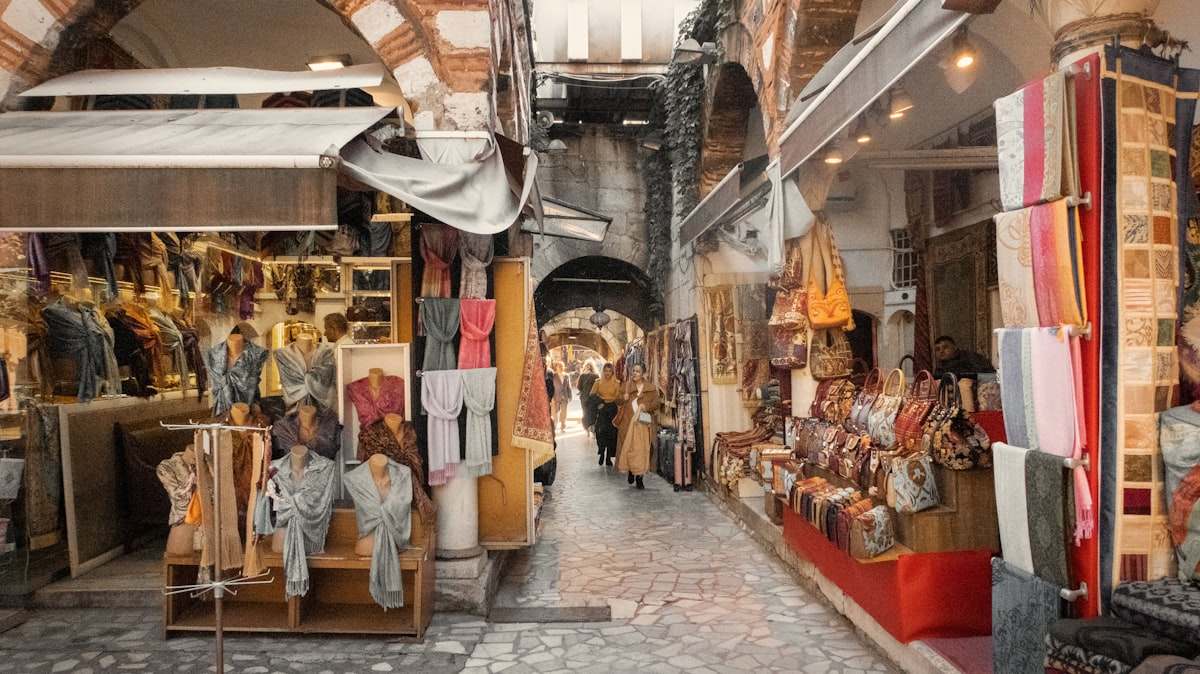
The Grand Bazaar (Kapalı Çarşı)
What it is: A massive covered market with 4,000+ shops across 61 streets. Built in 1461, it’s one of the world’s oldest shopping malls.
Hours: Monday–Saturday, 8:30 AM – 7:00 PM. Closed Sundays.
Entry: Free
Getting there: T1 tram to Beyazıt-Kapalıçarşı
What to Buy at the Grand Bazaar
- Carpets and kilims — Turkey’s most famous export. Quality varies enormously. Genuine hand-knotted Anatolian carpets are investments; machine-made imitations are souvenirs. Ask about materials, knotting technique, and origin.
- Leather goods — Bags, jackets, belts. Quality is generally good, prices negotiable.
- Jewelry — Gold (sold by weight) and silver. Turkish gold jewelry designs are distinctive.
- Ceramics and İznik tiles — Hand-painted tiles and plates make beautiful souvenirs. Genuine İznik tiles (quartz-based) are expensive; cheaper versions use regular clay.
- Textiles — Turkish towels (peştemal), silk scarves, pashminas.
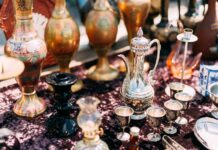
- Lamps — Mosaic glass lamps are iconic. Fragile to transport but stunning.
Bargaining at the Grand Bazaar
Bargaining is expected and is part of the culture. Here’s how to do it effectively:
- Browse first, buy later. On your first visit, just look. Identify what you want and develop a sense of pricing.
- Let the seller make the first offer. Never name your price first.
- Start at 40–50% of the asking price. This is your opening move.
- Be prepared to walk away. The “walk toward the door” move is the most powerful bargaining tool. If the seller doesn’t call you back, your offer was too low.
- Accept tea. Tea is part of the ritual. It creates rapport and moves the conversation to a private area where the seller can give you a better price away from other customers’ ears.
- Don’t rush. Slow bargaining gets better results.
- Best timing: Between 11 AM and 1 PM, when sellers need to start making their daily quota but aren’t yet exhausted.
- Never get angry. Bargaining is a game. Stay calm, smile, and enjoy the process.
What discount to expect: 25–50% off the opening price is typical. Some items have less room for negotiation (gold, quality carpets) while others have more (scarves, mass-produced ceramics).
The Spice Bazaar (Mısır Çarşısı)
What it is: A smaller, more focused market near Eminönü, specializing in spices, teas, Turkish delight, dried fruits, and nuts.
Hours: Daily, 8:00 AM – 7:30 PM
Entry: Free
Getting there: T1 tram to Eminönü
What to Buy
- Turkish delight (lokum) — Buy from shops that make their own. Rose, pistachio, and pomegranate flavors are classics.
- Spices — Sumac, pul biber (red pepper flakes), za’atar, saffron. Prices are lower in the back streets behind the bazaar.
- Turkish tea and herbal teas — Apple tea, pomegranate tea, sage tea.
- Dried fruits and nuts — Apricots, figs, pistachios, hazelnuts. Turkey produces the majority of the world’s hazelnuts.
- Saffron — Real saffron is expensive anywhere. If it seems too cheap, it’s not real.
Bargaining: Less expected here than at the Grand Bazaar, especially for small items with fixed prices. For larger buys, mild negotiation is still possible.
💡 Pro Tip: The shops immediately inside the bazaar entrances are most expensive. Walk deeper in, or better yet, explore the side streets behind the bazaar for better prices.
Beyond the Bazaars: Where Locals Shop
Kadıköy Market (Asian Side)
The best market for foodies. Fresh fish, olives, cheeses, pickles, and produce at local prices. Not a tourist market — this is where Istanbul feeds itself.
Arasta Bazaar (Sultanahmet)
A quieter, more relaxed covered market behind the Blue Mosque. Carpet and ceramic shops with less aggressive selling. Good for browsing without pressure.
İstiklal Caddesi and Galata
Fashion boutiques, independent designers, vintage shops, record stores, and bookshops. The hip side of Istanbul shopping.
Nişantaşı
Istanbul’s upscale shopping district. International luxury brands (Louis Vuitton, Gucci) alongside Turkish designer boutiques. Beautiful architecture and excellent restaurants.
Feriköy Antika Pazarı (Flea Market)
When: Sundays, 8 AM – 6 PM
Where: Feriköy, near Şişli
An authentic flea market with Ottoman antiques, vintage goods, old records, and curiosities. “Zero tourists” according to locals. Arrive early for the best finds.
What NOT to Buy
- “Genuine” designer bags at market stalls — they’re counterfeit.
- Turkish delight in tourist shops near Hagia Sophia — low quality, high prices. Buy from specialty shops like Hafız Mustafa or Ali Muhiddin Hacı Bekir.
- Overpriced “antique” items without provenance — Turkey has strict laws about exporting genuine antiquities.
- Anything from a seller who followed you down the street — high-pressure sales always mean high prices.
Shipping and Customs
- Carpet shops can arrange professional shipping worldwide. Get a receipt with full item description for customs.
- Turkish customs: No export restrictions on most goods. Genuine antiquities (over 100 years old) require permission — reputable dealers handle this.
- Your country’s customs: Check duty-free allowances before loading up. Most countries allow $200–800 in duty-free buys.
Shopping in Istanbul isn’t about buying things — it’s about the human interaction, the ritual of tea and conversation, the thrill of finding something beautiful in a 550-year-old market stall. Buy what you love, bargain with respect, and carry home a story along with every buy.
What’s the best thing you’ve bought in Istanbul? Share below.
—
—
Useful links: Invest in Turkey Official Portal · Borsa Istanbul Stock Exchange
Prices last updated: March 2026. Exchange rate used: 1 USD ≈ 45 TL. Prices in Turkish lira can change frequently due to inflation. Attraction fees set in euros (€) are more stable. Always check official websites for the latest prices before your visit.