Istanbul Pharmacy Guide: Common Medications and Names in Turkish

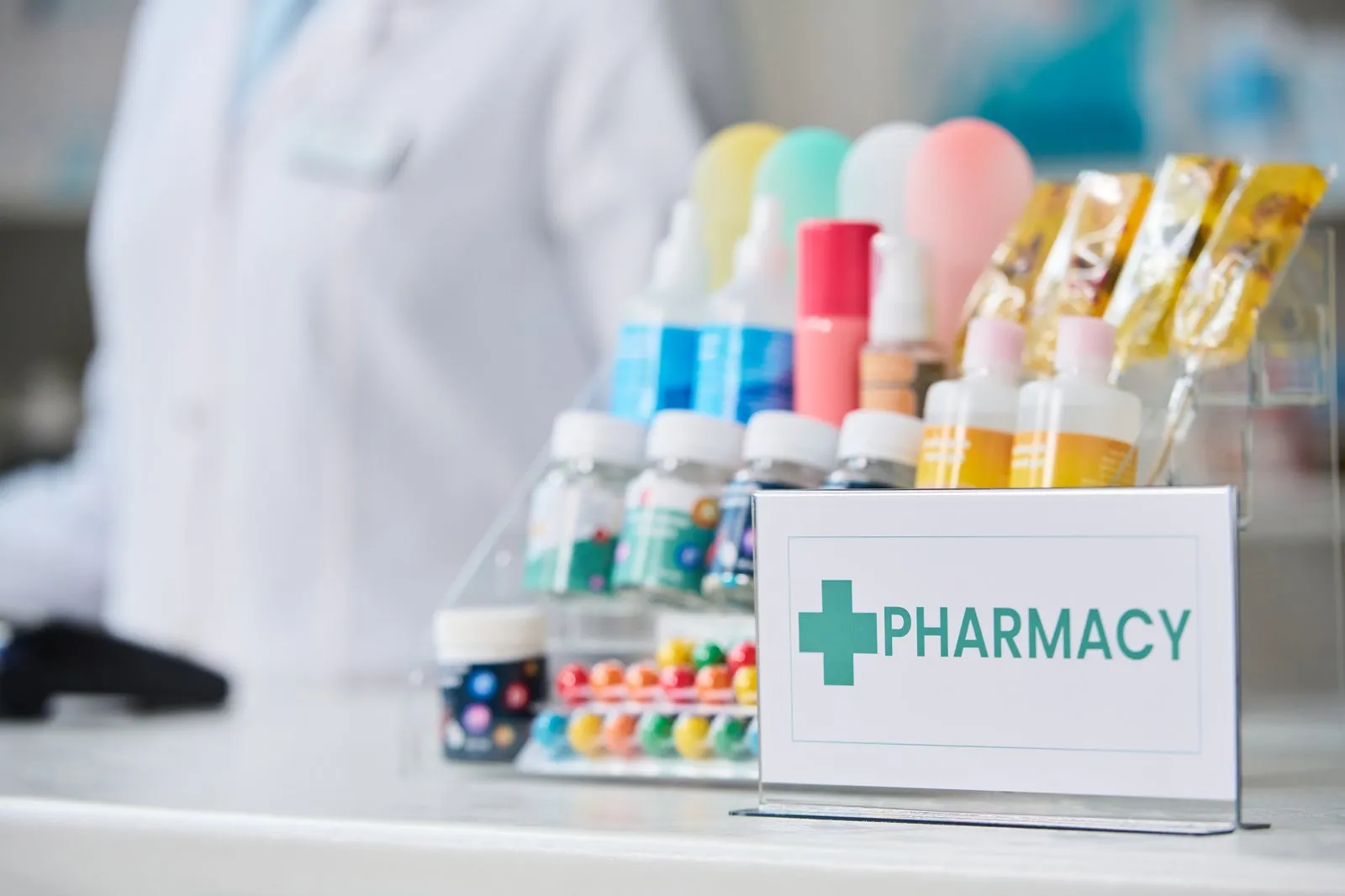
Finding a pharmacy in Istanbul is easy. Knowing what to ask for once you are inside is the harder part. Turkish pharmacies, called eczane, sell many common medicines over the counter, and the pharmacist can often help with minor problems without a doctor’s visit. This guide covers the brand names you will actually see on the shelf, how the nöbetçi (on-duty) night pharmacy system works, and what to do when you need something specific.
Quick answer
Look for the red “E” sign that says “Eczane”. Most pharmacies open around 09:00 to 19:00 on weekdays and Saturdays. At night and on Sundays, one pharmacy in each area stays open as the “nöbetçi eczane”, and you can find it on the official duty pharmacy search or on the notice posted in any closed pharmacy’s window.
In this guide
This guide is general travel information, not medical advice. Always talk to the pharmacist or a licensed doctor before taking any medicine.
Turkish Medicine Names: Quick Table
Show this table to the pharmacist, or use it to read the boxes on the shelf. Brand names are examples only. The pharmacist may offer a different brand with the same active ingredient.
| Problem | Say in Turkish | Active ingredient | Brands you may see |
|---|---|---|---|
| Headache, fever | baş ağrısı, ateş | paracetamol | Parol |
| Cold and flu | soğuk algınlığı, grip | paracetamol combinations | A-ferin, Gripin |
| Muscle or joint pain | kas ağrısı, eklem ağrısı | ibuprofen, diclofenac gel, flurbiprofen | Profen, Voltaren gel, Majezik |
| Sore throat | boğaz ağrısı | throat spray or lozenges | ask for “boğaz spreyi” or “pastil” |
| Diarrhoea | ishal | oral rehydration salts, diosmectite | ORS, Smecta |
| Stomach cramps | mide krampı | hyoscine butylbromide | Buscopan |
| Allergy, hay fever | alerji | cetirizine, loratadine | Cetryn, Allerset, Claritine |
| Insect bites | böcek ısırığı | dimetindene gel | Fenistil |
| Sunburn, dry skin | güneş yanığı | panthenol | Bepanthen |
What Eczane Means and How to Find One
Pharmacies in Turkey use a sign with a red “E” and the word “Eczane”. In central Istanbul districts like Beyoğlu, Kadıköy, Şişli and Sultanahmet, you will rarely walk more than five minutes without passing one. Most pharmacies open Monday to Saturday, roughly 09:00 to 19:00, and close on Sundays. Exact times vary by pharmacy, so check the door sign.
How Night Pharmacies (Nöbetçi Eczane) Work
Every district has duty pharmacies that stay open at night, on Sundays and on public holidays. They take turns, so the open pharmacy changes every day. Here is how it works:
- The duty shift runs from 09:00 to 09:00 the next morning. The Istanbul Chamber of Pharmacists publishes the daily list by district.
- Check the window of any closed pharmacy. It will show a notice with the name, address and phone number of the nearest nöbetçi eczane.
- Search online. Use the official duty pharmacy search on e-Devlet (choose İstanbul, then the district or “ilçe”), or the Chamber of Pharmacists’ website and app.
- Ring the bell if the door is shut. Late at night, some duty pharmacies serve customers through a small window or ask you to ring.
- Bring the box or a photo. It is the fastest way to get the right product.
The old address eczaneler.gov.tr that some guides mention no longer works, so use the links above instead.
For a real emergency, do not wait for a pharmacy. Call 112, the free emergency number in Turkey.
Common Cold and Flu Medications
If you have a cold or flu, you will see A-ferin and Gripin everywhere. They come in several versions with different ingredients, so read the box or ask the pharmacist which one fits you.
- A-ferin: cold and flu tablets. The common “Forte” version combines paracetamol with an antihistamine (chlorphenamine), which can make you sleepy.
- Gripin: a very common cold tablet. The classic version contains paracetamol and caffeine. Other versions, such as Gripin Hot, add a decongestant.
- Aspirin: widely available.
- Ibuprofen: sold under local brands such as Profen. Ask for “ibuprofen” and the pharmacist will show you what they have.
- For sore throat: ask for boğaz spreyi (throat spray) or pastil (lozenges).
Pain Relief and Anti-Inflammatories
For muscle pain, back pain or sore joints, Voltaren gel (diclofenac) is easy to find and is the same product you may know from home. Tablets are a different matter: oral diclofenac is a prescription medicine in Turkey, even if some pharmacies hand it over in practice. The pharmacist decides, so don’t expect to buy stronger tablets just by asking.
- Voltaren gel: diclofenac, for muscle and joint pain
- Naproxen: an anti-inflammatory sold under local brand names. Ask the pharmacist.
- Parol: Turkish brand paracetamol (500 mg), very widely used
- Majezik: flurbiprofen, another anti-inflammatory that is commonly stocked
Stomach and Digestive Issues
Istanbul food is rich, and stomach upsets happen. The most useful product to know is ORS, oral rehydration salts. Ask for it by that name or as elektrolit tozu (electrolyte powder). It comes in sachets and is sold over the counter.
- ORS / elektrolit tozu: rehydration salts for diarrhoea and vomiting
- Smecta: a clay-based powder (diosmectite) for diarrhoea
- Buscopan: for stomach cramps
- Enterogermina: probiotic drinks in small vials
- For constipation: ask for kabızlık ilacı or lactulose syrup (Duphalac)
If you have a high fever, blood in your stool or can’t keep fluids down, see a doctor instead of relying on the pharmacy.
Allergy and Skin Medications
Spring in Istanbul is beautiful but hard on allergy sufferers. Cetirizine (brands such as Cetryn or Allerset, or ask for “setirizin”) and loratadine (Claritine) are easy to find. For skin rashes, ask the pharmacist which cream suits you, as some creams contain steroids.
- Cetirizine: antihistamine, sold under several local brands
- Claritine: loratadine, another antihistamine
- Fenistil: dimetindene gel, for insect bites and local skin reactions
- Bepanthen: panthenol cream, for minor skin irritation and sunburn
What Requires a Prescription in Turkey
Antibiotics in Turkey need a prescription, and Turkey uses an electronic prescription system. Do not expect to walk in and buy amoxicillin over the counter. Strong painkillers, sleeping pills and many other medicines also need a prescription. If you need one, a private clinic or hospital can usually see you the same day. Consultation fees vary a lot by clinic, so check the price when you book.
Medicine prices in Turkey are set by the state, so the same product usually costs the same at every pharmacy.
Bringing Your Own Medicines
If you take regular medicine, bring enough for your trip in the original packaging, with a copy of your prescription and a letter from your doctor that lists the generic (active ingredient) name and dose. The US State Department’s Türkiye page warns that some medicines, such as strong painkillers, sedatives and ADHD medicines, are tightly controlled. Check the rules before you travel.
Turkish pharmacists can match most medicines by active ingredient even if the brand name is different. This matters for blood pressure, blood thinners and thyroid medicines, which may have completely different Turkish brand names.
What to Do When You Cannot Find What You Need
If the pharmacy near you does not have something, ask: “Başka eczanede var mı?” (Is it at another pharmacy?). They can often check with their supplier and tell you which nearby pharmacy has it.
Useful Turkish Pharmacy Phrases
Most pharmacists in central Istanbul speak basic English. In quieter neighborhoods, these phrases help.
- Eczane nerede? Where is the pharmacy?
- Nöbetçi eczane nerede? Where is the duty pharmacy (open now)?
- Bunu arıyorum. I am looking for this (show your phone screen).
- Reçetesiz satılıyor mu? Is this available without a prescription?
- Yan etkisi var mı? Are there side effects?
- Günde kaç kere? How many times a day?
If you are dealing with a more serious health situation, read our Istanbul safety guide for tourists. For life in the city as a newcomer, see our post on moving to Istanbul as an expat. And if you need to know about hospitals and how the public and private systems work, our healthcare guide covers all of that.
Questions people ask
How do I find a 24-hour pharmacy in Istanbul?
Look for the nöbetçi eczane (duty pharmacy). The address is posted in the window of every closed pharmacy, and you can search by district on the official e-Devlet duty pharmacy page or the Istanbul Chamber of Pharmacists website.
What time do pharmacies close in Istanbul?
Most close around 19:00 on weekdays and Saturdays and stay closed on Sundays. Duty pharmacies cover nights, Sundays and holidays.
Can I buy antibiotics without a prescription in Turkey?
No. Antibiotics need a prescription. A private clinic or hospital can see you and write one if a doctor thinks you need it.
Do Istanbul pharmacists speak English?
Many in central and tourist areas speak some English. Showing the box, the active ingredient or a translated phrase on your phone helps a lot.
Last updated: November 2026. This is general information, not medical advice. Consult a licensed doctor or pharmacist about your own health.

Written by Deniz
Deniz is a video producer living in Kağıthane who explores a new corner of Istanbul every week and writes the practical guides she wishes friends had before visiting.