Healthcare in Istanbul: Hospitals, Insurance, and What Expats Need to Know
Everything expats need to know about healthcare in Istanbul: hospitals, insurance options, SGK, costs, and how to navigate the system in 2026.

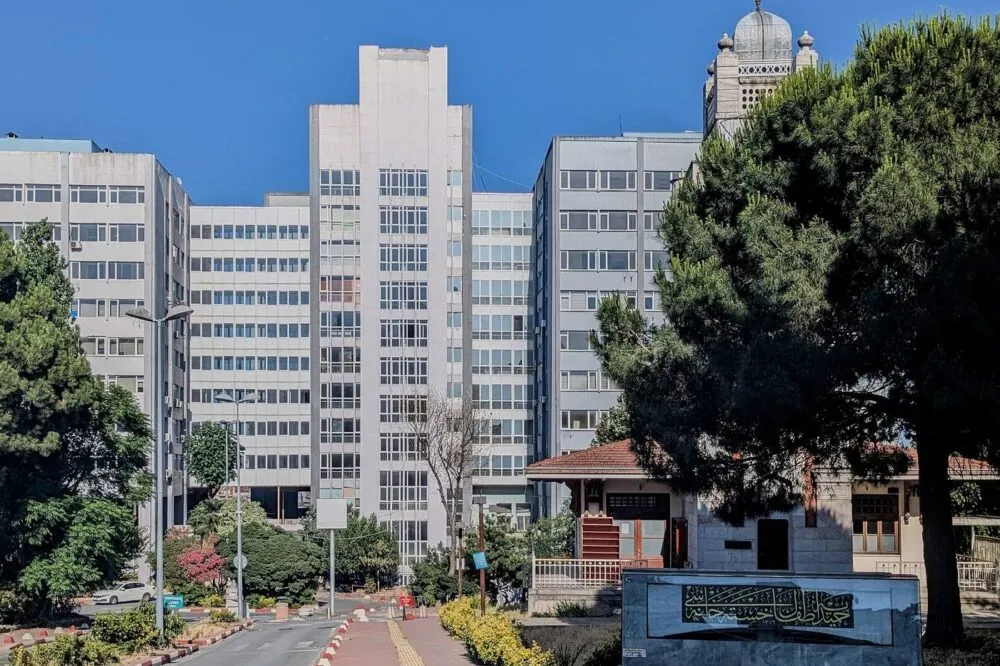
Şişli Etfal, a public hospital in Istanbul. Photo: Vano111ru, via Wikimedia Commons (CC BY 4.0).
There’s a moment that hits every expat eventually: you wake up at 2 AM with a splitting headache, or your kid spikes a fever, or you take a bad fall on one of Istanbul’s famously uneven sidewalks, and suddenly you need to figure out the healthcare system. Fast. The good news: Istanbul has genuinely excellent medical facilities, many of which cater specifically to international patients with English-speaking staff. The not-so-good news: understanding which insurance covers what, getting around public vs. private systems, and figuring out costs requires some homework. This guide covers healthcare in Istanbul for expats, from emergency rooms to routine check-ups, insurance options, and what you’ll actually pay.
Istanbul’s Healthcare System: The Overview
Turkey’s healthcare system has two parallel tracks:
Public Healthcare (SGK System):
Managed by the Social Security Institution (SGK), covering about 98% of Turkish citizens. Public hospitals (devlet hastanesi) provide a wide range of services. Quality has improved dramatically in the past two decades, though wait times can be long and English-speaking staff are rare.
Private Healthcare:
Istanbul has some of the best private hospitals in the region, many JCI-accredited (Joint Commission International, the global gold standard for hospital accreditation). Private hospitals offer shorter wait times, better facilities, and English-speaking doctors, but at a lot higher cost.
For expats, the decision between public and private (and the insurance that covers each) is the most important healthcare choice you’ll make.
Top Hospitals for Expats
Private Hospital Groups (English-speaking, international patient departments):
| Hospital | Location(s) | Notable For |
|---|---|---|
| Acıbadem | Multiple (Altunizade, Bakırköy, Kadıköy, Maslak) | Largest private chain; JCI-accredited; full range of specialties |
| Memorial | Şişli, Bahçelievler, Ataşehir | Strong surgery and oncology; international patient services |
| Anadolu Medical Center | Gebze (Asian side, outside central Istanbul) | Affiliated with Johns Hopkins Medicine; oncology center of excellence |
| American Hospital (Koç) | Nişantaşı | Oldest private hospital in Turkey (1920); premium service |
| Liv Hospital | Ulus, Vadistanbul | Modern facilities; transplant and cardiac surgery |
| Medipol Mega | Bağcılar | University hospital; 24/7 emergency; large capacity |
| Florence Nightingale | Şişli, Kadıköy | Multi-specialty; long established |
| International Hospital (Acıbadem) | Yeşilköy (near airport) | Convenient for medical tourists; international staff |
Public Hospitals Worth Knowing:
- Istanbul University Faculty of Medicine (Çapa Hospital): Turkey’s oldest medical school; excellent specialists but very crowded.
- Cerrahpaşa Medical Faculty: Strong in surgery and emergency care.
Insurance Options for Expats
Option 1: Private Health Insurance (Most Common for Expats)
Private insurance is required by law for residence permit applications and is the most practical option for most expats, at least in the first year.
What to expect:
- Basic plans covering hospitalization + emergency: $50–$150/month
- Complete plans (outpatient + inpatient + dental): $150–$500/month
- Premium international plans (global coverage + repatriation): $300–$1,000/month
- Costs increase a lot with age (40+ sees a jump)
Major insurers for expats in Turkey:
- Allianz Turkey
- Axa Turkey
- Groupama
- Mapfre
- Acıbadem Sigorta (tied to Acıbadem hospital network)
- International options: Cigna Global, Bupa International, Pacific Prime
The 2025 Reform: Turkey implemented significant changes to foreign resident health insurance effective April 1, 2025. Key changes include mandatory minimum coverage limits, state-supervised insurance standards, and phasing out of cheap “residence permit only” policies that previously offered minimal actual coverage. This means compliant insurance now costs more but actually protects you.
Option 2: SGK (Public Health Insurance)
The Social Security Institution provides Turkey’s universal public insurance.
Eligibility for foreigners:
- Employed in Turkey: Your employer deducts SGK contributions from your salary (employee pays ~14% of gross salary; employer pays ~20.5%).
- Voluntary enrollment: Foreigners with a residence permit can enroll after 1 year of residence and pay monthly premiums.
- Voluntary SGK cost: foreigners pay a share of the national gross minimum wage, reported as 24%. With the 2026 gross minimum wage of 33,030 TL, that works out to roughly 7,900 TL/month (about $160). Check the current amount with SGK before you budget.
What SGK covers: Doctor visits, hospital stays, emergency services, prescriptions, laboratory tests, and some dental care at public hospitals and SGK-contracted private facilities.
What SGK doesn’t cover well: Wait times for specialist appointments can be weeks. English-speaking doctors are uncommon. Elective procedures and premium facilities require co-payments or aren’t covered.
Common Medical Costs (Without Insurance)
For context on what things cost if you’re paying out of pocket:
| Service | Cost (TL) | Cost (USD) |
|---|---|---|
| GP consultation (private) | 1,000–2,500 TL | $20–$50 |
| Specialist consultation (private) | 1,500–4,000 TL | $30–$80 |
| Emergency room visit (private) | 2,000–5,000 TL | $40–$100 |
| Blood panel / lab tests | 500–2,000 TL | $10–$40 |
| Dental cleaning | 1,000–2,500 TL | $20–$50 |
| Dental filling | 1,500–3,000 TL | $30–$60 |
| MRI scan | 3,000–8,000 TL | $60–$160 |
| Routine eye exam | 500–1,500 TL | $10–$30 |
Even without insurance, many private hospital procedures in Istanbul cost a fraction of US/UK prices, which is exactly why medical tourism is booming here.
Pharmacies and Medications
Turkish pharmacies (eczane) are plentiful and pharmacists are knowledgeable. Many medications that require prescriptions in the US or UK are available over the counter in Turkey. Common medications are a lot cheaper.
- Pharmacy hours: Most open 8:30 AM–7 PM weekdays. Each neighborhood has a rotating 24-hour duty pharmacy (nöbetçi eczane). Google “nöbetçi eczane [your neighborhood]” to find tonight’s.
- Prescriptions: For controlled medications, you’ll need a Turkish doctor’s prescription. Bring your home country prescriptions for reference.
- Cost: Antibiotics might cost 50–200 TL ($1–$4). Pain medication: 30–100 TL ($0.60–$2). Most basic medications are very affordable.
Emergency Situations
Emergency number: 112 (ambulance, police, fire and all other emergencies)
What to know:
- Public ambulances are free but response times vary widely (5 minutes to 45+ in traffic).
- Private hospitals accept walk-in emergencies. You can take a taxi directly to the nearest private ER if you prefer.
- Emergency care at any hospital (public or private) must be provided regardless of insurance status or ability to pay, though you’ll be billed afterward.
- If you’re insured, call your insurance provider’s emergency line first. They can direct you to a covered facility and authorize treatment.
Dental Care
Istanbul’s dental care deserves special mention because it’s genuinely world-class and dramatically cheaper than Western alternatives:
- Routine cleaning: 1,000–2,500 TL ($20–$50)
- Filling: 1,500–3,000 TL ($30–$60)
- Root canal: 3,000–6,000 TL ($60–$120)
- Implant (single tooth): 15,000–35,000 TL ($300–$700)
- Veneer (per tooth): 5,000–15,000 TL ($100–$300)
Many private dental clinics cater specifically to international patients. For major dental work, see our dedicated dental tourism guide.
Mental Health
An often-overlooked aspect of expat healthcare:
- English-speaking therapists are available in Istanbul, especially in Beyoğlu, Beşiktaş, and Kadıköy.
- Session costs: 1,500–4,000 TL ($30–$80) for a 50-minute session.
- Online therapy platforms like BetterHelp work from Turkey.
- The expat adjustment period is real. Culture shock, isolation, and language barriers can compound. Don’t wait to seek help.
- Some private insurance plans include mental health coverage, so check your policy.
What to Avoid
- Don’t assume your home country insurance works in Turkey. Most domestic health plans have limited or no international coverage. Verify before you need it.
- Don’t skip health insurance to save money. It’s both legally required for residence permits and practically essential. A hospital stay can cost tens of thousands of lira without coverage.
- Don’t ignore the insurance reform. Cheap “paper only” policies no longer meet residence permit requirements. Make sure your policy complies with 2025 standards.
- Don’t go to public ER for non-emergencies. Wait times are brutal. For non-urgent issues, book a private appointment.
- Don’t forget to carry your insurance card and passport. You’ll need both at any medical facility.
The Bottom Line
Healthcare in Istanbul is a genuine strength of the city for expats. The private hospital network is excellent, English-speaking medical professionals are accessible, and costs, even out of pocket, are far below Western standards. The key is having the right insurance setup: compliant private insurance for your residence permit, with SGK as a supplement if you’re employed. Get this right, and you’ll have access to better healthcare than many people enjoy in far more expensive cities.
What’s been your experience with healthcare in Istanbul? Any hospital recommendations or insurance tips? Share in the comments.
Prices checked November 2026. 1 USD is about 50 TL and 1 EUR is about 55 TL. Prices change often, so check before you go. Attraction fees set in euros (€) are more stable.

Written by Can
Can writes about everyday life in Istanbul: rent, visas, transport, work and the small things that make settling in easier.