Istanbul’s best food shopping happens at its neighbourhood markets, not the supermarkets. The city runs on a network of weekly semt pazarı (district markets) plus a handful of permanent covered bazaars that have operated for centuries. You can get cheaper, fresher produce here than almost anywhere else. This guide covers the markets worth making a trip for, what to buy at each one, and a few practical tips so you don’t end up walking home with three kilos of aubergine and nowhere to put them.
Kadıköy Çarşı: The One Everyone Should Visit at Least Once
If you only go to one market in Istanbul, go to Kadıköy Çarşı on the Asian side. It runs every day, and the covered market streets around Yoğurtçu Park are packed with fishmongers, cheese vendors, spice sellers, pickle shops, and butchers.
The cheese section is the main event. Look for aged tulum from Erzincan, fresh lor (a soft whey cheese similar to ricotta), and smoked çerkes peyniri (Circassian cheese). Vendors let you taste before you buy. Budget around 400 to 800 TL per kilo for quality aged cheese in 2026.
The fish market here is the best in the city for variety. Locals shop early. If you arrive after 11am on a weekend, the best cuts are gone.
💡 Pro Tip: Cross to Kadıköy by ferry from Karaköy or Eminönü. The ferry costs 53 TL with an Istanbulkart and takes about 20 minutes. It is a better experience than the metro and you arrive right next to the market.
Beşiktaş Pazarı: The Closest Good Market to the European Centre
Beşiktaş Pazarı runs on Saturdays and Tuesdays on the European side, a short walk from the waterfront and the Beşiktaş ferry terminal. It is smaller than Kadıköy but the quality is high.
Look for seasonal fruit from the Aegean region, bundles of fresh herbs, and the vendor stalls selling homemade products like walnut paste and grape molasses. The streets around the main market square also have a good selection of dried legumes and grains sold by weight.
The Saturday market draws more of a local crowd than the tourist-facing bazaars. Prices are honest and haggling is not expected at fixed-price stalls, though you can ask for a small discount if you are buying in quantity.
Egyptian Spice Bazaar (Mısır Çarşısı): Best for Spices and Turkish Delight
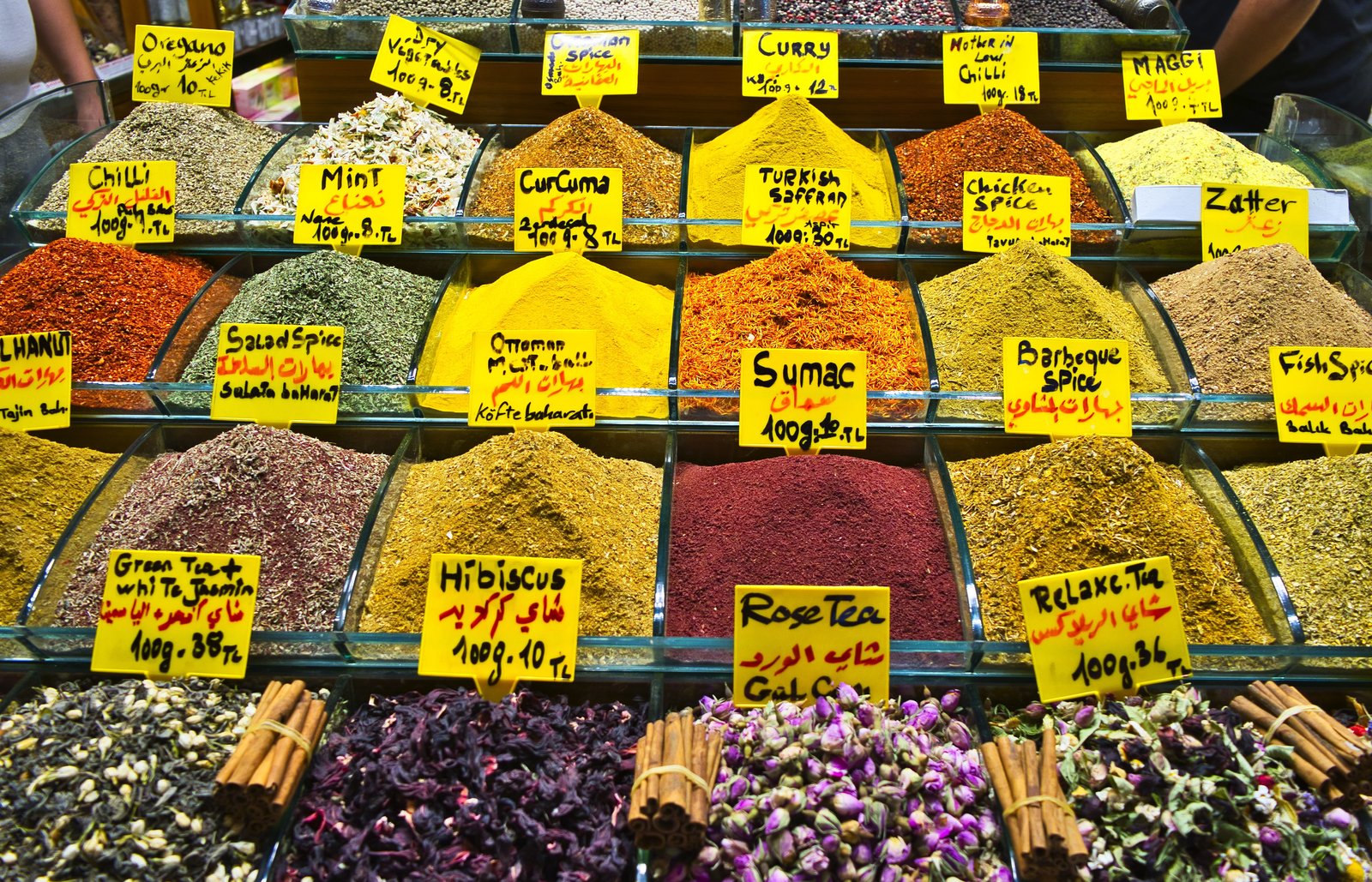
The Egyptian Spice Bazaar in Eminönü has been operating since 1664. It is touristy, yes, but the products are real and the quality at the better stalls is genuinely good.
What to buy here:
- Saffron: Turkish saffron from Safranbolu is cheaper here than in most of Europe. Check that you are buying real saffron threads, not dyed corn silk.
- Dried herbs and teas: Ihlamur (linden), sage, and rosehip are excellent quality and cost a fraction of what you pay in health food shops abroad.
- Turkish delight: Ali Muhiddin Hacı Bekir, founded in 1777 and the oldest confectionery in the city, has a branch just outside the bazaar on Hamidiye Caddesi. Their plain rose and mastic varieties are the benchmark.
- Dried fruits and nuts: Look for Antep pistachios, dried figs from Aydın, and Malatya apricots.
Prices at the bazaar vary a lot between stalls. The ones near the entrance charge tourists more. Walk to the back and compare.
💡 Pro Tip: The market along the outside of the bazaar, along the water toward Galata Bridge, sells fresh fish, vegetables, and herbs at standard market prices with none of the tourist markup. Worth a loop before you go in.
Fatih Çarşamba Pazarı: The City’s Biggest Weekly Market
Every Wednesday, the streets around Fatih Mosque fill up with what is arguably the largest open-air market in Istanbul. Fatih Çarşamba Pazarı runs along several streets and covers clothing, household goods, and a large food section.
The food stalls sell everything: fresh vegetables, cured meats, yoghurt sold from large barrels, homemade butter, and village-style cheese brought in from producers in Central Anatolia. If you want to see how much of Istanbul’s working-class population actually shops for food, this is it.
It is a long walk from Taksim, so plan to take the metro to Yenikapı and a bus from there, or use the tram to Aksaray.
Organik Pazarlar: Farmers’ Markets for Certified Produce
Istanbul has a growing network of certified organic markets. The most established are in Şişli (Saturday), Nişantaşı (Sunday), and Bahçeşehir. Prices are higher than regular markets but you are buying directly from small producers, and the variety of heirloom vegetables and artisan dairy is genuinely different.
Look for köy yumurtası (village eggs) with deep orange yolks, small-batch olive oil from the Aegean, and fermented products like natural-process pickles and aged white cheese in brine.
What to Know Before You Shop
- Bring a bag. Most market vendors do not provide plastic bags, and if they do, it is a flimsy one.
- Bring cash. Most stalls are cash-only. Have small bills ready.
- Morning is better. Markets start winding down by noon and many vendors leave by 1pm.
- Seasonal is the point. Do not come in July looking for winter citrus. Buy what is piled high.
- The best olives come from vendors who let you taste. A good mixed olive selection costs around 200 to 350 TL per kilo in 2026.
Markets to Pair with a Neighbourhood Walk
Most of Istanbul’s weekly markets sit in residential neighbourhoods that are worth exploring beyond the stalls. Kadıköy pairs naturally with a walk along the waterfront and coffee on Moda Caddesi. Beşiktaş sits next to a small park and the ferry pier. Fatih puts you near some of the city’s oldest mosques and the old Byzantine land walls.
The market is the anchor, not the whole trip. Give yourself at least two hours per neighbourhood.
If you want to know how to eat well while exploring, read our guide to eating like a local in Istanbul. And if the Spice Bazaar has you thinking about a cooking session, check out our post on the best cooking classes in Istanbul for hands-on options. For where to use your fresh market finds, our neighbourhood food guides break things down by district.
For official listings of Istanbul’s covered markets and historic bazaars, the Istanbul Metropolitan Municipality maintains a visitor information portal. The Egyptian Spice Bazaar’s history is also documented on the Turkish Ministry of Culture and Tourism site.
Questions about a specific market or neighbourhood? Drop them in the comments and I will try to help.