Studying in Istanbul: Universities, Programs, and Student Life
Complete guide to studying in Istanbul: top universities, English programs, tuition costs, student visas, and what campus life is really like in 2026.


There’s something surreal about studying for your economics exam while looking out at the Bosphorus from Boğaziçi University’s hilltop campus: cargo ships sliding past, seagulls wheeling overhead, the faint smell of roasted chestnuts drifting up from the waterfront. Istanbul is home to some of Turkey’s most respected universities, dozens of English-taught programs, and a student culture that revolves around tea-fueled study sessions, loud cafés, and surprisingly affordable living. Whether you’re considering a full degree, a semester exchange, or a language program, studying in Istanbul is one of the smartest ways to experience this city. Here’s everything you need to know.
Why Study in Istanbul?
- Affordable tuition: Even private university fees are a fraction of US or UK costs, and programs start from around $3,000/year.
- English-taught programs: Most top private universities and several public ones offer full degrees in English.
- Cultural immersion: You’re not studying in a bubble. Istanbul’s 16 million people, two continents, and millennia of history are your extended classroom.
- Strategic location: Direct flights to Europe, the Middle East, Central Asia, and beyond. Perfect for weekend trips.
- Growing international community: Over 200,000 international students study in Turkey, with Istanbul absorbing the largest share.
Top Universities in Istanbul
Public Universities (Highly Competitive, Low Tuition):
| University | Notable For | Language | Annual Tuition (International) |
|---|---|---|---|
| Boğaziçi University | Turkey’s top public university; engineering, social sciences | English | $500–$1,500 |
| Istanbul Technical University (ITU) | Engineering, architecture, technology | Turkish + some English | $500–$1,500 |
| Istanbul University | Turkey’s oldest (1453); medicine, law, humanities | Mostly Turkish | $500–$1,500 |
| Marmara University | Business, education, multilingual programs | Turkish/English/Arabic | $500–$1,500 |
| Yıldız Technical University | Engineering, applied sciences | Turkish + some English | $500–$1,500 |
Private Universities (Easier Admission, Higher Tuition, Mostly English):
| University | Notable For | Annual Tuition (International) |
|---|---|---|
| Koç University | Turkey’s top private; research-driven; strong MBA | $12,000–$20,000 |
| Sabancı University | Innovation-focused; engineering, business | $12,000–$20,000 |
| Özyeğin University | Entrepreneurship, AACSB-accredited business | $8,000–$15,000 |
| Bahçeşehir University (BAU) | Multiple global campuses; diverse programs | $6,000–$12,000 |
| Istanbul Bilgi University | Arts, media, social sciences; central campus | $5,000–$10,000 |
| Kadir Has University | Business, law, engineering; Golden Horn campus | $5,000–$10,000 |
| Yeditepe University | Engineering, health sciences; Asian side campus | $5,000–$12,000 |
| MEF University | Flipped classroom model; innovative teaching | $5,000–$10,000 |
Admission Process for International Students
Most Turkish universities accept international students through one of these routes:
- YÖS Exam: Turkey’s Foreign Student Exam, a standardized test many public universities require. Each university may set its own version.
- SAT / ACT: Accepted by most private universities and some public ones.
- National exam equivalents: IB, A-Levels, Abitur, Baccalauréat, and other national diplomas are widely accepted at private universities.
- Direct application: Many private universities have their own application portals and accept students based on transcripts and English proficiency.
English proficiency requirements: TOEFL (typically 79+ iBT) or IELTS (6.0–6.5+) for English-taught programs. Some universities offer their own English proficiency exams.
Application timeline: Most programs open applications in March–June for the September intake. Apply early, because scholarships fill up fast.
Student Visa and Residency
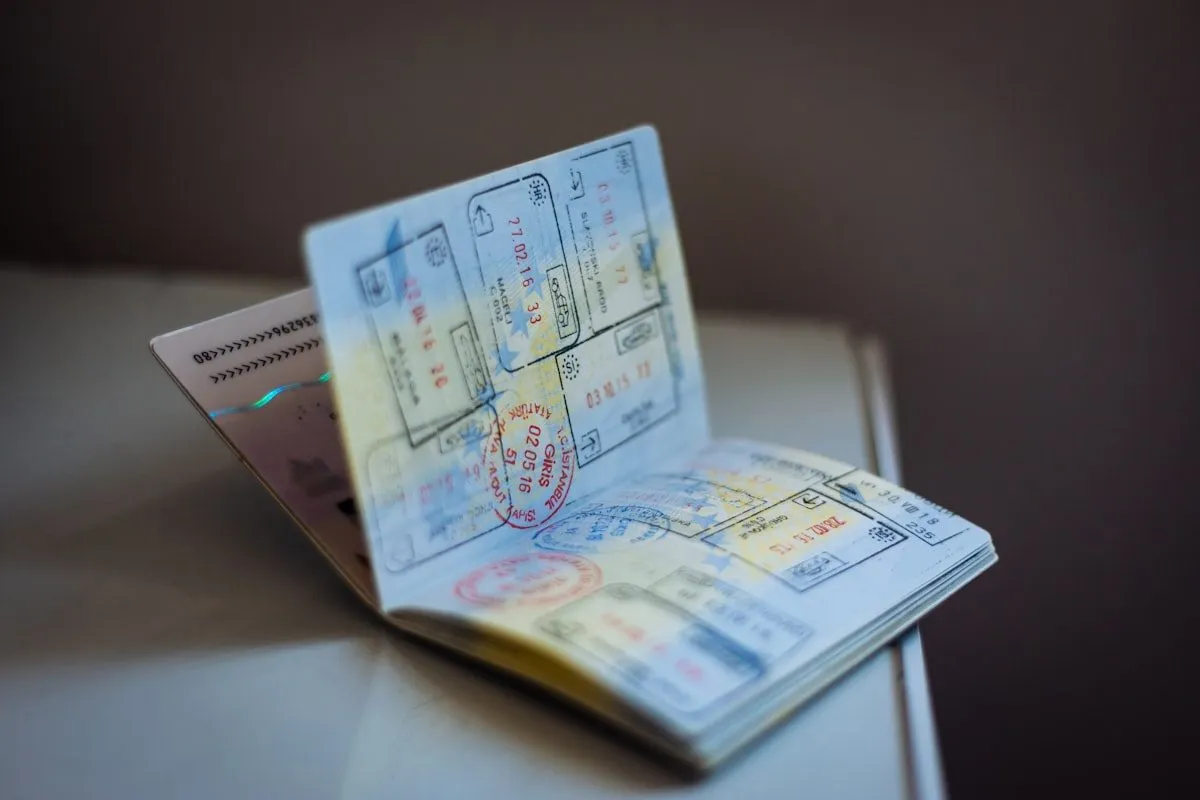
International students need a student visa (öğrenci vizesi) before arriving in Turkey. Here’s the process:
- Get your acceptance letter from a Turkish university.
- Apply at a Turkish embassy/consulate in your home country. Student visas cannot be obtained as e-Visas.
- Required documents: Valid passport, acceptance letter, proof of financial means (bank statement), health insurance, biometric photos. Some consulates require a medical certificate or criminal background check.
- Pay the visa fee (varies by nationality, typically $50–$100).
- After arrival: Apply for a student residence permit (öğrenci ikamet izni) through the e-ikamet system within 30 days of arrival.
Your student residence permit lasts for the duration of your program and allows you to stay legally, open a bank account, and access student discounts.
Student Cost of Living
Students typically live cheaper than working expats, especially with access to university canteens and dorms.
| Expense | Monthly Cost (TL) | Monthly Cost (USD) |
|---|---|---|
| University dormitory | 3,000–8,000 TL | $60–$160 |
| Shared apartment (per person) | 8,000–15,000 TL | $160–$300 |
| University canteen (daily lunch) | 50–100 TL/day = 1,500–3,000 TL/month | $30–$60 |
| Groceries + cooking | 4,000–7,000 TL | $80–$140 |
| Transport (student Istanbulkart) | 700–1,000 TL | $14–$20 |
| Phone (student plan) | 200–400 TL | $4–$8 |
| Books + supplies | 500–1,500 TL | $10–$30 |
| Entertainment | 2,000–5,000 TL | $40–$100 |
| Total (budget student) | ~15,000–25,000 TL | $300–$500 |
KYK (government dormitories) are the cheapest housing option at 1,500–3,000 TL/month but have limited spots and are basic. University-run dorms are a step up. Most international students end up in shared apartments near campus.
Student Life in Istanbul
Study culture: Turkish students study hard. Exam seasons are intense, and library seats at Boğaziçi or Koç fill up early. But outside exams, the social scene is vibrant. Tea breaks are sacred, and you’ll bond with classmates over endless glasses of çay.
Best student neighborhoods:
- Bebek/Rumelihisarı: Near Boğaziçi University, with waterfront cafés, upscale vibe
- Kadıköy: Near Marmara and Yeditepe universities, budget-friendly, lively nightlife
- Maslak/Sarıyer: Near Koç University, more suburban, modern campuses
- Beyoğlu/Cihangir: Near BAU and Bilgi, urban, cultural, walking distance to İstiklal
Clubs and activities: Turkish universities have incredibly active student clubs, from debate societies to hiking clubs to traditional folk dance groups. Joining a club is the single fastest way to make Turkish friends.
Part-time work: International students can work part-time (up to 24 hours/week on a student permit) after their first year. Common options include English tutoring, translation, café work, and social media jobs. Pay rates are modest in TL but help cover daily expenses.
Scholarships
- Türkiye Scholarships (Türkiye Bursları): The Turkish government’s flagship scholarship for international students. It covers tuition, places to stay, a monthly stipend (the amount depends on study level, so check the official site), health insurance, and even Turkish language courses. Highly competitive but worth applying.
- University-specific scholarships: Most private universities offer merit scholarships covering 25–100% of tuition. Apply early.
- Erasmus+: European students can study at partner Turkish universities through Erasmus exchange programs.
What to Avoid
- Don’t assume all programs are in English. Verify the language of instruction for your specific department. Some universities list programs as “English” when only part of the coursework is.
- Don’t skip the student Istanbulkart. Register for a student transit card. It gives substantial discounts on public transport.
- Don’t ignore Turkish language courses. Even if your program is in English, basic Turkish transforms your daily life, from ordering food to making friends.
The Bottom Line
Studying in Istanbul gives you a world-class education at a fraction of Western costs, wrapped in one of the most culturally rich cities on earth. The combination of affordable living, strong universities, and unforgettable city life makes it a genuinely compelling option, especially for students willing to step outside the typical US/UK/Australia study-abroad circuit.
Are you considering studying in Istanbul? Let me know your field of study and I’ll point you toward the best programs.
Prices checked November 2026. 1 USD is about 50 TL and 1 EUR is about 55 TL. Prices change often, so check before you go. Attraction fees set in euros (€) are more stable.

Written by Can
Can writes about everyday life in Istanbul: rent, visas, transport, work and the small things that make settling in easier.