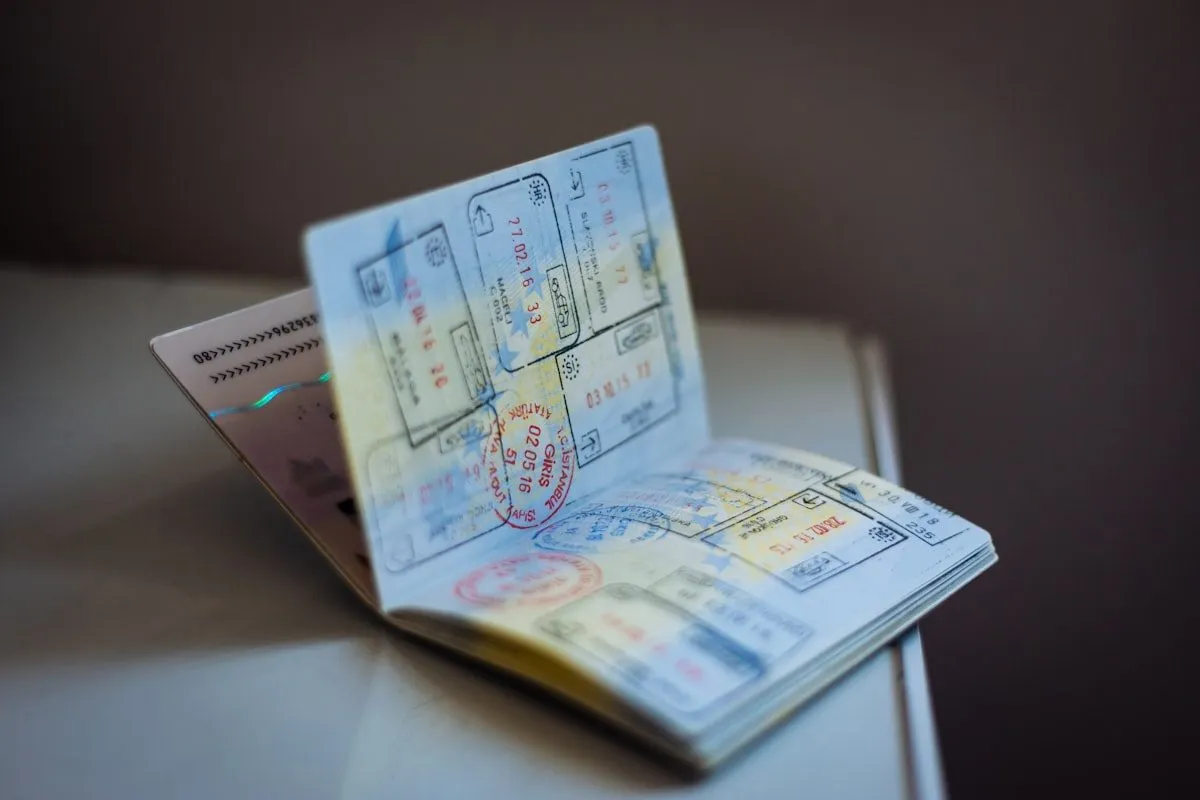
Working in Istanbul: Jobs, Work Permits, and the Digital Nomad Visa
How to work in Istanbul as a foreigner: finding jobs, getting work permits, the digital nomad visa, and the honest reality of Turkish salaries in 2026.

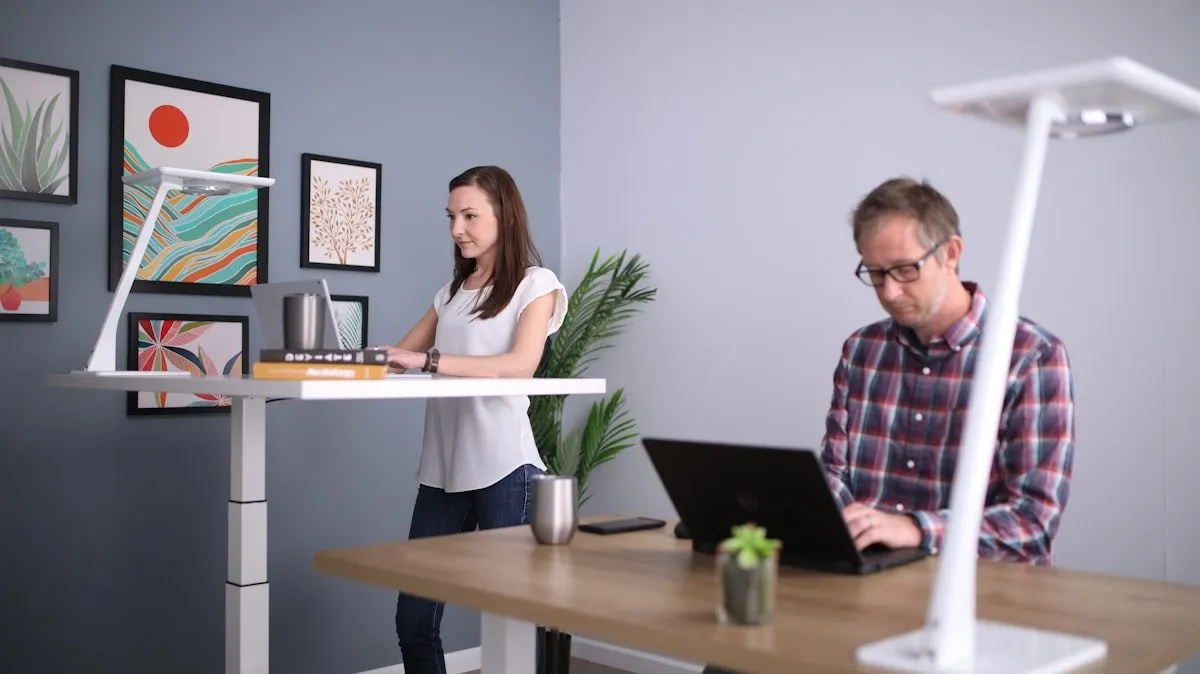
Let’s get the most important thing out of the way first: the best financial setup for working in Istanbul is earning foreign currency while spending in lira. That one fact shapes everything about the expat work experience here. A remote worker earning $4,000/month from a US company lives comfortably in one of the world’s great cities. Someone earning the Turkish minimum wage of 28,075 TL/month take-home (about $560) in the same city struggles to make rent. Working in Istanbul is full of opportunity, but you need to understand the landscape before diving in.
The Job Market for Foreigners
Remote work for a foreign employer: This is the gold standard. You keep your Western salary, spend in lira, and enjoy Istanbul’s lifestyle at a fraction of what it would cost back home. The digital nomad visa (covered below) provides the legal framework for this. For day-to-day life, see our tips for digital nomads.
English teaching: The most common entry point for expats without Turkish. Language schools, private tutoring, and university prep courses hire native English speakers. Expect salaries of 30,000–50,000 TL/month ($600–$1,000) at established schools, which goes reasonably far in Istanbul.
Multinational companies: Istanbul is the regional hub for many global firms. Positions in finance, tech, marketing, and consulting exist at companies like Unilever, Coca-Cola, Amazon, Deloitte, and McKinsey. Salaries are higher than local rates but typically lower than London or New York equivalents.
Tech and startups: Istanbul’s tech scene is growing. Companies like Getir, Trendyol, and Peak Games have put the city on the global startup map. Developers, product managers, and growth marketers are in demand.
Tourism and hospitality: Hotels, tour companies, and travel agencies hire multilingual staff, though these tend to be seasonal and lower-paid.
Turkish Work Permits
If you’re employed by a Turkish company, you need a work permit (çalışma izni). Here’s how it works:
The process:
- Your employer initiates the application through the Ministry of Labour and Social Security (MLSS) via the e-Government portal.
- You apply for a work visa at a Turkish embassy/consulate in your home country.
- The employer must submit electronic application + supporting documents within 10 working days of your visa application.
- Processing time: Typically 30 days for the work permit decision, plus 4–6 weeks total for visa-to-permit processing.
- Once approved, you receive a work permit card and register with the local migration office for your residence permit.
Key requirements:
- Valid passport (6+ months validity)
- Signed employment contract
- Employer must show why a foreigner is needed for the position
- The company must typically employ at least 5 Turkish citizens for every 1 foreign worker
- Companies that have been operating for 3+ years with existing foreign employees may face fewer restrictions
Duration: Initial work permits are valid for one year, renewable. After 8 years of continuous legal residence, you can apply for a long-term residence permit.
The Digital Nomad Visa
Turkey launched its Digital Nomad Visa in 2024, providing a legal pathway for remote workers employed by or contracting with non-Turkish companies.
How the application works: The Digital Nomad Visa is a two-step process. First, you apply online for the Digital Nomad Identification Certificate at digitalnomads.goturkiye.com. Once that is approved, you visit a Turkish consulate or embassy in your home country with your certificate to receive the actual visa stamp in your passport.
Requirements:
- Age: 21–55 years
- University degree (diploma required)
- Proof of remote work (employment contract or freelance contracts with foreign companies)
- Minimum income: $3,000/month or $36,000/year
- Valid health insurance
- Valid passport (6+ months validity)
- Biometric photos
Application process:
- Apply for a Digital Nomad Identification Certificate through Turkey’s official Digital Nomad portal (digitalnomads.goturkiye.com).
- Upload your documents proving you meet the requirements.
- Once approved, take the certificate to a Turkish embassy/consulate to get the actual visa.
- The process includes an embassy interview.
Duration: Up to 1 year.
Cost: about $190.
Processing time: 2–4 weeks.
The catch: Many nationalities already get 90 days visa-free in Turkey, making the DN visa seem redundant for short stays. But the visa provides important advantages: legal right to work remotely, route to residency, ability to sign long-term leases, and access to banking services.
Salary Expectations
The Turkish minimum wage for 2026 is 33,030 TL gross/month (about $660), which is 28,075.50 TL net (about $560). Here’s how salaries stack up:
| Role | Monthly Salary Range (TL) | Monthly Salary Range (USD) |
|---|---|---|
| Minimum wage | 33,030 TL gross (28,075 TL net) | $660 gross ($560 net) |
| English teacher | 30,000–50,000 TL | $600–$1,000 |
| Junior professional | 35,000–55,000 TL | $700–$1,100 |
| Mid-level professional | 55,000–90,000 TL | $1,100–$1,800 |
| Senior manager | 90,000–150,000 TL | $1,800–$3,000 |
| Tech/engineering (senior) | 80,000–150,000 TL | $1,600–$3,000 |
| C-level / director | 150,000–300,000 TL+ | $3,000–$6,000+ |
What to Avoid: Avoid accepting a salary denominated in TL without a clear inflation adjustment clause. With inflation running at 30%+ annually, a competitive salary today becomes inadequate in 12 months without adjustment.
Where to Find Jobs
- LinkedIn: The primary platform for professional roles in Istanbul.
- Kariyer.net: Turkey’s largest job board (mostly Turkish-language listings).
- Glassdoor Turkey: Salary data and reviews for multinational offices.
- Indeed Turkey: Growing platform for English-language positions.
- Expat Facebook groups: “Istanbul Expats,” “Digital Nomads Istanbul” for informal job postings and referrals.
- Your embassy: Many embassies maintain job boards and business networks.
Workplace Culture
Turkish work culture has its own rhythm:
- Hierarchy matters. Titles and seniority carry weight. Address managers formally until invited otherwise.
- Relationships over transactions. Business gets done over tea and long lunches. Don’t rush into the agenda.
- Working hours: Officially 45 hours/week (9 hours/day, 5 days). In practice, many professionals work longer.
- Vacation: Legal minimum is 14 days/year for the first 5 years of employment.
- Çay culture: Tea breaks are quasi-mandatory. Refusing tea is mildly awkward. Embrace it.
The Bottom Line
Working in Istanbul is a tale of two cities. For remote workers earning foreign currency, it’s a lifestyle arbitrage dream. For those working in the local job market in lira, it requires careful financial planning. The work permit process is manageable with the right employer, and the digital nomad visa has made remote work legally straightforward. The key is going in with open eyes about salary realities and tax implications.
Are you planning to work in Istanbul or getting around the permit process right now? Share your experience in the comments.
Prices checked November 2026. 1 USD is about 50 TL and 1 EUR is about 55 TL. Prices change often, so check before you go. Attraction fees set in euros (€) are more stable.

Written by Can
Can writes about everyday life in Istanbul: rent, visas, transport, work and the small things that make settling in easier.