Moda is a small peninsula that juts into the Marmara Sea at the southern tip of Kadıköy. It is the kind of neighborhood that people who live in other parts of Istanbul visit on weekends and come back wishing they lived there. The waterfront promenade, the wide tree-lined streets, the independent cafes, and the unhurried pace make it one of the most livable and pleasant areas in the whole city.
Getting to Moda
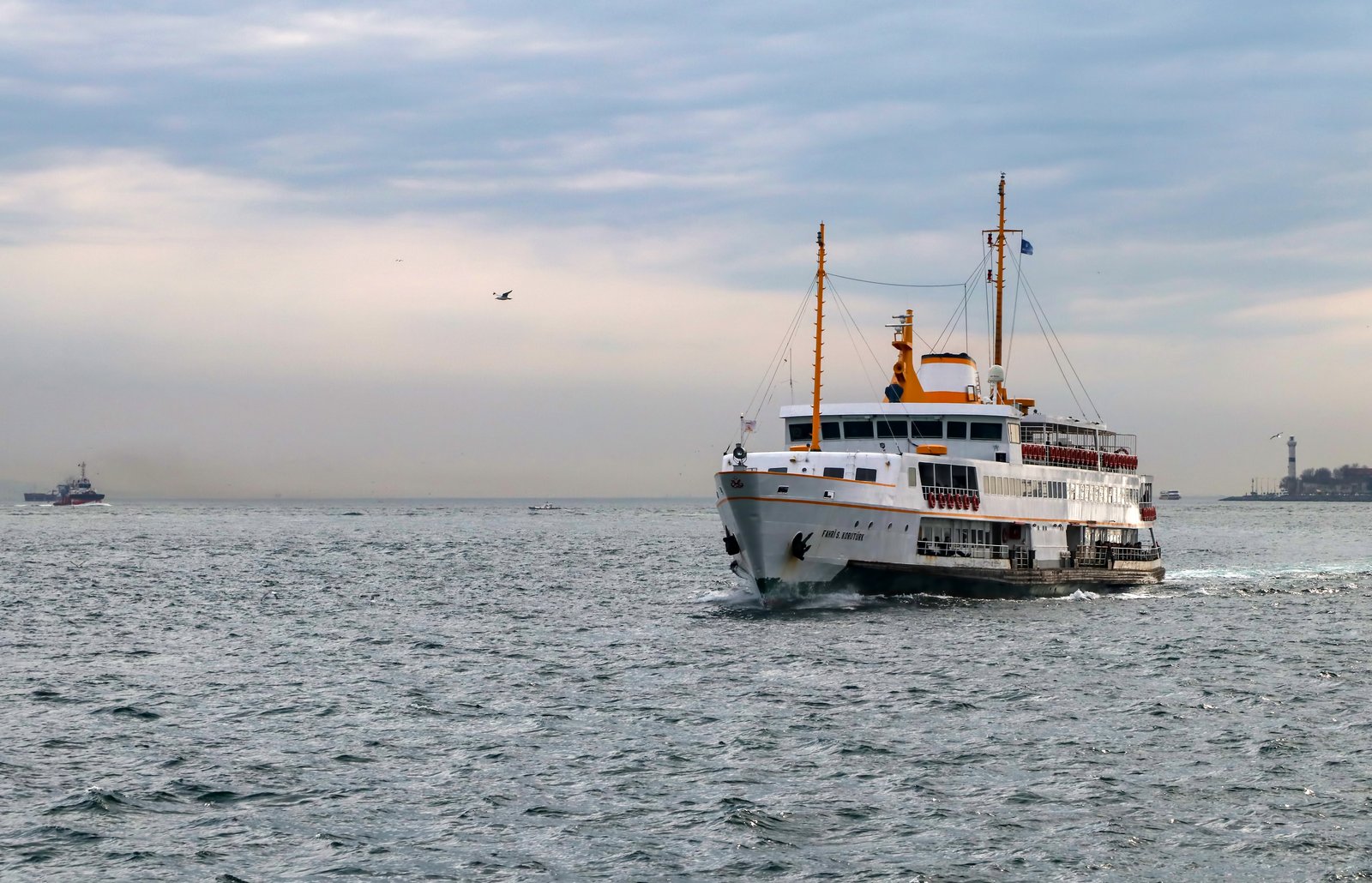
From the European side, take a ferry to Kadıköy from Eminönü or Karaköy. The journey takes about twenty to twenty-five minutes and costs 53 TL with an Istanbulkart. The Kadıköy ferry landing is then a fifteen-minute walk or a short bus ride from the center of Moda. Bus line E11 runs directly. You can also take the Marmaray to Ayrılıkçeşme station and walk or connect by bus.
The ferry journey itself is one of Istanbul’s better experiences. Crossing the Bosphorus at any time of day, with the city’s skyline on one side and the Asian shore on the other, does not get old.
The Promenade and the Sea
Moda Caddesi runs from Kadıköy’s main market area down to the tip of the peninsula, where a small park opens onto the water. The promenade here is one of Istanbul’s best walking spots: wide, tree-lined, with benches facing the water and a long view to the European shore and the old city skyline.
On weekend mornings this path fills with runners, cyclists, families, and people walking dogs. It has the relaxed energy of a neighborhood that is comfortable with itself. There are also small tea stands and kiosk cafes along the waterfront where a glass of tea is 30 to 40 TL.
The Streets Behind the Promenade
The real texture of Moda is in the grid of streets behind the seafront. These are mostly residential, with late Ottoman apartment buildings, wide pavements, and large plane trees. The streets are significantly quieter than the main Kadıköy market area.
What this neighborhood has, which most of Istanbul does not, is a density of genuinely good independent businesses: bookshops, specialty food shops, florists, wine bars, small galleries, and a type of cafe that prioritizes good coffee over Instagram aesthetics. The prices are higher than the rest of Kadıköy but not unreasonable by Istanbul standards.
💡 Pro Tip: The small streets around Moda Park have the best concentration of Moda’s independent cafes and bars. Come here on a Saturday morning and you will find the neighborhood at its best: quiet, well-dressed, good coffee, and locals reading newspapers at outdoor tables.
Where to Eat in Moda
Moda and the surrounding Kadıköy area have one of Istanbul’s strongest food concentrations. The neighborhood rewards exploration rather than a fixed list, but a few things are worth seeking out specifically:
- Çiya Sofrası is technically in Kadıköy market rather than Moda, but it is a twenty-minute walk away and is one of the most important restaurants in Istanbul. Chef Musa Dağdeviren has been documenting and cooking regional Anatolian dishes for decades. The rotating menu changes daily. A full meal for two runs 800 to 1,200 TL.
- Breakfast culture: Moda has several excellent breakfast spots serving the full Turkish spread. Budget 300 to 500 TL per person on a weekend when the places are staffed for the brunch crowd.
- Fish restaurants on the waterfront: Several fish restaurants operate on the Moda seafront. These are family-run, reasonably priced compared to the same category on the European side, and the catches are fresh from the Marmara.
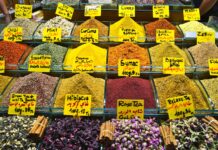
- Market produce: The Kadıköy covered market (Kadıköy Çarşısı) is one of the best food markets in Turkey. Olives, cheeses, fresh vegetables, spices, dried fruits, and fish all at prices significantly below the tourist-facing shops of Eminönü.
Moda in the Evening
After dark, Moda’s streets transition into a low-key evening scene. The cafes become wine bars. The pavement tables fill. The atmosphere is relaxed rather than loud. This is not a nightlife neighborhood in the Beyoğlu sense. It is a neighborhood where people have dinner, drink wine slowly, and walk home along the water.
The wine culture in Moda and Kadıköy generally is notable. There are small wine bars and natural wine shops that have opened in the last few years that would not be out of place in any serious European wine city. A glass of Turkish wine here runs 150 to 250 TL depending on the label.
💡 Pro Tip: The late-night ferry back to the European side from Kadıköy runs until around midnight on most nights. Check the exact last ferry time before you go because it changes seasonally. After the last ferry, you need to take the Marmaray or a bridge taxi, which adds cost and time to the evening.
The View from the Tip of the Peninsula
Walk to the very end of Moda and stand on the small rocky point that faces the sea. On a clear day you can see the Princes’ Islands directly to the south, the old city and its mosques to the northwest, and Üsküdar waterfront to the north. This view is free, unhurried, and one of the best perspectives on the city you can get from a standing position at street level.
In summer, locals come here in the evenings with a bottle of wine and a blanket and watch the sun set over the European city. There is no fee, no reservation, and no one selling you anything. It is just Istanbul being itself.
Pairing the Visit
Moda fits well into a day that starts at the Kadıköy market in the morning (arrive by 9:00 before the crowds) and ends at the waterfront in the evening. The full Kadıköy overview is the best context for planning: Kadıköy Neighborhood Guide. For a comparison with the European side of the Bosphorus, the Cihangir walking guide shows the contrast nicely: Cihangir Walking Guide. For ferry schedules and fares, current timetables are on the İDO website.