People visit Istanbul for the mosques, the bazaars, and the Bosphorus sunsets. Fair enough. But most visitors never discover that within an hour of the city centre, you can swim in a Black Sea cove, walk through ancient oak forest, or sit alone on a hillside with nothing but pine trees and birdsong around you.
Istanbul is a city of 16 million people built on two continents. It also has more green space, more coastline, and more hidden natural corners than almost any comparable megacity. You just have to know where to look.
This guide covers the best of Istanbul’s natural escapes — from beaches to forests to Bosphorus waterfront walks — for anyone who needs a break from cobblestones and grand architecture.
—
The Black Sea Coast: Kilyos and Şile
Kilyos
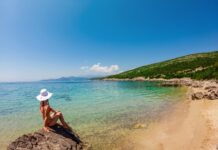
Kilyos sits on the northern edge of Istanbul, about 35 km from the city centre, where the Bosphorus meets the Black Sea. This is Istanbul’s nearest proper beach destination on the European side.
The beaches here are sandy and long. Private beach clubs like Solar Beach offer sun loungers, food, drinks, and water sports. Entry to private beaches typically costs 200–500 TL ($5–$14 USD) on weekdays, more on weekends.
Important: The Black Sea is not the Mediterranean. The currents here are strong and can be genuinely dangerous. Swim only within the designated swimming areas and pay attention to warning flags. The reverse currents have caused serious accidents even for strong swimmers.
Best time: June–September. Weekdays are significantly quieter than weekends.
Getting There: From Hacıosman metro station (end of M2 line), take a shared minibus (dolmuş) to Kilyos. The journey takes about 30–40 minutes. Taxis are also available.
>
💡 Pro Tip: Kilyos is popular with Istanbul surfers. If you’re interested in windsurfing or kitesurfing, the Black Sea conditions here are consistently good. Several beach clubs offer lessons and equipment rental.
[Image alt text: Kilyos Black Sea beach Istanbul sandy shore]
Şile
About 75 km east of Istanbul on the Black Sea coast, Şile is for those who want something quieter and more unspoiled than Kilyos. The town itself is charming — a small lighthouse, fishermen, old wooden houses. The beaches outside town are wide and relatively uncrowded.
Kumbaba Beach is especially loved for its reddish sand (local legend says it has healing properties) and the dramatic cliffs behind it. There’s no entry fee for the public beach areas.
The village of Ağva, another 25 km east of Şile, sits where two rivers meet the Black Sea in a landscape of wooded hills and hidden bays. Many Istanbulites rate Ağva as one of the most beautiful spots near the city.
Getting There: By car is easiest (about 1.5 hours from central Istanbul). By public transport: bus from Üsküdar otogar (bus station).
—
The Princes’ Islands: Marmara Sea Beaches
The Princes’ Islands are the classic Istanbul day-trip escape. Nine islands of the Marmara Sea, car-free, covered in pine forests and 19th-century Ottoman villas — they feel like a different era.
Büyükada is the largest and most visited. The hills are covered in pine trees, the beaches are rocky-sandy mix, and the only transport is horse-drawn carriage or bicycle. Several private beach clubs operate on the island’s southern shore. Public beaches are free; private clubs charge around 200–400 TL ($5–$11 USD) for a day use.
Heybeliada is quieter and more forested than Büyükada. It has excellent walking paths through pine forests and several small beaches. Many locals prefer it specifically because it’s less crowded.
Kınalıada is the closest island to Istanbul (30 minutes by ferry) and has a pleasant rocky coastline and a slower pace.
>
💡 Pro Tip: Go to Heybeliada instead of Büyükada if you want nature rather than crowds. The walking paths through its pine forests are among the best short hikes near Istanbul. In spring, wildflowers cover the hillsides.
Getting There: IDO or Şehir Hatları ferries from Kabataş, Bostancı, or Kadıköy. Journey to Büyükada is 90 minutes from Kabataş. Buy tickets in advance on weekends — they sell out.
[Image alt text: Princes Islands Büyükada Heybeliada beach pine forest Istanbul]
—
The Asian Side Waterfront: Caddebostan
If you’re based on the Asian side, Caddebostan is the closest thing Istanbul has to an urban beach promenade.
Caddebostan Beach on the Marmara Sea is about 1 km of sandy beach adjacent to Dalyan Park. The park has cycling and walking paths, cafés, a children’s playground, and views of the Princes’ Islands. The beach itself has free public access.
It’s not the most pristine swimming environment — this is the Marmara Sea near a large city — but for a sunset walk, a swim on a hot day, or a bike ride along the waterfront, it’s genuinely lovely.
Getting There: Tram T3 to Caddebostan, or bus/metro to Kadıköy then walk or cycle along the coast.
—
Belgrad Forest: Istanbul’s Ancient Forest
Belgrad Ormanı is Istanbul’s oldest and largest natural area. Located about 20 km north of the city centre, it covers about 5,500 hectares of ancient oak, beech, and hornbeam forest.
This forest has been here since before Istanbul was a city. The Ottomans used it as a hunting reserve and as the source of Istanbul’s water — the elaborate system of aqueducts and dams built by Mimar Sinan to supply the city still stand here, some of them extraordinarily beautiful. The Mağlova Aqueduct is one of the finest examples of Ottoman engineering anywhere.
Today the forest has:
- A 6.5 km circular trail around a reservoir (flat, well-marked, excellent for families)
- Longer hiking and cycling trails
- Picnic areas with designated barbecue zones at Neşet Suyu and Mehmet Akif Ersoy recreation areas
- The Atatürk Arboretum within the forest (see below)
- Wildlife including deer, wild boar, foxes, and over 170 bird species
>
💡 Pro Tip: Come on a weekday morning. On weekend afternoons, the picnic areas fill up with families, barbecue smoke, and noise. A Tuesday morning in Belgrad Forest is as peaceful as anything you’ll find near any major European city.
Getting There: Metro M2 to Hacıosman, then bus 42HM to Bahçeköy terminal. Walk from the terminal to the forest entrance. Or take a taxi directly.
[Image alt text: Belgrad Forest Istanbul ancient oak trees aqueduct hiking trail]
—
Atatürk Arboretum: 2,000 Species in One Park
Inside Belgrad Forest, you’ll find one of Turkey’s most impressive botanical gardens: the Atatürk Arboretum, a 730-hectare green oasis containing nearly 2,000 different species of trees and plants from around the world.
Managed by Istanbul University’s Faculty of Forestry, the arboretum has tranquil lakes, ornamental gardens, and walking paths through collections of trees from every continent. It’s far less visited than it deserves to be — on a weekday, you can walk for an hour and barely see another person.
Getting There: Same as Belgrad Forest. The arboretum has a separate entrance a short walk from the main forest areas.
>
💡 Pro Tip: Spring (April–May) is the best time for the arboretum — everything is in flower, the light is soft, and the air smells extraordinary. Bring a picnic.
—
Polonezköy Nature Park: The Polish Forest Village
One of Istanbul’s strangest and most charming natural escapes is Polonezköy — a village of Polish origin founded in the 19th century, now the centre of Istanbul’s largest nature park (3,004 hectares, established 1994).
The village has wooden houses, small hotels, restaurants serving things like çoban kavurması (shepherd’s stew), and a genuine sense of being far from the city despite being only 25 km from central Istanbul. The forest around it has a 5 km hiking/cycling/jogging trail and observation towers.
The mix of Polish cultural heritage (you’ll find Polish names on street signs and churches), Ottoman history, and dense forest makes Polonezköy completely unlike anywhere else near Istanbul.
Getting There: Best by car (about 45 minutes from Kadıköy). By taxi from Beykoz district.
—
Fethi Paşa Grove: A Hidden Hillside Above the Bosphorus
On the Asian side of Istanbul, in Üsküdar, the Fethi Paşa Korusu (Fethi Pasha Grove) is one of those places that most visitors never find.
Named after the Ottoman vizier Fethi Ahmet Pasha, this forested hillside park tumbles down toward the Bosphorus shore between the Kuzguncuk and Sultantepe neighbourhoods. It has been restored as a public park with social facilities, a café-restaurant, picnic areas, a small waterfall, pools, and views over the European side of Istanbul that are genuinely spectacular.
It’s rarely crowded. On a Sunday afternoon when everyone else is at Belgrad Forest, Fethi Paşa Korusu might have only a handful of visitors. The Bosphorus views — Besiktaş on the far shore, the old bridge, the minarets — are some of the best in the city.
Getting There: Ferry from Eminönü or Kabataş to Üsküdar, then a 20-minute walk uphill. Or taxi from Üsküdar.
>
💡 Pro Tip: The café-restaurant at Fethi Paşa Grove has wonderful views and reasonable prices. Come for lunch and stay for the sunset — you’ll be looking directly at the European skyline as the light fades.
[Image alt text: Fethi Pasha Grove Üsküdar Istanbul Bosphorus view pine trees]
—
Bosphorus Waterfront Walks
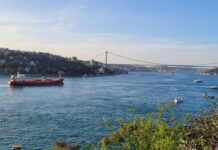
The Bosphorus is nature’s great gift to Istanbul. And you can walk alongside it for hours.
The Bebek–Rumeli Hisarı Walk: Starting at Bebek on the European side, the coastal road follows the Bosphorus north to the medieval Rumeli Hisarı fortress and beyond. This stretch, perhaps 3 km, combines the sea, historic Ottoman waterfront houses (yalıs), and views of the Bosphorus at its narrowest point.
The Üsküdar–Beşiktaş Ferry: Take a commuter ferry between Üsküdar and Beşiktaş at sunset. This short crossing offers some of the best possible views of both Istanbul skylines simultaneously.
The Arnavutköy–Bebek Evening Walk: In the evening, the waterfront neighbourhood of Arnavutköy, with its wooden houses and fish restaurants, leads north to Bebek’s cafes. This 2 km stretch is some of the most beautiful urban walking anywhere in Europe.
—
Gülhane Park: Green Space at the Heart of History
Near Topkapı Palace in Sultanahmet, Gülhane Park is Istanbul’s oldest public garden — a former rose garden of the Ottoman palace, now a free public park. It’s not wild nature, but it’s beautiful: tall trees, rose bushes, views down to the Bosphorus, and in April, tulips everywhere.
In spring, Gülhane is one of the best tulip gardens in the city. Istanbul has a deep relationship with tulips — the 18th-century Ottoman period is actually called the Tulip Era (Lale Devri). Seeing tulips here, in a garden that has existed for centuries, is a different experience from a Dutch flower festival.
Getting There: Tram T1 to Gülhane. Free entry.
—
Istanbul Nature: A Quick Summary
| Location | Type | Getting There | Cost |
|---|---|---|---|
| Kilyos | Black Sea beach | Minibus from Hacıosman | 200–500 TL beach clubs |
| Şile/Ağva | Quiet Black Sea beaches | Bus from Üsküdar or car | Free (public beaches) |
| Princes’ Islands | Island beaches + forest | Ferry from Kabataş | Ferry ~100 TL return |
| Caddebostan | Urban beach promenade | Tram T3 | Free |
| Belgrad Forest | Ancient forest | Bus from Hacıosman | Free |
| Atatürk Arboretum | Botanical garden | Same as above | Free |
| Polonezköy | Forest village | Car or taxi | Free (park) |
| Fethi Paşa Grove | Hillside Bosphorus view | Walk from Üsküdar ferry | Free |
| Gülhane Park | Historic garden | Tram T1 to Gülhane | Free |
—
What to Avoid
- Don’t swim at Kilyos outside designated areas. The Black Sea currents are genuinely dangerous, not just cautionary signs for tourists.
- Don’t go to the Princes’ Islands on a summer Sunday without booking your ferry in advance. They sell out. The queue at Kabataş pier can be an hour long.
- Don’t underestimate Belgrad Forest on a weekend. The picnic areas can feel like a festival. Go early or go on a weekday.
- Don’t skip Heybeliada. Everyone goes to Büyükada. Heybeliada has better hiking and is far quieter.
—
Istanbul will always be a city of history and culture and architecture. But it’s also a city of salt air and seagulls, of forests that were old when Suleiman the Magnificent was young, of a strait that two continents share like an argument. Nature is here. You just have to step away from İstiklal long enough to find it.
Which Istanbul nature spot surprised you most? Share your discoveries in the comments.
—
End of Articles 1–5
All articles for istanbulguidebook.com — WordPress Category: By Theme (slug: by-theme, ID: 81)
Useful links: Go Türkiye – Istanbul Tourism · Turkish Museums Portal
Prices last updated: March 2026. Exchange rate used: 1 USD ≈ 45 TL. Prices in Turkish lira can change frequently due to inflation. Attraction fees set in euros (€) are more stable. Always check official websites for the latest prices before your visit.