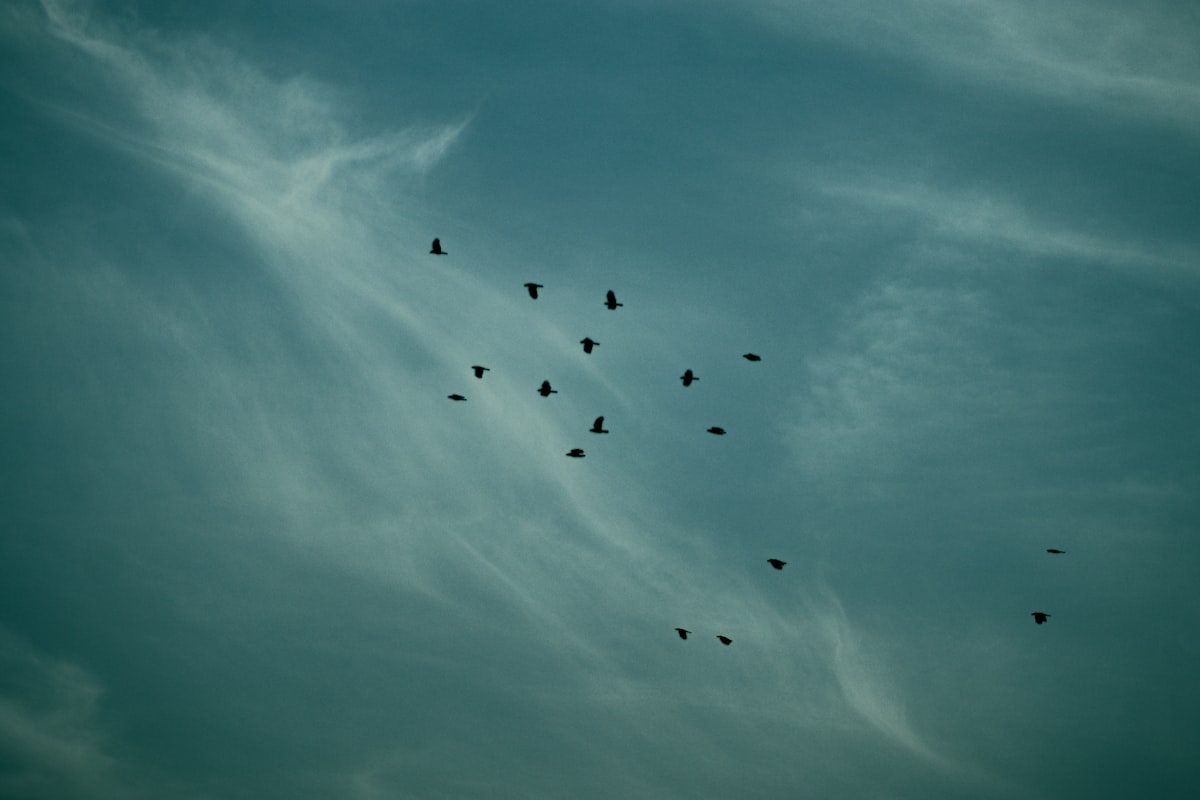
Imagine standing on a hilltop above a city of 16 million people, binoculars raised, watching fifty thousand storks spiral overhead on their way to Africa. This is not a fantasy. In Istanbul, this happens every September.
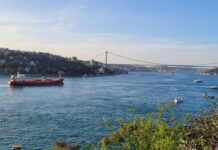
Istanbul occupies one of the most extraordinary positions of any city on Earth when it comes to birds. It sits directly on the crossroads of the Africa–Europe bird migration flyway — the Bosphorus is one of just two narrow water crossings that birds from all of Europe and western Asia must pass to reach their African wintering grounds (the other being Gibraltar in the far west).
This means that twice a year, Istanbul witnesses one of the greatest wildlife spectacles on the planet. You don’t have to go to a national park or a remote reserve. You can watch it from a hillside park with a cup of tea in your hand.
—
Why Istanbul? The Bosphorus Bottleneck
Most birds can’t cross large bodies of open water. They need thermals — rising columns of warm air — to soar without burning energy. Thermals form over land, not water.
The Bosphorus is only about 700 metres wide at its narrowest point. That makes it the narrowest land bridge between Europe and Asia. Every autumn, hundreds of thousands of raptors, storks, and smaller migrants funnel through Istanbul rather than flying over the Black Sea.
According to [Travel Atelier](https://travelatelier.com/blog/migratory-birds-turkey/), in a study carried out over two months in autumn, nearly 350,000 White Storks were counted over Istanbul alone. The main migration peaks from August through October for autumn, and April through May for spring.
The [BirdForum Opus guide to Istanbul](https://www.birdforum.net/opus/Istanbul_and_the_Bosphorus) notes that raptors are the primary attraction, with European Honey Buzzard, Common Buzzard, Lesser Spotted Eagle, and Levant Sparrowhawk among the most many. More than 20 raptor species have been recorded.
—
Çamlıca Hill: Istanbul’s Premier Birdwatching Spot
This is where you want to be for raptor migration.
Büyük Çamlıca (Big Çamlıca) is the highest point on the Asian side of Istanbul, sitting at 288 metres above sea level in the Üsküdar district. From the top, you have a panoramic view over the Bosphorus and the Golden Horn. During September and October, the thermals here lift raptors and storks high into the sky, and the numbers can be staggering.
What you’ll see: [Birdingplaces.eu](https://www.birdingplaces.eu/en/birdingplaces/turkey/camlica-hill) lists Lesser Spotted Eagle, Short-toed Snake Eagle, Eurasian Hobby, Booted Eagle, Eurasian Sparrowhawk, Levant Sparrowhawk, European Honey Buzzard, Black Kite, Black Stork, and White Stork as regular migrants.
Best time: September and October for autumn migration (the bigger, more dramatic spectacle). April–May for spring migration (slightly smaller numbers but lovely weather).
Peak hours: Mid-morning to early afternoon, when thermals are strongest.
Facilities: Ottoman-style teahouses and cafés are scattered through the park. You can watch raptors while sipping çay, which is about as pleasant as birdwatching gets.
Getting There: Metro M5 from Üsküdar to Kısıklı station, then a 15-minute uphill walk. Or take a taxi directly to the hilltop car park.
Opening Hours: Daily until 21:30.
>
💡 Pro Tip: Northwest or northeast winds are what you want. These winds push the birds south along the Bosphorus. If it’s calm and sunny, the birds may soar very high and be hard to spot. A slightly overcast, breezy day after a storm can produce the most dramatic counts.
[Image alt text: Çamlıca Hill Istanbul raptor migration storks Bosphorus]
—
Sarıyer Hills: The European Side Alternative
On the European side of the Bosphorus, the hills around Sarıyer — about 15 km north of the city centre — are an excellent secondary migration watchpoint. The woodland here also produces resident species like Syrian Woodpecker, Middle Spotted Woodpecker, Short-toed Treecreeper, and Olive-tree Warbler.
From Sarıyer, you can also access the northern end of the Bosphorus where it meets the Black Sea, near the old fort of Rumelifeneri. Seawatching here in autumn and winter can produce divers and Mediterranean Shag.
Getting There: Metro M2 to Hacıosman, then bus toward Sarıyer/Bahçeköy.
—
Tuzla Lagoon: Waterbirds Year-Round
For a different kind of birdwatching experience, head to Tuzla on Istanbul’s Asian side.
The Tuzla Lagoon is a coastal wetland with high bird species richness, especially in winter. [Birdingplaces.eu](https://www.birdingplaces.eu/en/birdingplaces/turkey/tuzla-lagoon) records Pied Kingfisher, Common Redshank, Osprey, Great White Pelican, and Lesser Black-backed Gull among the regular species. Waders and waterfowl are the main draw in winter, with migrant species adding variety during spring and autumn.
Getting There: By car or taxi from the Asian side of Istanbul. About 45 minutes from Kadıköy.
>
💡 Pro Tip: Tuzla Lagoon is best in the morning when the light is in your favour for photography. The lagoon is easy to explore on foot along the accessible shoreline.
—
Belgrad Forest: Woodland Birds
Istanbul’s largest forest, Belgrad Ormanı, is home to over 170 bird species according to multiple survey records. As a mature oak-beech-hornbeam forest, it’s excellent for woodland birds year-round.
Regular species include Eurasian Jay, Black Woodpecker, Syrian Woodpecker, Short-toed Treecreeper, Nuthatch, Tawny Owl, and many warblers in spring. Forest edges are good for Hawfinch, Bullfinch, and Goldfinch.
The forest is also a good spot for migrant passerines in spring and autumn — warblers, flycatchers, chats, and shrikes move through.
Getting There: Metro M2 to Hacıosman, then bus 42HM to Bahçeköy terminal. Walk from the terminal into the forest.
Best Time: Early morning in spring (April–May) for birdsong and migrant passerines. Any season works for resident species.
[Image alt text: Belgrad Forest Istanbul ancient oak trees bird watching]
—
The Princes’ Islands: Büyükada
The largest of the Princes’ Islands — Büyükada — is car-free and covered in pine forest. This makes it unusually quiet compared to anywhere on the Istanbul mainland, and the pine forests hold resident woodland birds including Short-toed Treecreeper, Nuthatch, Great Spotted Woodpecker, and various warblers.
Seabirds are visible from the island’s shores: Yelkouan Shearwater and Scopoli’s Shearwater can be seen from ferries and coastal vantage points.
Getting There: Ferry from Kabataş to Büyükada. Journey time about 90 minutes. No cars on the island — rent a bicycle or walk.
—
Urban Birding in Istanbul: Unexpected Surprises
You don’t have to leave the city centre to see interesting birds.
- Sultanahmet Park and Gülhane Park: Syrian Woodpecker, Hooded Crow, Black-billed Magpie, Goldfinch, House Sparrow, and various warblers in spring. The small patch of trees near the Blue Mosque is surprisingly productive.
- The Bosphorus waterfront: Yellow-legged Gulls, Black-headed Gulls, Great Cormorants, and Mallard Ducks from any waterside spot. Alpine Swift and Pallid Swift scream overhead in summer. Laughing Dove is common and easily overlooked.
- Bosphorus ferry: Take any Bosphorus ferry and watch from the deck. Yelkouan Shearwaters pass by, cormorants fish, and in autumn, raptors may cross low enough to see from the water.
- Büyükçekmece Lake: On Istanbul’s western outskirts, this lake connected to the Sea of Marmara holds good numbers of grebes, waterfowl, and marsh terns in autumn. Smew are recorded here in winter.
>
💡 Pro Tip: The call to prayer echoes from every mosque in Istanbul five times a day, and the city’s own bird soundtrack — seagulls, swifts, hooded crows — layers beneath it. Even without binoculars, Istanbul is one of the world’s great urban wildlife soundscapes.
—
Species Checklist for Istanbul Birdwatchers
Migration Spectacle Species (Sept–Oct, Apr–May):
- White Stork, Black Stork
- European Honey Buzzard
- Common Buzzard
- Lesser Spotted Eagle
- Short-toed Snake Eagle
- Levant Sparrowhawk
- Eurasian Sparrowhawk
- Black Kite, Red Kite
Resident/Year-Round:
- Hooded Crow, Eurasian Jay
- Syrian Woodpecker, Black Woodpecker
- Eurasian Nuthatch, Short-toed Treecreeper
- Laughing Dove, Eurasian Collared Dove
- Kingfisher (near water)
- Yellow-legged Gull (common everywhere)
- Alpine Swift (summer)
Waterbirds (Tuzla, Büyükçekmece):
- Pied Kingfisher, Osprey
- Great White Pelican
- Herons and egrets
- Various ducks and grebes in winter
—
Birdwatching Tours and Groups
For a guided experience, Istanbulite (istanbulite.com) offers a customisable birdwatching day trip from Istanbul covering sites within a 3-hour drive. Guided day trips typically cost 2,500–5,000 TL ($65–$135 USD) per person depending on group size. Tripadvisor also lists an Istanbul Birding Day Trip (from $65–$100 USD per person) that covers multiple migration sites and can be booked in advance.
The Istanbul Bird Watching Society (İstanbul Kuş Gözlemcileri Derneği) is the main local birding group. They run regular counts at Çamlıca and other sites during migration season, and visiting birders are generally welcome to join.
For self-guided planning, [BirdForum’s Istanbul page](https://www.birdforum.net/opus/Istanbul_and_the_Bosphorus) is the most complete English-language resource.
> What to Avoid: Don’t plan your raptor-watching trip for July–August expecting the autumn migration — it hasn’t started yet. September is when things get serious. Also, Çamlıca Hill is best on windy days, not perfectly clear calm ones.
—
When to Visit for Birds
| Month | What to See |
|---|---|
| April–May | Spring migration (raptors, storks), woodland birds in full song |
| June–July | Breeding season, swifts common, quieter for migration |
| August–September | Storks begin migration; peak raptor counts Sept |
| October–November | Late autumn migration, winter waterbirds arrive |
| December–March | Winter waterbirds at Tuzla and Büyükçekmece, resident forest birds |
—
Istanbul is one of the very few cities on Earth where you can watch one of nature’s greatest spectacles without leaving the urban area. Standing on Çamlıca Hill watching a river of storks pour over the Bosphorus, with the city glittering below and both continents visible at once — that’s an experience worth travelling for on its own.
What birds have you spotted in Istanbul? Let us know in the comments — especially if you’ve seen something unexpected.
—
—
Useful links: Istanbul Metropolitan Municipality · Go Türkiye Istanbul
Prices last updated: March 2026. Exchange rate used: 1 USD ≈ 45 TL. Prices in Turkish lira can change frequently due to inflation. Attraction fees set in euros (€) are more stable. Always check official websites for the latest prices before your visit.