Istanbul runs on bread. Not metaphorically. Actual bread, consumed at every meal, picked up warm from the neighbourhood baker before breakfast, and dunked into everything. The city’s baking culture goes well beyond the simit carts you see on every corner. This guide points you toward the bakeries worth stepping inside, what to order, and what separates a genuinely good börek from the forgettable kind.
What Makes an Istanbul Bakery Worth Visiting
The word fırın means oven, and by extension, the bakery itself. A proper fırın bakes ekmek (standard loaf bread) in a wood or deck oven, usually from early morning. The best ones also make pide (flatbread), açma (soft ring rolls glazed with oil), and poğaça (stuffed rolls filled with cheese or olive).
Börekçi shops specialise in börek, the layered pastry made from thin yufka dough. These are separate from regular bakeries, though in practice many Istanbul breakfast spots do both.
Simit: The Right Way to Eat Istanbul’s Most Famous Bread
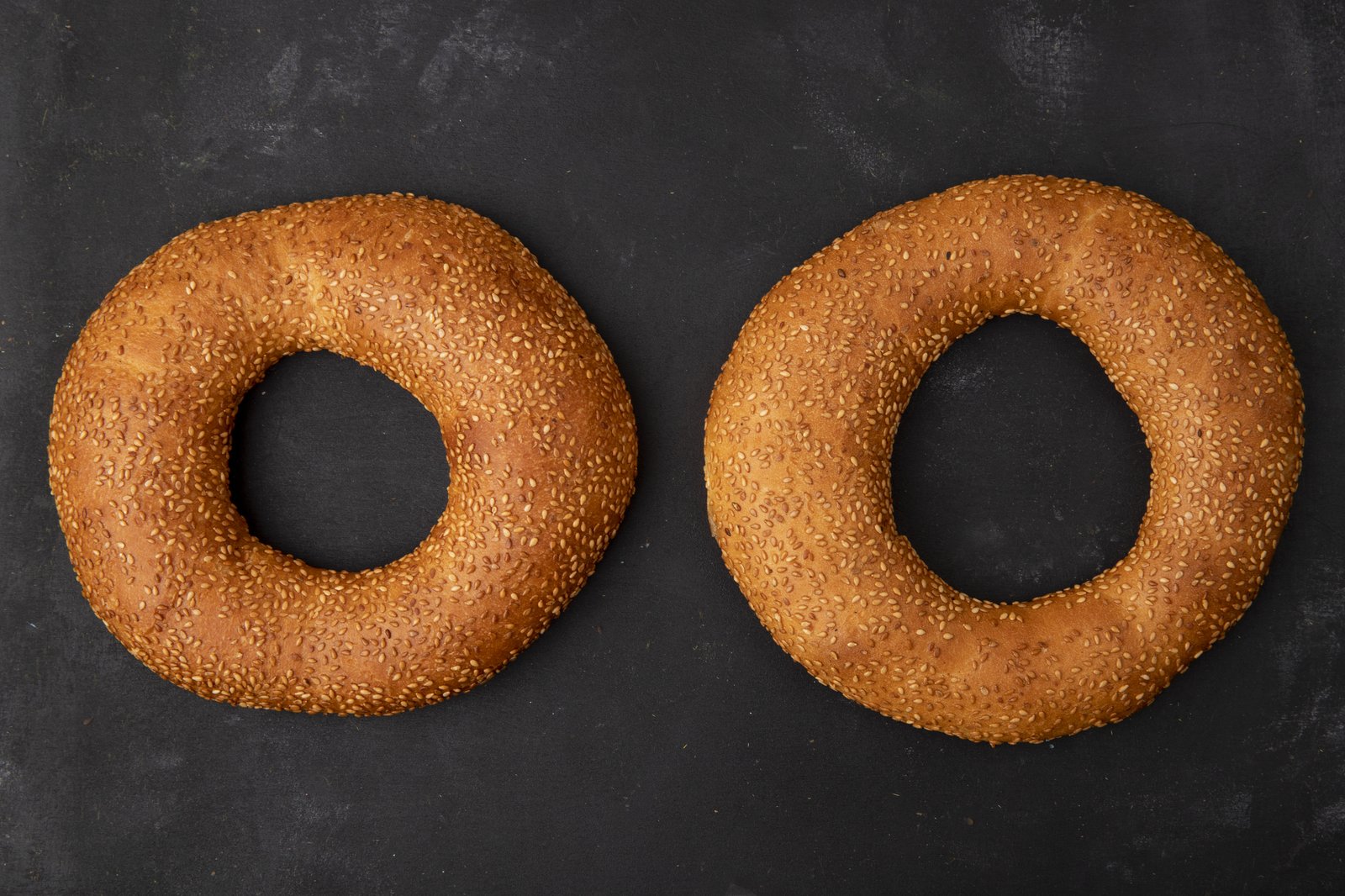
A simit is a sesame-coated ring bread, chewy and slightly crisp, and it costs around 20 to 25 TL from a street cart in 2026. Eat it the same morning it was made. A day-old simit is disappointingly stale.
The classic pairing is white cheese (beyaz peynir) and a glass of tea. If you see a cart near a tea house or park, that combination is what the locals are doing. The simitçi usually buys his rings from a central bakery at dawn; the freshest carts are the ones that arrive earliest in the morning.
💡 Pro Tip: Simit from supermarkets or airport shops is never as good. If you are in Karaköy, Beşiktaş, or Kadıköy in the morning, find a cart that still has steam coming off the rings. That is your benchmark.
Karaköy Güllüoğlu: The Standard for Baklava
Karaköy Güllüoğlu on the Karaköy waterfront is not a bakery in the bread sense, but no article about Istanbul’s baked goods skips it. They have been making baklava since 1949 and it remains the standard against which every other place in the city is judged.
Their fıstıklı baklava (pistachio) uses Antep pistachios and clarified butter. A 250g box runs around 600 to 750 TL in 2026. The kadayıf and sütlü nuriye (milk baklava, less sweet) are also excellent.
Eat it fresh at the counter with a glass of tea. Boxed baklava for travel survives a day at room temperature; after that the pastry softens and loses its texture. For an honest comparison, the original family branch in Güllüoğlu, Gaziantep remains the definitive article, but the Istanbul shop is very good.
The Best Börek in Istanbul
Good börek is about the dough. Yufka must be thin enough to see light through it when held up. The layers should be crisp on the outside and slightly yielding inside. Fillings matter less than technique.
What to look for:
- Su böreği: The boiled-then-baked version, with cheese and parsley. Heavy, satisfying, sold by the slice at most breakfast places.
- Sigara böreği: Fried cigar-shaped pastries, usually cheese or potato. Best eaten hot off the pan.
- Ispanaklı börek: Spinach filling with white cheese. The classic combination.
- Kıymalı börek: Minced meat with onion and spices. Less common but very good when done well.
The Karaköy and Beşiktaş neighbourhoods have particularly dense concentrations of börekçi shops. Look for a place with a queue forming before 9am. That queue is reliable information.
Neighbourhood Fırın Culture
Every Istanbul neighbourhood has its own mahalle fırını (neighbourhood bakery). These are not destinations; they serve the street they are on. But if you are staying in a residential area rather than a hotel district, walking to the local fırın at 7am for fresh bread is one of those genuinely local experiences that costs almost nothing.
Standard white bread (somun ekmek) costs around 12 to 15 TL per loaf. Wholegrain and sourdough options have become more common over the last few years as artisan bakeries have opened across Beyoğlu, Cihangir, and Moda.
Artisan Bakeries and Sourdough
A wave of craft bakeries opened across Istanbul between 2020 and 2025. Most are concentrated in Nişantaşı, Cihangir, Moda, and Arnavutköy. They sell long-fermented sourdough loaves, croissants, and sometimes natural wine alongside the bread.
Prices reflect the neighbourhood: a 500g sourdough loaf costs 150 to 250 TL at these shops. They are good, genuinely. But they are a different product from the traditional fırın culture, and it is worth understanding both.
💡 Pro Tip: Many artisan bakeries sell out by late morning on weekends. If you want the full selection, arrive before 10am. Some take online orders for weekend pickup, which is worth checking if they have a social media presence.
Ali Muhiddin Hacı Bekir: Turkish Delight and Confectionery Since 1777
Not a bakery in the strict sense, but part of any serious conversation about Istanbul’s sweet food heritage. Ali Muhiddin Hacı Bekir has been making lokum (Turkish delight) at its Eminönü shop since 1777, making it the oldest confectionery in the city. The shop is recognised in Istanbul’s official cultural heritage documentation; background on Istanbul’s historic bazaars and covered markets is available through the Turkish Ministry of Culture and Tourism. The family also invented the akide şekeri hard candy.
The mastic and rose versions of their lokum are the ones to buy. Avoid anything with artificial flavouring or excessive coating sugar. A 250g box runs around 300 to 500 TL depending on the variety.
Bread at Breakfast
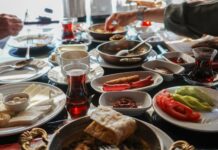
The full Turkish breakfast spread includes multiple bread types at once: a simit, a few slices of white bread, possibly a poğaça, and usually a börek alongside eggs, cheese, and vegetables. If you are building your own breakfast from market ingredients, factor in fresh bread from the local fırın as the anchor.
Our guide to the best brunch spots in Istanbul covers places where the bread and pastry selection is part of what makes the meal. For a deeper dive into everything sweet, the Istanbul desserts guide has the full picture.
Eaten something extraordinary at an Istanbul bakery recently? Leave the name in the comments.