
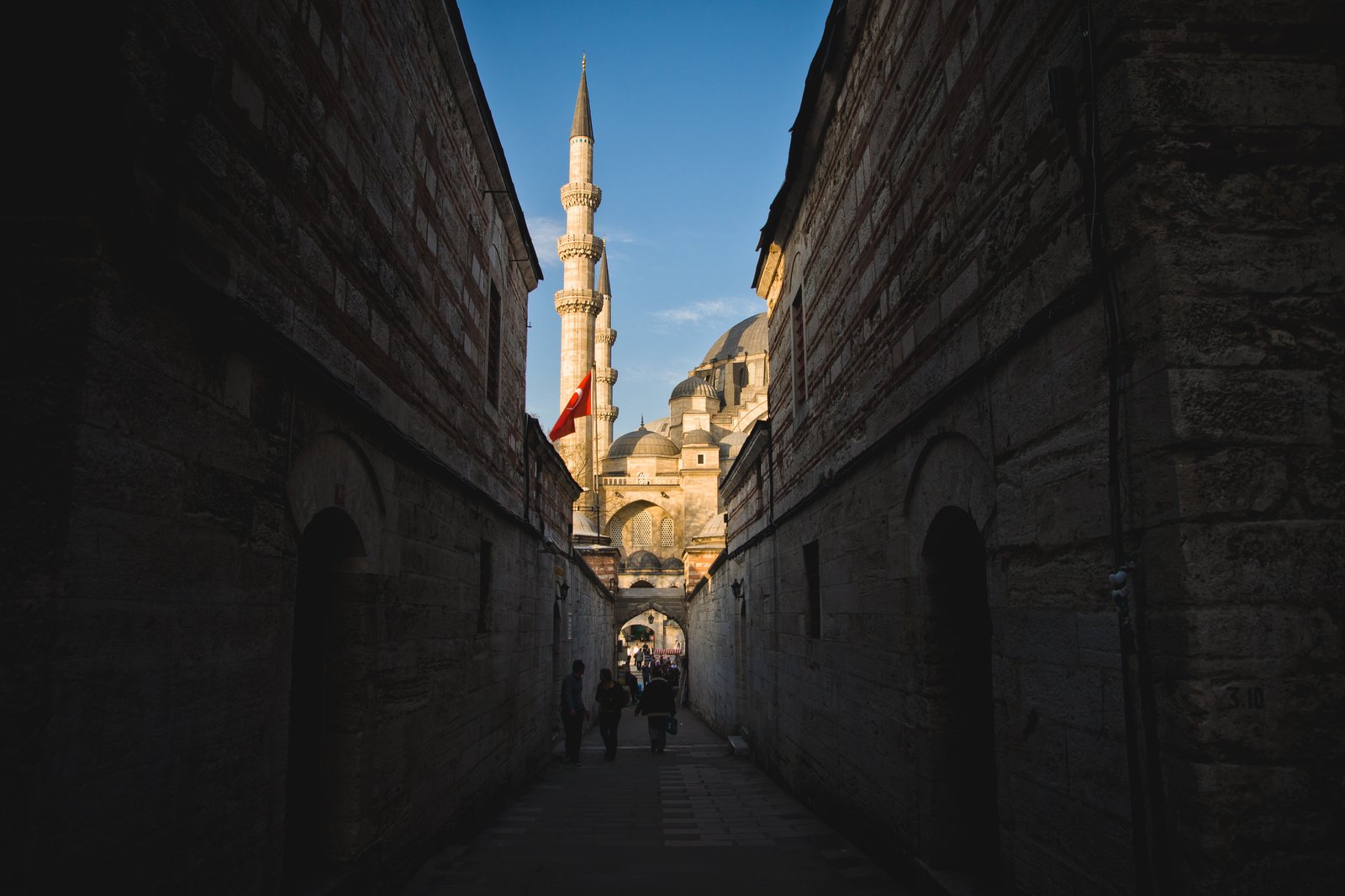
Sultanahmet is famous for a reason. The thing is, most people walk the same loop and miss everything good. The streets I want to show you are five minutes from the Blue Mosque and ninety percent quieter. You don’t need a tour group to find them. You just need to stop following the arrows.
Why Everyone Misses the Good Parts
The tourist trail in Sultanahmet is very efficient. Hagia Sophia, Blue Mosque, Topkapi, Basilica Cistern. That circuit is a full day and it is genuinely worth doing. But it leaves you walking the same four streets as forty thousand other people.
The neighborhood around these monuments is ancient and dense. The lanes between them fold into courtyards, caravanserais, and old medrese buildings that most visitors walk straight past. A little curiosity is all you need.
Küçük Ayasofya Mahallesi: The Quietest Corner
Head south from the Blue Mosque toward the sea walls and you drop into Küçük Ayasofya (Little Hagia Sophia) Mahallesi. The street named after it leads to one of Istanbul’s oldest mosques, converted from a Byzantine church in the early 1500s. Entry is free.
The surrounding neighborhood is residential and calm. There are small tea gardens tucked into the old stonework, and a handful of carpet and antique shops that don’t hassle you to come in. This is Sultanahmet before tourism rewrote it.
💡 Pro Tip: Visit Küçük Ayasofya Mosque on a weekday morning. You’ll often have the courtyard entirely to yourself for ten minutes, which almost never happens anywhere else in this district.
The Hippodrome’s Far End
Everyone photographs the Serpentine Column and the obelisk at the top of the Hippodrome. Almost nobody walks the full length of the square to its southern end, where it narrows into a street called Nakilbent Sokak.
Down here you find the Ibrahim Pasha Palace, now the Museum of Turkish and Islamic Arts. The courtyard is beautiful and the entrance fee is reasonable. More importantly, it is almost always quiet. The permanent collection includes some of the finest Ottoman carpets and calligraphy in any public museum in Turkey.
The Museum of Turkish and Islamic Arts has a solid overview on their official site: Müzeler Genel Müdürlüğü.
Akbıyık Street and the Arasta Bazaar
Akbıyık Caddesi runs behind the Blue Mosque toward the sea. It is one of Sultanahmet’s more honest streets: a mix of local cafes, small hotels, and food shops that cater to people who actually live here rather than bus groups.
Just off Akbıyık, the Arasta Bazaar is worth a slow walk. It was built in the 17th century to fund the Blue Mosque’s upkeep. It is a covered lane of about ninety shops selling carpets, ceramics, and textiles. Prices here are negotiable. The quality varies a lot, but the setting is genuinely historic and far calmer than the Grand Bazaar.
Four Things Worth Seeking Out
- Soğukçeşme Sokak: A cobblestone lane running along the outer wall of Topkapi Palace. One of the most photographed streets in Istanbul, but visitors tend to rush through. Walk it slowly.
- Caferağa Medresesi: A 16th-century Ottoman school behind Hagia Sophia, now a craft center. You can watch artisans working on traditional arts. There is a simple tea garden in the courtyard.
- Yerebatan Caddesi at noon: Most people use this street only to reach the Basilica Cistern. At midday the light on the old walls is remarkable and the street clears significantly after the morning crowds move on.
- The Byzantine land walls fragment near Sultanahmet Park: A small section of original Byzantine fortification survives in the park area. Most visitors stand in front of it without knowing what it is.
Getting the Timing Right
Sultanahmet is swamped from mid-morning to late afternoon from April through October. If you want these side streets genuinely quiet, arrive before 9:00 and stay in the neighborhood until the tour groups funnel in around 10:30. Then leave and come back after 17:00.
For current entry times and ticket prices for the major monuments, the Ministry of Culture site has accurate information: Kültür ve Turizm Bakanlığı.
💡 Pro Tip: The Basilica Cistern now charges 1,950 TL during the day and 3,000 TL in the evening. The evening session is atmospheric but the day visit is perfectly good. Book online to avoid the ticket queue, which can run 45 minutes in summer.
How to Structure Your Visit
Don’t try to tick every corner in a single morning. Pick two or three spots from this list and walk between them slowly. Sultanahmet is small. The pleasure is in the texture of the streets, not in covering ground.
If you are using a full Sultanahmet guide as your base, the overview post has route suggestions and transport info: Sultanahmet Complete Guide. You might also want to pair this walk with the eating guide, since many of the quieter streets have small local places that do not appear on review sites.
One Last Thing
People who visit Istanbul once often say they wish they had spent more time in Sultanahmet and less time rushing to other parts of the city. The neighborhood rewards slowness. The best corners are not hidden in any dramatic sense. They are just slightly off the path everyone else is on.
If you found a spot I haven’t mentioned here, leave it in the comments. This part of Istanbul has been inhabited continuously for two thousand years. There is always something I have missed.