Sultanahmet Guide: The Historic Heart of Istanbul
Your complete Sultanahmet neighborhood guide: Hagia Sophia, Blue Mosque, Topkapı Palace, where to eat, transport tips, and what to skip in Istanbul's Old City.

Quick answer
Sultanahmet is Istanbul’s old city and the place to see Hagia Sophia, the Blue Mosque, Topkapı Palace, the Basilica Cistern and the Hippodrome, all within a 15-minute walk of each other. Plan one full day for the big sights and arrive before 9:00 to beat the crowds. Then spend a slow half day on the quiet side streets most visitors miss.
In this guide
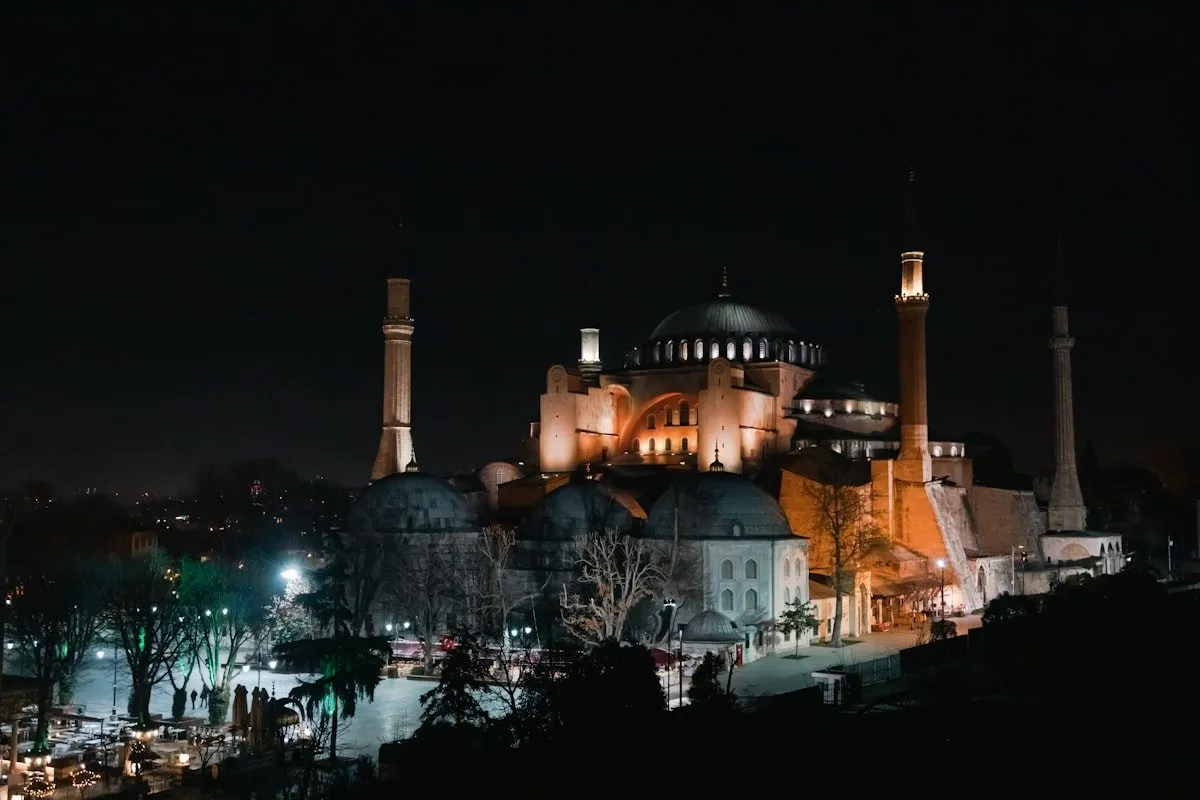
There’s a moment in Sultanahmet when you stand between Hagia Sophia and the Blue Mosque at sunset, the call to prayer echoing from the minarets, and fifteen hundred years of history feel very close. The fountains of the Hippodrome catch the last light. This is where the Byzantine and Ottoman empires ruled, and it still feels like the center of everything.
Sultanahmet is part of the UNESCO-listed Historic Areas of Istanbul, and first-time visitors spend most of their time here for good reason. This guide covers what to see, what it costs in 2026, where to eat without getting ripped off, the quiet corners behind the main sights, and how to get around like someone who has been here before.
Sultanahmet at a Glance: 2026 Prices and Hours
Prices below are for foreign adult visitors and were checked in November 2026. Lira prices change often, so always confirm on the official site before you go.
| Sight | Entry (foreign adult) | Closed | Time to allow |
|---|---|---|---|
| Hagia Sophia (upper gallery route) | €25 | Visitor route closes during Friday noon prayer | 45 to 60 min |
| Blue Mosque | Free | Closed to visitors during the five daily prayers | 30 min |
| Topkapı Palace (palace, Harem and Hagia Irene) | ₺2,750 | Tuesdays | 3 hours |
| Basilica Cistern | About 2,000 TL or more (evening costs more); check at the entrance | Open daily | 30 to 45 min |
| Turkish and Islamic Arts Museum | €17 | Check the official site | 1 hour |
| Grand Bazaar | Free | Sundays and religious holidays | 1 to 2 hours |
| Hippodrome and Arasta Bazaar | Free | Always open (Arasta shops close in the evening) | 30 min |
Top Sights and Attractions
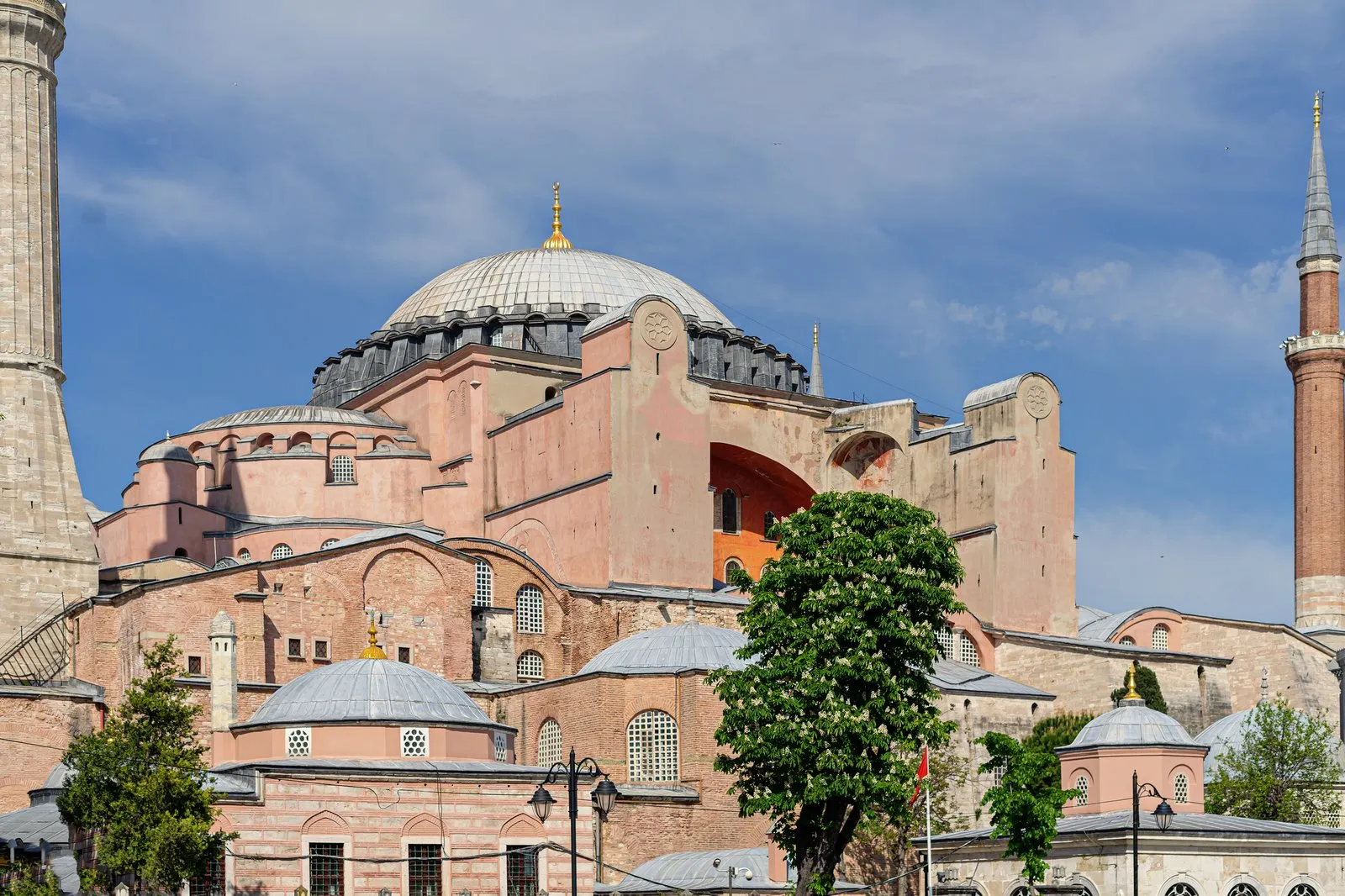
Hagia Sophia (Ayasofya): The building was the world’s largest cathedral for nearly a thousand years, then an Ottoman mosque, then a museum, and since 2020 a mosque once more. Since January 2024, foreign visitors pay €25 for a separate visitor route on the upper gallery. The ground floor is kept for worshippers, so tourists no longer walk the main prayer hall. From the gallery you still see the huge dome, the gold mosaics and the giant calligraphy medallions.
Hagia Sophia is also in the middle of a large, multi-year restoration. In 2026 work moved to the domes, so expect scaffolding inside and outside. The building stays open, but the visitor route can change.
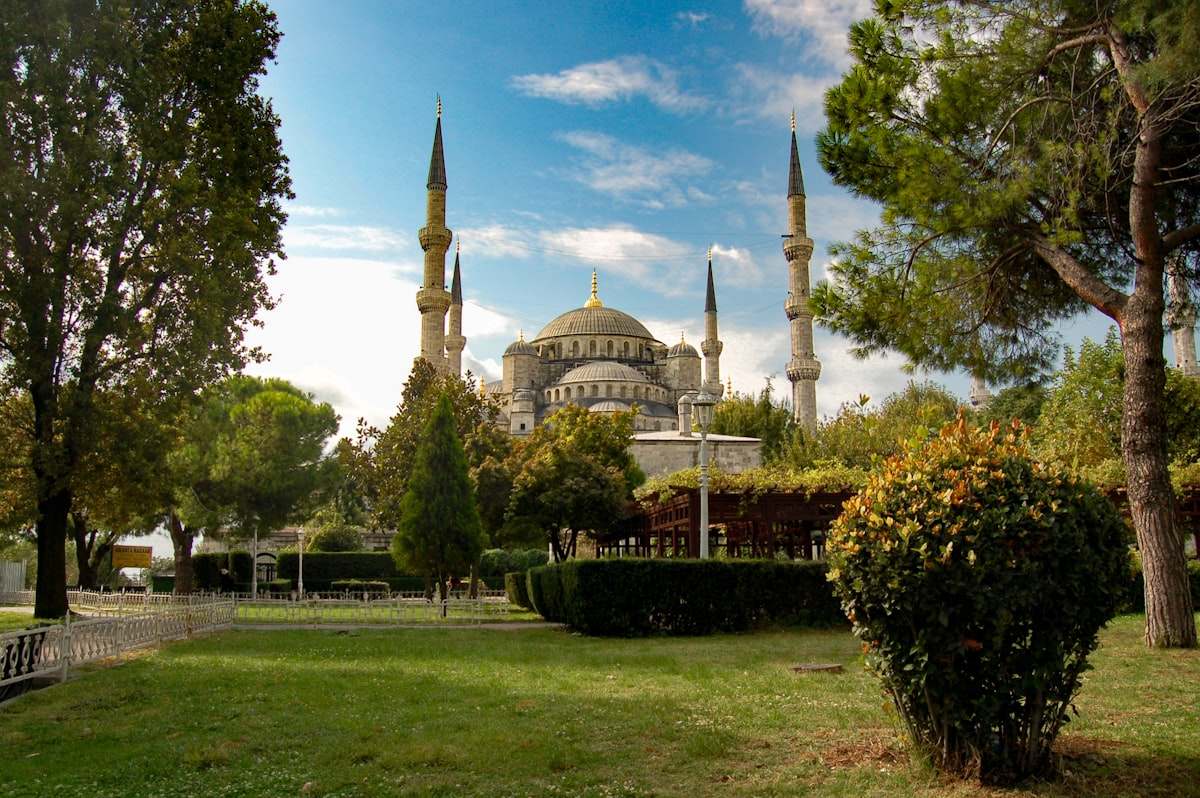
Blue Mosque (Sultanahmet Camii): The six-minaret Ottoman masterpiece, famous for the more than 20,000 blue İznik tiles inside. Entry is free. It closes to visitors during the five daily prayers, and on Fridays it stays closed until after the noon prayer. Dress modestly: cover shoulders and knees, and women should cover their hair. Scarves are available at the entrance. Go early in the morning for the shortest line.
Topkapı Palace: The palace complex was the center of the Ottoman Empire for nearly 400 years. Don’t miss the Harem, the Spoonmaker’s Diamond and the views over the Golden Horn from the Fourth Courtyard. The combined ticket (palace, Harem and Hagia Irene) is ₺2,750 for foreign visitors, according to the official National Palaces page. It is closed on Tuesdays and the ticket office closes at 17:00.
Basilica Cistern (Yerebatan Sarnıcı): An underground hall of 336 marble columns, softly lit, with water reflecting the ceiling. Look for the two Medusa heads at the base of two columns. In June 2026 the cistern passed from the city municipality to the state General Directorate of Foundations, and the change is still being argued in court. Prices and the evening session have changed more than once this year, so check the current price at the entrance. Tickets cost about 2,000 TL or more for foreign visitors, and evening sessions cost more. It is open daily, from about 09:00 to 18:30. It is not covered by the Museum Pass.
The Hippodrome (Sultanahmet Square): The old chariot-racing arena of Constantinople is now an open park next to the Blue Mosque. Three monuments survive: the Egyptian Obelisk (about 3,500 years old), the Serpentine Column from Delphi and the Walled Obelisk. The German Fountain, a gift from Kaiser Wilhelm II, stands at the northern end.
Grand Bazaar (Kapalıçarşı): A 15-minute walk from Sultanahmet Square, this is one of the world’s oldest and largest covered markets, with thousands of shops along dozens of covered streets. Free to enter. It is closed on Sundays and religious holidays and usually open from about 8:30 to 19:00. Bargaining is expected.
Turkish and Islamic Arts Museum: Across from the Blue Mosque in the former palace of İbrahim Pasha. Smaller crowds, beautiful carpets, calligraphy and everyday objects. Entry is €17 for foreign adults, listed on the Ministry of Culture museum site.
Gülhane Park: Istanbul’s oldest public park, next to Topkapı Palace. A green escape when you need a break from stone and marble. In April it fills with tulips during the city’s tulip festival.
One-Day Sultanahmet Checklist
- 8:30: Blue Mosque as soon as visitors are let in (not on Friday mornings).
- 9:15: Hagia Sophia gallery route before the tour groups arrive.
- 10:30: Basilica Cistern, a 2-minute walk away.
- 12:00: Lunch on a side street (see below), not on the main square.
- 13:30: Topkapı Palace and the Harem (skip on Tuesdays).
- 17:00: Gülhane Park, then sunset on the Hippodrome.
- Bring: a scarf, comfortable shoes, cash for small cafés, and an Istanbulkart for the tram.
Quiet Corners Most Visitors Miss
Most people walk the same loop of four big sights. The lanes between the monuments hide courtyards, old schools and calm neighborhoods. These spots are all within a 10-minute walk of the Blue Mosque.
Küçük Ayasofya (Little Hagia Sophia)
Walk downhill from the Blue Mosque, through the Arasta Bazaar, toward the sea. You drop into Küçük Ayasofya, a quiet residential area. Its mosque was built in the 530s by Emperor Justinian as the Church of Saints Sergius and Bacchus, and it later became a mosque. Entry is free. There are small tea gardens nearby and shops that don’t hassle you.
The Far End of the Hippodrome
Almost nobody walks the full length of the Hippodrome. At the southern end the square narrows and the crowds thin out. This is a good place to sit for ten minutes and look back at the Blue Mosque.
Akbıyık Caddesi and the Arasta Bazaar
Akbıyık Caddesi runs behind the Blue Mosque toward the sea. It mixes small hotels, local cafés and food shops. Just off it, the Arasta Bazaar is a 17th-century covered lane built to fund the Blue Mosque’s upkeep. It sells carpets, ceramics and textiles, and it is much calmer than the Grand Bazaar. Prices are negotiable.
Three More Spots Worth a Detour
- Soğukçeşme Sokak: A car-free cobblestone lane of restored wooden houses running along the outer wall of Topkapı Palace. Walk it slowly.
- Caferağa Medresesi: A 16th-century school designed by Mimar Sinan, tucked behind Hagia Sophia. Today it hosts traditional art workshops such as tile painting and marbling, and it has a simple courtyard café.
- Sirkeci and Hocapaşa: A few minutes north toward the water. Look for the historic Sirkeci train station, the old end of the line for the Orient Express, and the small lokanta (local restaurant) streets of Hocapaşa.
Best Restaurants and Cafés
Sultanahmet has a reputation, partly deserved, for tourist-trap restaurants with pushy touts and high prices. But good places exist one or two streets away from the main square. For a longer list with dishes and prices, see our guide to eating in Sultanahmet.
Worth Your Time:
- Tarihi Sultanahmet Köftecisi Selim Usta (Divan Yolu No. 12): The most famous meatball restaurant in the old city, serving grilled köfte with white-bean salad (piyaz) since 1920. Simple and fast.
- Sefa Restaurant: A home-style lokanta where you point at the dishes behind the counter. Filling and local. Check it is still open before you make a special trip.
- Bitlisli Sirkeci (Hocapaşa Camii Sokak): A kebab and grill house in the Hocapaşa food streets near Sirkeci, very popular with visitors.
- Şehzade Cağ Kebap (Hocapaşa): Cağ kebab, a horizontal lamb kebab from eastern Turkey, at local prices. Go at lunch when it is freshest.
- Deraliye: Ottoman palace-style cooking, including dishes like stuffed melon and lamb stews based on old court recipes.
- Balıkçı Sabahattin (Cankurtaran): A long-running seafood restaurant in a 1927 wooden house with a garden, a few minutes downhill from the Blue Mosque.
For a Splurge:
- Roof Mezze 360: Rooftop dining on top of the Seres Old City Hotel, with views toward the old city. Book ahead for sunset.
- Gülhane Şark Sofrası: On Alay Köşkü Caddesi near Gülhane Park, known for Anatolian grills.
Looking for the famous thick Turkish coffee at Mandabatmaz? It is not in Sultanahmet. It is in a small passage off İstiklal in Beyoğlu.
Shopping Spots
- Grand Bazaar: The main event. The first price quoted is often two to three times the real price. Best for ceramics, lamps, leather, scarves and spices.
- Arasta Bazaar: A quieter choice right behind the Blue Mosque, good for tiles, textiles and carpets.
- Spice Bazaar (Mısır Çarşısı): A 10 to 15-minute walk toward Eminönü. Turkish delight, dried fruit, saffron and tea.
Getting There
- T1 Tram: The Sultanahmet stop is right between the Blue Mosque and Hagia Sophia. This is the easiest way in from Karaköy, Eminönü or Kabataş. Pay with an Istanbulkart. A standard ride was 46.20 TL from July 2026.
- From Istanbul Airport: Havaist airport buses run toward the old city (Aksaray, Beyazıt and Sultanahmet areas). Havaist buses to Sultanahmet cost about 470 TL and take 90 minutes or more in traffic. Lines and fares changed several times in 2026, so check the current line and price on the Havaist website or app before you fly.
- From Taksim: Take the F1 funicular down to Kabataş, then the T1 tram to Sultanahmet. Or take the M2 metro to Vezneciler and walk or take the tram.
New to the transport card? Our Istanbulkart guide explains where to buy it and how to top it up.
Where to Stay
The big question on travel forums: should you stay in Sultanahmet? Our answer: visit, but think about staying elsewhere if you want nightlife.
Sultanahmet is great for sightseeing, but it gets quiet after dark and restaurants cost more than in other areas. Galata, Karaköy and Kadıköy have more local food and evening life. If you do stay, you get sunrise walks past Hagia Sophia with almost no one around. Compare options in our list of boutique hotels in Sultanahmet and Beyoğlu.
| Budget | Option | Why |
|---|---|---|
| Budget | Hostels near Çemberlitaş and Akbıyık | Walkable to everything, quieter than the main square |
| Mid-range | Small hotels around Akbıyık Caddesi and Küçük Ayasofya | Quiet side streets, many with roof terraces |
| Upscale | Four Seasons Hotel Istanbul at Sultanahmet | A 1918 building that served as a prison until 1969 |
Best Time to Visit
- Early morning (before 9:00): The square is calm at sunrise with almost no one around.
- Spring (April to May): Tulips in Gülhane Park, good walking weather and fewer crowds than summer.
- Winter (December to February): Short lines and a calm, atmospheric old city. Bring a rain jacket.
- Avoid: Friday mornings for the Blue Mosque, Tuesdays for Topkapı, and hot July and August afternoons.
What to Avoid
- Carpet shop invitations: “My friend, come see my uncle’s shop, just for tea.” It is a sales pitch. Say no politely unless you really want a carpet.
- Restaurants with touts outside: If someone is pulling you in, the food is rarely worth the price.
- Unofficial ticket sellers: People near Hagia Sophia and Topkapı selling “skip the line” or “guided” tickets. Buy at the official ticket office or the official website.
- Kumkapı’s main fish square: Once famous for meyhane (tavern) nights, the busy square now has many touts and surprise bills. If you go, choose a long-running place and agree on prices before you order.
Conclusion
Sultanahmet is where Istanbul began. It can feel touristy and busy at its worst. But early in the morning, late in the evening or in the off-season, it’s one of the most remarkable open-air museums on earth. See it properly, eat carefully, step into the side streets, and save some evenings for the livelier neighborhoods across the Golden Horn. What surprised you most in Sultanahmet?
Questions people ask
How much does it cost to enter Hagia Sophia in 2026?
Foreign visitors pay €25 for the visitor route on the upper gallery. The ground floor is a working mosque and is kept for worshippers.
Is the Blue Mosque free to visit?
Yes. The Blue Mosque is free, but it closes to visitors during the five daily prayers and on Friday mornings until after the noon prayer. Cover your shoulders and knees. Women should cover their hair.
How many days do you need in Sultanahmet?
One full day covers the main sights if you start early. A second half day lets you add the Grand Bazaar, the Turkish and Islamic Arts Museum and the quiet side streets.
Is the Basilica Cistern included in the Museum Pass?
No. The Basilica Cistern has its own ticket and changed operator in June 2026. Check the current price at the entrance.
Is Sultanahmet a good area to stay in?
It is great for sightseeing and early starts, but it is quiet at night. If you want restaurants and bars on your doorstep, stay in Galata or Karaköy and take the T1 tram to Sultanahmet.
Prices checked November 2026. 1 USD is about 50 TL and 1 EUR is about 55 TL. Prices change often, so check before you go.

Written by Deniz
Deniz is a video producer living in Kağıthane who explores a new corner of Istanbul every week and writes the practical guides she wishes friends had before visiting.