You’ve seen them on Instagram. You’ve probably seen them on TikTok too — gleaming white smiles with teeth so perfect they almost don’t look real. Welcome to the world of “Turkey Teeth,” the social media phenomenon that’s made Istanbul the veneer capital of the world. But behind the dazzling before-and-after shots, there’s a more complicated story — one that involves genuine savings, real risks, and a choice that affects your mouth for the rest of your life.
This guide gives you the full picture: what veneers actually cost in Istanbul, the different types available, how to avoid the horror stories, and when to walk away.
Veneer Prices in Istanbul: The 2026 Numbers
Here’s what veneers actually cost per tooth at reputable Istanbul clinics in 2026:
| Veneer Type | Istanbul Price (per tooth) | UK Price | US Price |
|---|---|---|---|
| Composite veneer | $150–$250 | £600–£900 | $400–$800 |
| Porcelain veneer (standard) | $200–$350 | £1,000–£1,600 | $900–$2,000 |
| E-max laminate veneer | $300–$600 | £1,100–£1,800 | $1,200–$2,500 |
| Zirconia veneer | $250–$400 | £900–£1,400 | $1,000–$2,000 |
| No-prep veneer (minimal filing) | $350–$600 | £1,200–£2,000 | $1,500–$2,500 |
For a full smile makeover, most patients get 8–20 veneers:
| Package Size | Istanbul Price Range | UK/US Equivalent |
|---|---|---|
| 8 veneers (upper smile zone) | $2,500–$3,500 | $10,000–$18,000 |
| 10 veneers (wide smile, upper) | $3,000–$4,200 | $12,000–$22,000 |
| 20 veneers (full mouth) | $5,500–$7,500 | $25,000–$45,000 |
Even with flights and a week in a hotel, the total cost of a full set of E-max veneers in Istanbul is less than what you’d pay for 4 veneers in the US.
E-max, Zirconia, Porcelain — What’s the Difference?
Not all veneers are created equal, and understanding the materials helps you make a better decision:
E-max (Lithium Disilicate)
The current gold standard for cosmetic veneers. E-max is a type of pressed ceramic that looks incredibly natural — it mimics the translucency of real enamel. It’s strong enough for front teeth and offers the most lifelike appearance. Most high-end cosmetic dentists worldwide prefer E-max for smile makeovers. Expect these at the higher end of the Istanbul price range ($300–$600/tooth).
Zirconia
Extremely strong and durable — often used for back teeth or patients who grind their teeth. Zirconia can look slightly more opaque than E-max, which some dentists compensate for with layered techniques. It’s a solid choice for full-mouth restorations and tends to be slightly cheaper than E-max.
Porcelain (Feldspathic)
Traditional material with a long track record. Can achieve beautiful results in skilled hands but is more brittle than E-max or zirconia. Less commonly used for full sets in modern Istanbul clinics.
Composite
The most affordable option. Composite veneers are applied directly (no lab fabrication), which means they can be done in a single appointment. However, they stain more easily, chip more readily, and typically last 5–7 years versus 10–15+ for porcelain or E-max. They’re a good option for patients wanting a temporary improvement or testing the veneer look before committing to porcelain.
💡 Pro Tip: If a clinic quotes you a suspiciously low price and doesn’t specify the material, ask. Some budget clinics use lower-grade ceramics or composites labeled as “porcelain.” The material brand should be verifiable — IPS e.max is made by Ivoclar Vivadent, for example. Ask for a material certificate.
The “Turkey Teeth” Problem: What You Need to Know
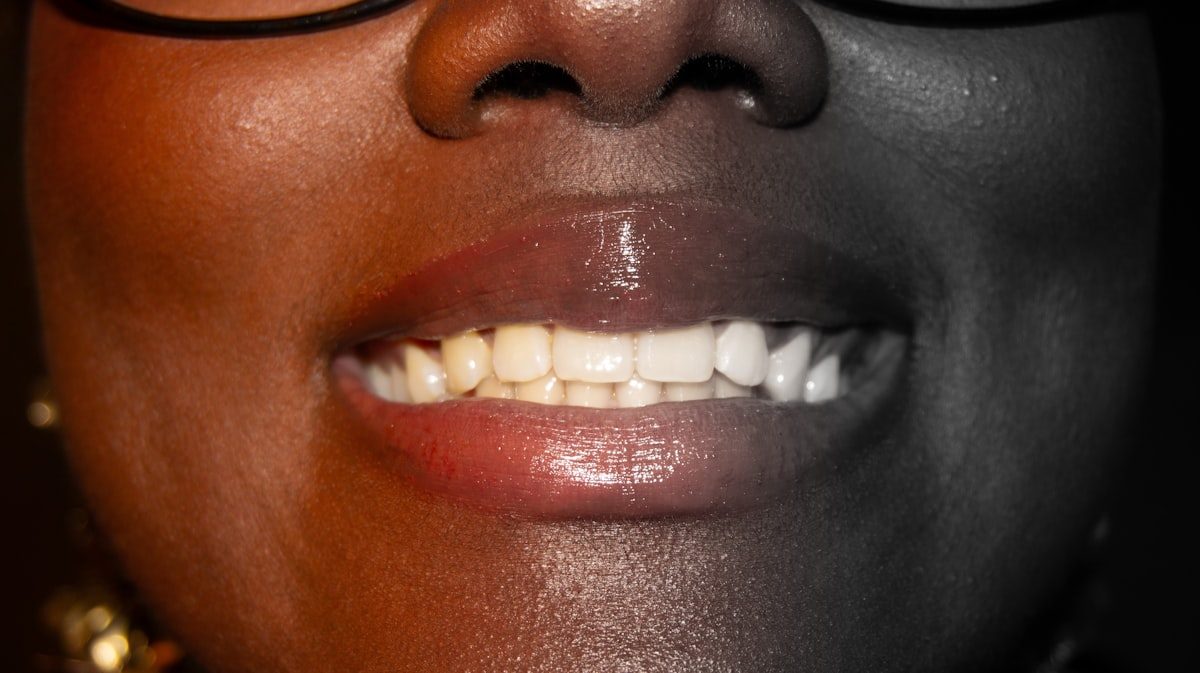
Let’s address the elephant in the room. “Turkey Teeth” has become internet shorthand for a specific look: ultra-white, uniform, slightly too-large teeth that clearly aren’t natural. But it’s also become shorthand for something more concerning — aggressive dental work that damages healthy teeth.
What happens in the worst cases:
Some clinics — especially cheap, high-volume operations — convince young patients with relatively healthy teeth to get full sets of crowns or aggressive veneers. This involves shaving down 60–70% of the natural tooth structure to create a peg for the crown. It’s irreversible. Those filed-down stumps underneath? They’re permanent. The crowns or veneers on top will need replacing every 10–15 years for the rest of your life.
The horror stories are real, but they’re not the whole story.
Thousands of patients get beautiful, well-done veneers in Istanbul every year. The difference comes down to:
- Clinic quality: Reputable clinics won’t recommend crowns when veneers will do, and won’t recommend veneers when your natural teeth are fine. They’ll talk you out of unnecessary work.
- Preparation method: Ask specifically whether the veneer requires “full prep” (significant tooth reduction), “minimal prep” (light filing of enamel only), or “no-prep” (veneers bonded directly with no tooth reduction). No-prep or minimal-prep veneers preserve your natural tooth structure.
- Age and tooth condition: If you’re 22 with perfectly healthy teeth and a clinic recommends 20 full-prep crowns, run. If you’re 45 with existing damage, decay, and misalignment, more preparation may be genuinely necessary.
Veneers vs. Crowns: The Critical Distinction
This is where many patients get confused — and where some clinics take advantage:
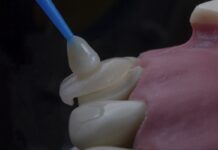
Veneers are thin shells bonded to the front surface of your teeth. They require minimal to no tooth preparation. They’re cosmetic — they change the shape, size, and color of your visible teeth.
Crowns cover the entire tooth. They require significant tooth preparation (shaving the tooth down to a stump). They’re used when a tooth is damaged, decayed, or structurally compromised.
The problem? Full crowns are cheaper to produce in a lab than thin veneers. Some budget clinics default to crowns because they’re faster and easier to fit, even when veneers would be more appropriate. This is the heart of the “Turkey Teeth” controversy.
What to ask your clinic:
- “Am I getting veneers or crowns?”
- “How much of my natural tooth will be filed down?”
- “Could I achieve similar results with minimal-prep veneers?”
- “Can I see digital smile design previews before any filing begins?”
How the Process Works
Day 1: Consultation, digital scans, X-rays, and Digital Smile Design (DSD). You’ll see a preview of your new smile on screen before any work begins. Color matching and shape selection happen here. This is your chance to make changes.
Day 2: Tooth preparation. For minimal-prep veneers, this involves lightly buffing the enamel surface. For traditional veneers, a thin layer of enamel is removed. Temporary veneers are placed while the lab fabricates your permanent set.
Days 3–4: Lab fabrication. These are your free days — explore Istanbul, rest, eat soft foods.
Day 5–6: Permanent veneers are tried in, adjusted, and bonded. Final bite checks and polishing.
Day 7: Final check-up and aftercare instructions. You fly home with your new smile.
Who Should (and Shouldn’t) Get Veneers in Istanbul
Good candidates:
- Patients with stained, chipped, or mildly crooked teeth who want cosmetic improvement
- Patients quoted prohibitively expensive veneer prices at home
- Patients who’ve done their research and chosen a specific, vetted clinic
- Patients willing to return for check-ups or have a local dentist for follow-up
Think twice if:
- You have perfectly healthy teeth and are doing this purely for Instagram looks
- You’re under 25 (your teeth and gums are still settling — be conservative)
- You can’t afford future replacements (veneers aren’t forever)
- A clinic is pressuring you into more extensive work than you originally wanted
💡 Pro Tip: Crowns typically last 10–15 years before needing replacement. Budget for this. If you get 20 crowns at age 25, you’re looking at 3–4 sets of replacements over your lifetime. At 50, the math is much kinder.
The Bottom Line
Veneers in Istanbul can be genuinely excellent — natural-looking, well-crafted, and dramatically more affordable than at home. The “Turkey Teeth” horror stories are real but avoidable if you choose a reputable clinic that prioritizes your dental health over volume. Ask the hard questions, insist on seeing digital previews, understand exactly what’s being done to your teeth, and never let anyone talk you into more preparation than necessary.
Your smile should look like the best version of your smile — not like someone else’s teeth were installed on your face.
Thinking about veneers in Istanbul? Share your questions or experiences in the comments.
Useful links: International Society of Aesthetic Plastic Surgery · Turkey Ministry of Health
Prices last updated: March 2026. Exchange rate used: 1 USD ≈ 45 TL. Prices in Turkish lira can change frequently due to inflation. Attraction fees set in euros (€) are more stable. Always check official websites for the latest prices before your visit.