I’ve been to over 40 cities on five continents. I’ve lived in three countries, worked in five, and spent enough time in airports to develop strong opinions about terminal architecture. And yet, when someone asks me the question — What’s your favorite city in the world? — the answer comes out before I can even think about it. Istanbul. Every time. Not because it’s perfect — it’s spectacularly imperfect. But because no other city on earth makes me feel as much. Let me try to explain why, and then let me be brutally honest about the things that drive me absolutely mad.
The Case for Istanbul: Why It Gets Under Your Skin
The Bosphorus Changes Everything
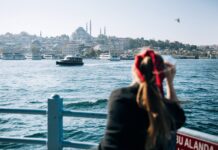
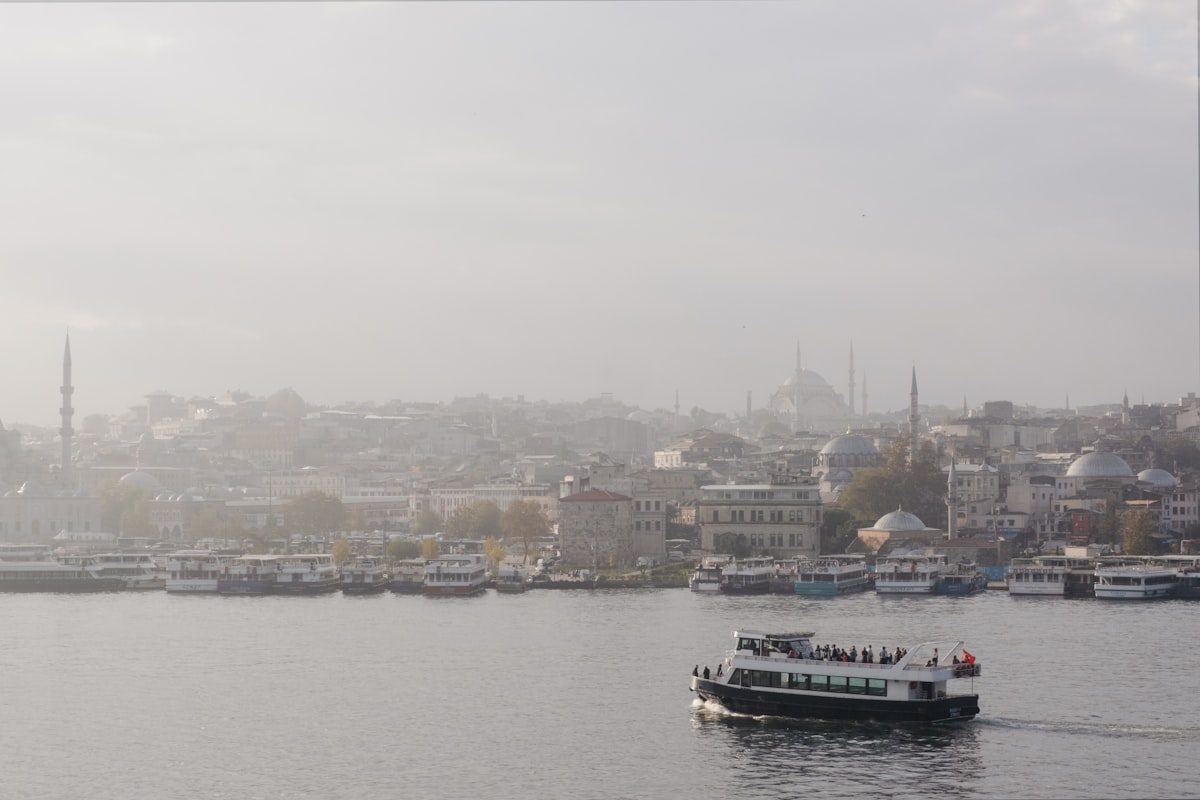
Other cities have rivers. Istanbul has a strait that separates two continents. Sitting on a ferry at sunset, watching the minarets of Sultanahmet glow gold on one side while the modern skyline of the Asian shore catches the last light on the other, is an experience that makes all other city views feel two-dimensional. Istanbul was named Europe’s “Most Desirable City” at the 2025 Wanderlust Reader Travel Awards, and honestly, it’s the Bosphorus that seals the deal.
The water isn’t just scenery — it’s setup, social life, and daily therapy all at once. Commuting by ferry for 27 TL (about $0.80) while drinking tea from a tiny glass as seagulls trail the boat — this is a daily luxury that would cost $50 as a “experience” anywhere else but is just Tuesday morning in Istanbul.
The Food Is Unreasonably Good
I don’t say this casually: Istanbul has the best food culture of any city I’ve ever eaten in. Not because of Michelin stars (though it has those too), but because the baseline quality of everyday eating is extraordinarily high. A random lokanta (workers’ restaurant) on a random side street will serve you a lunch that’s better than most intentional dining experiences in other cities.
The Turkish breakfast spread alone is worth the flight. Van Kahvaltı Evi in Cihangir will put 20 small dishes in front of you — cheeses, honeys, clotted cream, eggs cooked in butter, fresh-baked bread, tomatoes that taste like tomatoes used to taste — and charge you a fraction of what a mediocre hotel breakfast costs in Paris.
And the street food. The simit warm from the cart at 7 AM. The balık ekmek (fish sandwich) at Karaköy while the fishermen cast their lines off the bridge above you. The midye dolma (stuffed mussels) from a street vendor at midnight. The stretchy theatrics of Maraş ice cream. The life-affirming warmth of çorba (soup) after a cold day of walking. It never ends, it’s never expensive, and it’s almost always excellent.
History Is Everywhere — and It’s Not Behind Glass
In most historic cities, the past is curated and cordoned off. In Istanbul, you literally trip over it. You’ll be walking to get coffee and pass a column from the 4th century just sitting on a street corner. A carpet shop has a Byzantine cistern in its basement. The church your neighbor attends was a mosque that was a church that was built on a Roman temple. The layers of civilization — Roman, Byzantine, Ottoman, modern Turkish — are stacked on top of each other in a way that makes history feel alive rather than preserved.
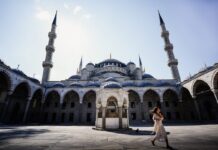
Hagia Sophia alone is worth the flight. Standing inside that 1,500-year-old dome, watching the light shift through the windows while Islamic calligraphy shares wall space with Christian mosaics — it’s the physical embodiment of Istanbul’s impossible, beautiful identity crisis.
⚠️ Restoration note (2026): Hagia Sophia is undergoing a multi-year structural restoration. Significant interior areas may be covered with scaffolding during your visit. The site remains open and the entrance fee is unchanged.
The Energy Is Unlike Anything Else
Istanbul vibrates. It’s in the crowd surging down İstiklal Avenue on a Saturday night, the fishermen on Galata Bridge at dawn, the vendors calling out prices at the Spice Bazaar, the teenagers sharing a çay on a waterfront bench in Kadıköy, the guy roasting chestnuts on a street corner in Üsküdar when the weather turns cold. There’s a relentless, chaotic, deeply human energy to this city that makes quieter cities feel like they’re operating at half speed.
The call to prayer five times a day — reverberating from 3,000+ mosques simultaneously, echoing off the water, filling the air — is something that never stops being extraordinary, whether you’re religious or not. It’s the soundtrack of a city that has been intensely, unapologetically alive for 2,500 years.
The People Will Surprise You
Get past the tourist-zone hustle and the Turkish warmth people talk about is absolutely real. My neighborhood bakkal (corner shop) owner refused to let me pay for groceries my first week because “you’re new, you’re a guest.” My barber remembers my name and my order of tea. A stranger on a bus once spent 20 minutes guiding me to my destination on her phone — in Turkish, with hand gestures, laughing the whole time. This hospitality isn’t performative. It’s cultural DNA.
>
💡 Pro Tip: The warmth is more accessible outside tourist zones. In Sultanahmet, you’re a transaction. In Beşiktaş, Kadıköy, or Üsküdar, you’re a neighbor.
The Honest Frustrations: What Drives You Crazy
Now. The other side.
The Traffic Will Age You
Istanbul traffic is not merely bad — it’s a civilizational challenge. The city was built on peninsulas and hills with narrow streets designed for donkeys, and 16 million people now navigate it in cars, buses, trucks, and motorbikes with varying degrees of regard for lane markings. A 10-kilometer trip during rush hour can take 90 minutes. The bridges over the Bosphorus become parking lots. Horns become a language. Your blood pressure becomes a concern.
The public transport system is genuinely good and getting better (metros, trams, ferries, the Marmaray tunnel), but it doesn’t cover everywhere, and transfers can be complicated. Build your life around avoiding rush hour, or accept aging prematurely.
The Scam Culture is Real
I love Istanbul deeply, and I need to be honest about this: the combination of mass tourism and economic hardship has created a scam ecosystem that can taint the experience. Taxi drivers refusing meters. Restaurants charging in euros without warning. The shoe-shine brush drop. The friendly stranger leading you to a rip-off bar. The Istanbulkart “helper” who overcharges you at the machine.
It’s not that most people in Istanbul are scammers — overwhelmingly, they’re not. But the scams are frequent enough and well-organized enough that you have to stay alert, and that constant vigilance can be exhausting. It’s the one thing about Istanbul that I wish were different.
The Bureaucracy Defies Logic
Need to get a residence permit? File a tax return? Dispute a phone bill? Register for anything official? Prepare for an odyssey. Turkish bureaucracy involves paperwork that references other paperwork, offices that send you to other offices, and a flexible relationship with published business hours. Bring patience, bring every document you own, and bring a Turkish-speaking friend if at all possible.
The Sidewalks Are a Warzone
Istanbul was designed for cars, not pedestrians. Sidewalks are narrow, often broken, sometimes non-existent. Cars park on them. Motorbikes drive on them. Construction barriers block them. Walking with a stroller, wheelchair, or heavy luggage is genuinely difficult in many areas. It’s the daily frustration that never fully goes away.
Inflation Casts a Shadow
The elephant in every room. Turkey’s ongoing inflation crisis means prices change constantly, local wages lag behind costs, and there’s a pervasive economic anxiety that affects the mood of the city. If you’re earning in foreign currency, you’re somewhat insulated. But your Turkish friends, colleagues, and the people serving your food are not. The disparity is uncomfortable and real. The Istanbul of 2026 is more expensive and more stressed than the Istanbul of 2019, and pretending otherwise would be dishonest.
Noise Is a Lifestyle
Istanbul is not quiet. It will never be quiet. Traffic, construction, the call to prayer at 5 AM, street vendors, wedding caravans honking through neighborhoods, bars playing music until 3 AM in Taksim, and the general cacophony of 16 million people living on top of each other — this is the permanent soundscape. If you need silence, Istanbul will challenge you deeply.
So Why Does It Win?
Because the good things aren’t just good — they’re transcendent. Because no other city offers this density of beauty, history, food, culture, and human vitality in a single place. Because watching the sun set over the Bosphorus from a ferry never gets old, no matter how many times you do it. Because the frustrations are the price of admission to something extraordinary.
Istanbul doesn’t give you a polished, easy experience. It gives you a real one. It’s a city that demands engagement, rewards curiosity, and refuses to be boring for even a single minute. It’s the most alive place I’ve ever been, and its flaws are part of what makes it breathe.
Is Istanbul perfect? Absolutely not. Is it the best city in the world? For me, absolutely yes.
What do you think — is Istanbul the best city you’ve visited, or is there somewhere that beats it? I want to hear your arguments in the comments.
Useful links: Go Türkiye – Istanbul Tourism · Turkish Museums Portal
Prices last updated: March 2026. Exchange rate used: 1 USD ≈ 45 TL. Prices in Turkish lira can change frequently due to inflation. Attraction fees set in euros (€) are more stable. Always check official websites for the latest prices before your visit.