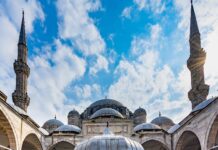
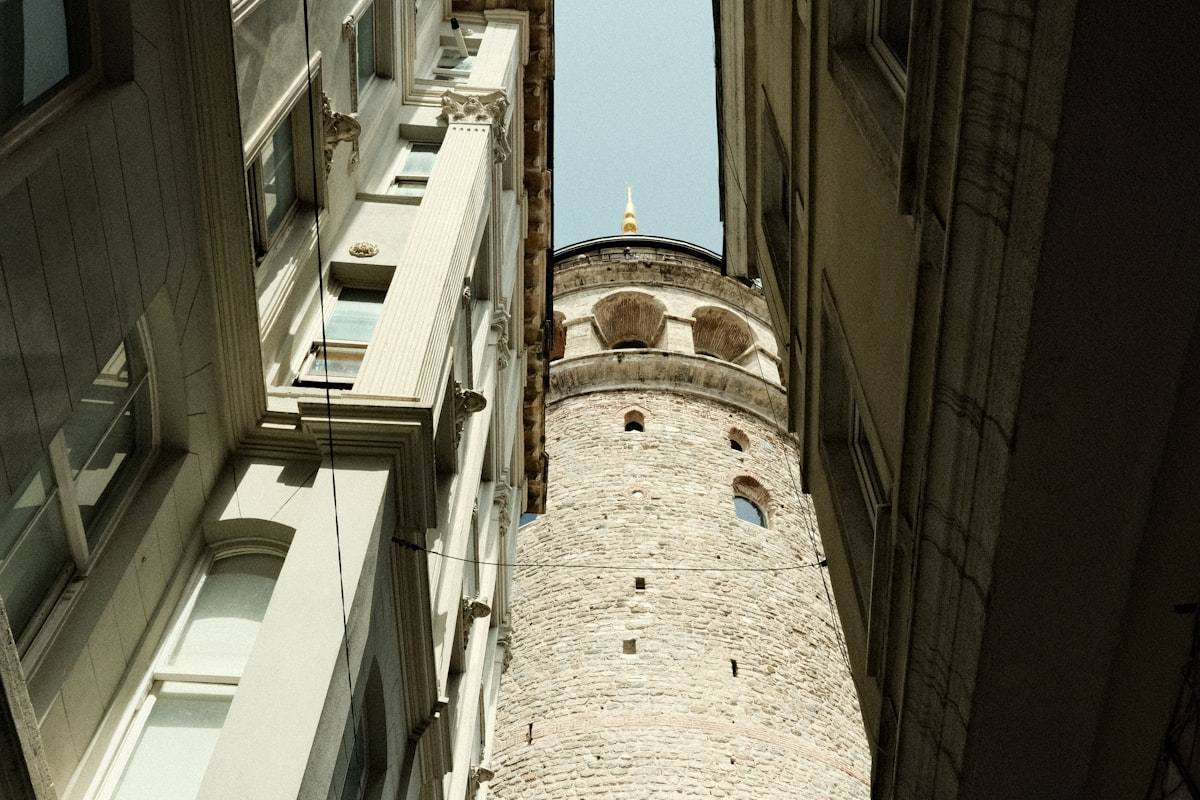
Here’s the thing about Istanbul: everyone visits the same five places. Hagia Sophia, Blue Mosque, Grand Bazaar, Galata Tower, Bosphorus cruise. And yes, those are genuinely spectacular. But this city has been continuously inhabited for over 2,500 years, built by Romans, Byzantines, Ottomans, and modern Turks — and most of that history doesn’t make it into the average guidebook. I’ve spent years peeling back Istanbul’s layers, and these 15 hidden gems are the places that made me fall in love with this city all over again.
⚠️ Restoration note (2026): Hagia Sophia is undergoing a multi-year structural restoration. Significant interior areas may be covered with scaffolding during your visit. The site remains open and the entrance fee is unchanged.
1. The Hippodrome Underground Museum
This one still blows my mind. Beneath a private carpet store near the Obelisk of Theodosius in Sultanahmet, there’s a small underground museum that’s not even on Google Maps. You walk past the shop, descend some stairs, and suddenly you’re standing in a Byzantine cistern with artifacts from the original Hippodrome — the massive chariot-racing arena that was the social heart of Constantinople. It’s free, almost nobody knows about it, and the shopkeeper above will cheerfully point you to the entrance if you ask.
>
💡 Pro Tip: Look for the carpet shops along the western edge of the Hippodrome area, near At Meydanı. Ask locals about the “underground museum” — most will know exactly what you mean.
2. Yedikule Hisarı (Fortress of the Seven Towers)
While tourists queue for Topkapı Palace, this magnificent fortress built into the ancient Theodosian Walls sits nearly empty. The entrance fee is minimal, there’s virtually no line, and you get to walk the ramparts of walls that protected Constantinople for a thousand years. The views from the towers over the Sea of Marmara and the old city are hauntingly beautiful. You’ll likely have it almost entirely to yourself.
Getting There: Take the Marmaray train to Yedikule station. The fortress is a 5-minute walk.
3. Balat and Fener: The Colorful Time Capsule
These neighboring districts along the Golden Horn are Istanbul’s most photogenic secret — though the secret is slowly getting out. Balat was historically home to the city’s Jewish community, while Fener was the Greek quarter. Today, they’re a tangle of colorful Ottoman-era houses, steep cobblestone streets, antique shops, and atmospheric cafés. The Phanar Greek Orthodox Patriarchate (the spiritual center of Eastern Orthodox Christianity worldwide) is here, largely unvisited by tourists. The Bulgarian Iron Church — yes, an entire church made of cast iron, shipped in pieces from Vienna in 1898 — is another stunner.
Walk slowly. Get lost. That’s the whole point.
>
💡 Pro Tip: Come on a weekday morning for the most atmospheric experience. Weekend afternoons now draw Instagram crowds to the colorful houses on the main streets, but the back alleys remain beautifully empty.
4. The Binbirdirek Cistern
Everyone knows the Basilica Cistern with its Medusa heads and moody lighting. But the Binbirdirek Cistern (Cistern of Philoxenus), dating to the 4th century, is the city’s second-largest ancient cistern and far less crowded. Because it’s been drained, you can actually walk among the towering columns rather than viewing them from a raised walkway. It’s a more intimate, almost eerie experience — and the kind of place that makes you feel the weight of Istanbul’s buried history beneath your feet.
Getting There: It’s in the Sultanahmet area, a short walk south of the Hippodrome. Look for the entrance on İmran Öktem Caddesi.
5. Kuzguncuk: The Village Within the City
On the Asian side, tucked between Üsküdar and Beylerbeyi, sits Kuzguncuk — a tiny neighborhood that feels like a coastal village accidentally dropped into a megacity. Tree-lined streets, a handful of cafés, a synagogue next to a mosque next to a church (a microcosm of Istanbul’s layered history), and barely a tourist in sight. Locals call it “calm and warm,” and that’s exactly right. Come for a weekend brunch, walk the leafy streets, and wonder why nobody told you about this place sooner.
Getting There: Bus or dolmuş from Üsküdar, or a pleasant 15-minute waterfront walk.
6. Rahmi M. Koç Museum
Housed in a beautifully restored industrial building on the Golden Horn, this transport and industrial museum is a treasure trove for anyone who’s ever been curious about how things work. Vintage cars, submarines you can actually enter, steam engines, old Istanbul trams, and interactive exhibits that are genuinely fun for adults and kids alike. It’s one of Istanbul’s best museums and somehow flies completely under the tourist radar.
Getting There: Take the bus to Hasköy or walk along the Golden Horn waterfront from Karaköy (about 30 minutes, and the walk itself is beautiful).
7. Feriköy Antika Pazarı (Flea Market)
Forget the Grand Bazaar for a moment. Every Sunday (and some Fridays), the Feriköy neighborhood hosts a sprawling antique and vintage market that most tourists never hear about. Soviet-era cameras, Ottoman calligraphy, vintage Turkish vinyl records, brass coffee pots, old maps — it’s a collector’s paradise. The prices are fair (this is a locals’ market, not a tourist trap), and the atmosphere is wonderfully unhurried.
Best Time to Visit: Sundays, 8 AM–6 PM. Get there early for the best finds.
Getting There: Metro to Osmanbey, then a 10-minute walk to the Feriköy neighborhood.
8. Rüstem Paşa Mosque
Hidden above street level in the Spice Market district, this small 16th-century Sinan masterpiece is covered floor-to-ceiling in some of the finest İznik tiles ever produced. The floral motifs, the cobalt blues, the intricate geometric patterns — they rival (and some say surpass) anything in the Blue Mosque, but without a single tour bus in sight. The entrance is easy to miss: look for a narrow staircase leading up from the busy commercial street below.
>
💡 Pro Tip: Visit in the late morning when the light streams through the windows and illuminates the tiles. Bring a camera — but take a moment to just stand still and absorb it first.
9. Polonezköy: A Polish Village in the Istanbul Forest
Yes, really. About 30 kilometers northeast of the city center, in the forests above the Asian side, sits a village founded by Polish émigrés in the 1840s. Today, Polonezköy is a quiet retreat with forest walks, horseback riding, home-cooked Polish-Turkish fusion food, and an atmosphere that feels a world away from Istanbul’s chaos. It’s where Istanbullus go when they need to breathe.
Getting There: Best reached by car or taxi. About 45 minutes from the city center depending on traffic.
10. Yeldeğirmeni: Asian Side Street Art
This up-and-coming Kadıköy sub-neighborhood has quietly become Istanbul’s most vibrant street art district. Colorful murals cover entire building facades, local artists run small galleries and studios, and the café scene is thriving without a whiff of tourist inflation. Walk from Kadıköy proper toward Yeldeğirmeni and let the walls surprise you.
11. Anadolu Kavağı: The Fishermen’s Village
At the very northern end of the Bosphorus on the Asian side sits this tiny fishing village. Most tourists take the Bosphorus cruise but turn back before reaching it. Those who make it to Anadolu Kavağı find a sleepy waterfront lined with fish restaurants, a crumbling Byzantine fortress on the hill above (Yoros Castle), and panoramic views where the Bosphorus meets the Black Sea. Eat grilled fish with a glass of rakı at a waterfront table and watch the ships pass. This is old Istanbul at its most peaceful.
Getting There: Public ferry from Sarıyer, or take the full Bosphorus cruise from Eminönü (the one that goes all the way to the end, not the short tourist version).
12. Miniaturk
This might be Istanbul’s most underrated family attraction. A 60,000-square-meter outdoor park with over 100 miniature replicas of Turkish landmarks, including a tiny Bosphorus Bridge you can walk across. It’s educational, photogenic, surprisingly well-done, and almost entirely overlooked by international visitors. Kids love it; adults find it oddly charming.
Getting There: Take the #36T bus from Taksim, or taxi to the Sütlüce waterfront.
13. Çukurcuma: The Antique District
Just one block behind the tourist-packed İstiklal Street lies Çukurcuma, a steep neighborhood of antique shops, vintage stores, and quirky galleries. This is where Istanbul’s creative class goes treasure hunting. You’ll find everything from Art Deco lamps to Ottoman-era jewelry to mid-century furniture. It’s also home to the Museum of Innocence, Orhan Pamuk’s Nobel Prize-winning novel brought to life as an actual museum of objects.
14. The Theodosius (Şerefiye) Cistern
Smaller and more intimate than the Basilica Cistern, this restored underground space dates to the 5th century and now hosts light installations and art exhibitions among its ancient columns. The combination of Roman engineering and modern art creates something genuinely magical. It’s well-maintained, beautifully lit, and you’ll often have it nearly to yourself.
Getting There: Located in the Sultanahmet/Çemberlitaş area, a short walk from the Grand Bazaar.
15. Soğuk Çeşme Sokağı: The Ottoman Time Warp
This narrow, cobblestone street running between Hagia Sophia and the outer wall of Topkapı Palace is lined with immaculately restored Ottoman-era wooden houses, now converted into boutique hotels and a small library. It’s one of the most atmospheric 100 meters in Istanbul, and most tourists walk right past it without noticing. Come in the early morning for photographs, or just to stand in the silence and imagine what this street looked like 400 years ago.
What to Avoid: The Tourist Trap Version
For every hidden gem, there’s a tourist trap masquerading as one. Skip the overpriced “rooftop restaurants” near Sultanahmet that charge in euros without warning. Be skeptical of any attraction a random stranger on the street urgently recommends. And if someone near Hagia Sophia tries to sell you a “guided ticket” or “museum pass” — walk away. The real treasures of Istanbul are the ones you find by wandering, getting lost, and following your curiosity instead of the crowds.
Istanbul has been hiding treasures for over two millennia. These 15 places barely scratch the surface. What’s your favorite hidden gem? Tell me in the comments — I’m always hunting for the next one.
Useful links: Go Türkiye – Istanbul Tourism · Turkish Museums Portal
Prices last updated: March 2026. Exchange rate used: 1 USD ≈ 45 TL. Prices in Turkish lira can change frequently due to inflation. Attraction fees set in euros (€) are more stable. Always check official websites for the latest prices before your visit.