If you’ve been researching hair transplants, you’ve probably run into the alphabet soup: FUE, DHI, Sapphire FUE, Micro FUE, and a dozen variations that clinics market with varying enthusiasm. Istanbul is the global hub for hair restoration — it’s where the techniques evolved, where the volume is highest, and where the price-to-quality ratio is genuinely hard to beat. But choosing the right technique and the right clinic can feel overwhelming.
Here’s a clear breakdown of what each method actually means, who it suits, what it costs in Istanbul right now, and what the honest recovery looks like.
The Basics: How Hair Transplants Work
All modern hair transplant methods follow the same fundamental logic. Hair follicles (grafts) are harvested from the “donor area” — typically the back and sides of your scalp, where hair is genetically resistant to balding — and transplanted into the thinning or bald areas (the “recipient area”).
The differences between techniques come down to how follicles are extracted and how they’re implanted.
FUE: The Foundation
FUE (Follicular Unit Extraction) is the baseline modern technique. Individual follicular units are extracted one by one from the donor area using a small circular punch tool (0.6–1mm in diameter). There’s no strip of scalp removed, so there’s no linear scar — just tiny round marks in the donor area that become invisible once hair grows back.
FUE is well-suited for most patients. It’s the technique with the longest track record, the most trained surgeons, and the widest price range.
Istanbul FUE costs (2026):
– Standard FUE (3,000–4,000 grafts): $2,500–$4,500
– All-inclusive package (surgery + 2–3 nights hotel + airport transfers + aftercare kit): $3,350–$4,200
This compares to $11,400–$15,900 for equivalent procedures in the US, and £4,690–£10,090 in the UK.
Recovery: Donor area heals in 7–10 days. Transplanted hair sheds within 2–4 weeks (this is normal — called “shock loss”). New growth begins around months 3–4. Final results visible at 12–18 months.
Sapphire FUE: The Upgraded Channel
Sapphire FUE is standard FUE extraction combined with sapphire blade channel opening in the recipient area. Instead of steel blades to create the tiny incisions where grafts are placed, the surgeon uses blades made from sapphire crystal.
Sapphire blades are sharper and smoother than steel, which means smaller, more precise incisions, less tissue trauma, and potentially faster healing with reduced scabbing. The density of transplanted hair can also be increased because the channels can be made more closely together without damaging surrounding follicles.
Is the difference dramatic? Clinics market it heavily, and some of that is genuine. For patients who want higher density results or have sensitive scalps, Sapphire FUE is worth the modest price premium. For straightforward cases, standard FUE at a quality clinic produces excellent results too.
Istanbul Sapphire FUE costs (2026): $3,000–$5,000 all-inclusive
DHI: Direct Hair Implantation
DHI (Direct Hair Implantation) changes the implantation step. Instead of creating channels first and then placing grafts, DHI uses a specialized pen-like device called a Choi Implanter. Grafts are loaded into the implanter and placed directly into the scalp in a single motion — no pre-made channels required.
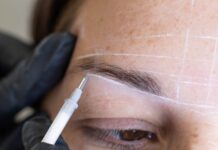
The practical advantages: DHI can be performed without shaving the recipient area (useful for people who want to avoid the shaved-head look), and the angle, direction, and depth of each graft can be controlled very precisely. This makes DHI excellent for filling in areas between existing hair and for eyebrow or beard transplants.
The drawbacks: DHI is slower than FUE (fewer grafts per session), typically more expensive, and requires a surgeon with specific DHI training. Maximum graft counts per session are lower, so patients needing large coverage areas sometimes do better with FUE.
Istanbul DHI costs (2026): $3,500–$5,500 all-inclusive
For beard/eyebrow transplants: often quoted separately, usually $1,500–$2,500
Which Technique Is Right for You?
| Situation | Best Option |
|---|---|
| Large area of baldness (Norwood 4–6) | Standard FUE or Sapphire FUE |
| High-density natural look | Sapphire FUE |
| Filling in existing hair without shaving | DHI |
| Beard or eyebrow restoration | DHI |
| Budget-conscious, solid results | Standard FUE |
| Sensitivity to healing/scarring | Sapphire FUE |
💡 Pro Tip: The technique matters, but the surgeon matters more. A skilled surgeon doing standard FUE will outperform an average surgeon doing DHI every time. Look at before/after photos from the specific surgeon (not just clinic stock photos), check that the surgeon — not just technicians — performs the procedure, and verify the graft count in writing.
What the All-Inclusive Package Actually Covers
Reputable Istanbul hair transplant packages include:
– Consultation and scalp analysis (often done via WhatsApp photos in advance)
– Pre-op blood tests
– Surgery (stated number of grafts — get this in writing)
– 2–3 nights at a partner hotel
– Airport pickup and drop-off
– Post-op care kit (shampoos, lotions, spray bottle for the first days)
– First wash at the clinic (usually day 2–3)
– Online follow-up consultations
What it typically does NOT include: flights, additional nights if you want to stay longer, and any revision work if needed.
The Recovery Timeline
Days 1–3: Scalp is swollen, tender, dotted with small scabs. Sleep elevated. Avoid touching the grafts.
Days 4–10: Scabs form and begin to fall off. Swelling reduces. You can move around Istanbul but avoid sun, swimming pools, and anything that causes heavy sweating.
Week 2–4: The transplanted hair sheds. This is completely normal — the follicles remain alive even as the visible hairs fall. Many patients panic at this stage. Don’t.
Months 3–6: New hair starts to emerge. It looks thin and soft at first.
Months 9–18: Full density develops. This is when you see the actual result.
What to Watch Out For
The Istanbul hair transplant market has both outstanding clinics and genuine bad actors. Red flags:
– Quotes that seem suspiciously low ($1,000–$1,500 for a full transplant)
– Clinics that won’t tell you who the surgeon is
– Packages where “unlimited grafts” are offered (graft quality matters, not just quantity)
– Clinics that use technicians for the entire procedure with no physician involvement
The Turkish Medical Association requires that physicians perform hair transplant surgeries, but this regulation isn’t always followed at budget clinics. Ask directly whether the surgeon or a technician will perform your procedure.
Prices last updated: March 2026. Exchange rate: 1 USD ≈ 45 TL.
—
Have you had a hair transplant in Istanbul, or are you comparing clinics right now? Share your experience or ask questions below.
Useful links: Go Türkiye – Istanbul Tourism · Lonely Planet Istanbul