In Turkey, drinking is serious business — and I don’t mean that in the way you might think. Long before we’re talking about raki, we’re talking about çay. Turks drink tea constantly, compulsively, lovingly. Before a business meeting, after a meal, during a negotiation, at a bus stop — tea appears. It is the liquid fabric of Turkish social life, and no other beverage quite defines the culture in the same way.
But there is a whole world of Turkish drinks beyond the tulip-shaped glass. Some are ancient, some are strange, and a few will genuinely challenge your palate in the best way. Here’s everything you need to try in Istanbul.
—
Çay (Turkish Black Tea): The Heartbeat of Istanbul
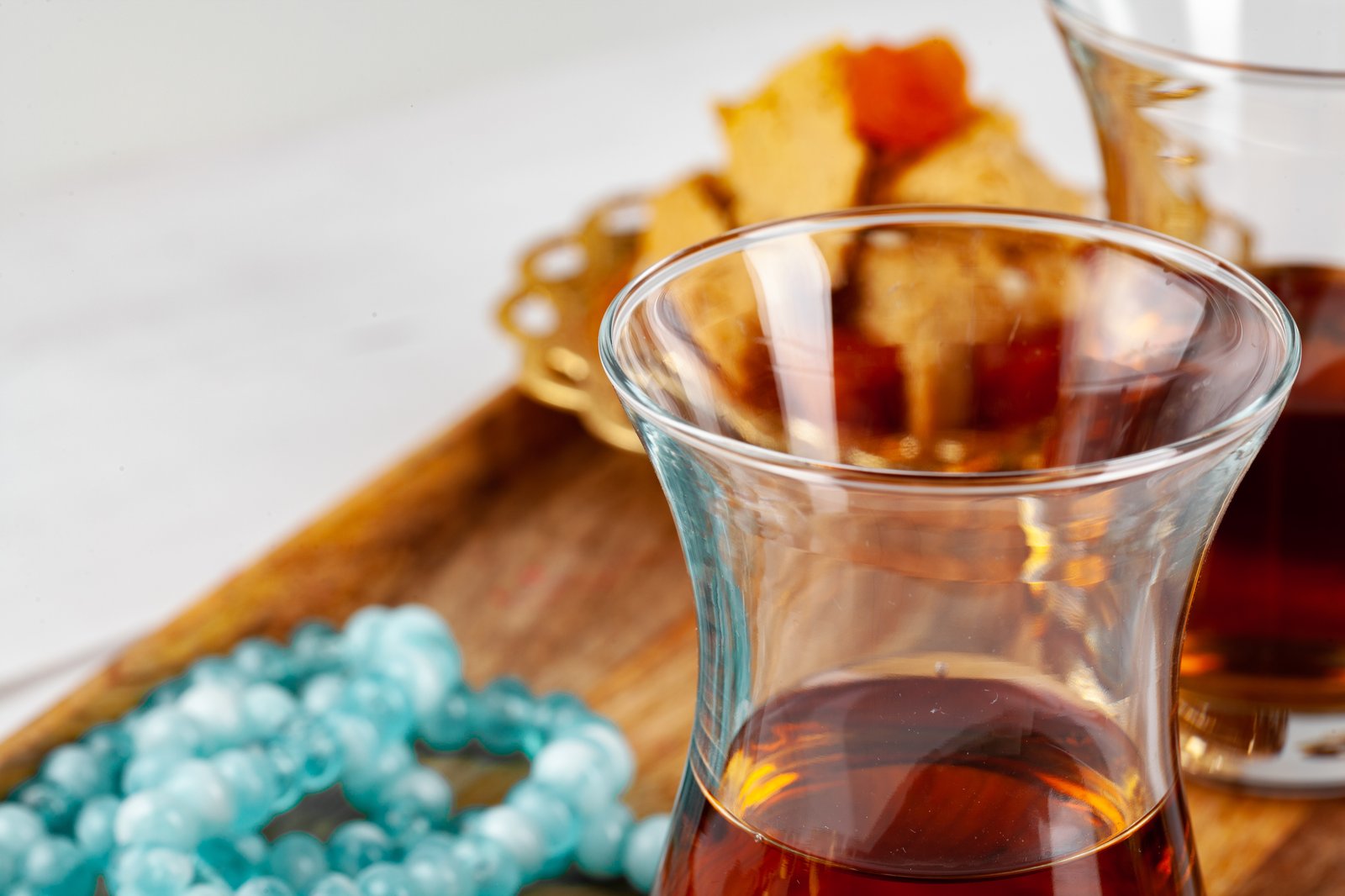
Turkish tea (çay, pronounced “chai”) is brewed in a double teapot called a çaydanlık. The lower pot boils the water; the upper pot holds the concentrated tea. They are combined to taste: demli (strong, dark ruby) or açık (lighter, diluted with more water). It comes in a small tulip-shaped glass, always hot, always unsweetened at the table — sugar cubes are offered on the side.
A glass of tea at a local çay bahçesi (tea garden) costs just 15–25 TL ($0.35–0.57) — the cheapest thing in Istanbul. Tourist cafés charge 25–80 TL ($0.57–1.80). At grand hotels or rooftop cafés, you might pay 50–150 TL ($1.15–3.40).
Where to try it: Anywhere. Literally anywhere. But for atmosphere, head to the Pierre Loti Tea Garden in Eyüp (historic hilltop garden overlooking the Golden Horn), the tea gardens around Eminönü waterfront, or the çay bahçeleri in Kadıköy’s backstreets.
💡 Pro Tip: Never refuse tea when offered by a shopkeeper or host. Declining is considered mildly rude. You’re under no obligation to buy anything — tea is genuinely just hospitality.
—
Türk Kahvesi (Turkish Coffee): The Ancient Ritual
Turkish coffee is made in a small copper pot called a cezve, with very finely ground coffee boiled slowly — not percolated or filtered. It’s served in a small cup with the grounds still in it. You let it settle for a minute before drinking, and you stop drinking when you hit the mud at the bottom.
Order it sade (no sugar), az şekerli (a little sweet), orta (medium), or çok şekerli (very sweet). It’s almost always served with a small piece of Turkish delight or lokum on the side.
A Turkish coffee at a local café runs 20–60 TL ($0.45–1.35). At tourist spots, expect 40–100 TL ($0.90–2.25). Specialty coffee shops charge more.
Where to try it: Mandabatmaz on Olivia Geçidi alley in Beyoğlu is a legendary local institution for strong Turkish coffee. Hafız Mustafa (multiple branches) serves an excellent version with authentic atmosphere.
💡 Pro Tip: After finishing, some people flip their cup upside down on the saucer, let the grounds run, and then have their “fortune told” by the patterns. It’s partly serious, partly fun.
—
Ayran: The Yogurt Drink That Goes With Everything
Ayran is made from yogurt, water, and salt — thick, cold, slightly tangy, and insanely refreshing on a hot Istanbul afternoon. It is Turkey’s answer to every heavy meat dish: the acidic yogurt cuts through the fat perfectly. You’ll find it everywhere, from gas stations to Michelin-starred restaurants.
Good ayran is frothy on top. The best versions come from places that shake or blend fresh yogurt to order. Many kebab restaurants make their own. Even McDonald’s in Turkey sells ayran.
Price: 15–40 TL ($0.35–0.90) at street stalls and lokantalar. Restaurant versions 30–60 TL ($0.68–1.35).
Where to try it: Order alongside any kebab or köfte. Particularly good at doner and ocakbaşı restaurants.
—
Raki: The Lion’s Milk
Raki is Turkey’s national spirit — a clear, anise-flavoured distillate made from grape pomace, double-distilled and flavoured with aniseed. It’s 40–45% alcohol. When you add water (and everyone does), it turns a milky white — hence the nickname “aslan sütü,” lion’s milk.
Raki is not a party drink. It’s a slow, social drink consumed over a long meyhane dinner with cold meze, fresh fish, and conversation. You sip it. You don’t shoot it. The proper pairing is a small glass of raki alongside a glass of cold water — alternate sips of each.
The most respected brand is Yeni Rakı (green label). Tekirdağ Rakı is considered more refined. Artisanal small-batch rakıs are increasingly available.
Price: A 35cl (half-bottle) at a meyhane: 300–600 TL ($7–14) depending on the restaurant and brand. At a supermarket, a full bottle of Yeni Rakı starts from around 600–800 TL ($14–18).
Where to drink it: Nevizade Sokak in Beyoğlu, the meyhane streets in Asmalımescit, or the excellent meyhanes in Kadıköy for a more local, cheaper experience.
—
Şalgam Suyu: The Acquired Taste
Şalgam (pronounced “shalgam”) is a fermented drink made from black carrot, bulgur wheat, yeast, salt, and turnips — acidic, salty, and earthy. There are two versions: regular and acılı (spicy). It’s an Adana speciality that has spread across Turkey and works as both a standalone drink and a companion to raki.
It tastes like drinking a very intense pickle brine. That’s not a bad thing — many people find it deeply addictive. It’s believed to help with hangovers, settle the stomach, and line the gut before a long raki session.
Price: Sold by the glass at pickle juice bars (turşucu) near Eminönü for around 20–50 TL ($0.45–1.15). Available in bottles at supermarkets.
Where to try it: Turşu bars near Eminönü (look for the carts piled with colourful jars of pickled vegetables). The vendors near the Bosphorus pier in Eminönü often have both turşu suyu and şalgam.
—
Boza: Winter Fermented Grain Drink
Boza is thick, slightly sweet, mildly fermented, and made from wheat or barley. It has a consistency somewhere between a smoothie and a thin porridge. It’s drunk cold in winter, always topped with a spoonful of cinnamon and roasted chickpeas (leblebi). It’s mildly alcoholic — under 1% — and deeply nourishing.
The best boza in Istanbul comes from Vefa Bozacısı in Fatih, a shop that has been selling boza since 1876. It’s a short walk from the Süleymaniye Mosque and worth the detour.
Price: Around 40–80 TL ($0.90–1.80) for a glass at a bozacı. Seasonal — most available October through March.
—
Salep: Orchid Root Warmth
Salep is made from the ground tubers of wild orchids mixed with hot milk and topped with cinnamon. The result is thick, warming, slightly floral, and deeply comforting on a cold Istanbul day. Street vendors sell it from copper urns in winter, often near ferry docks and bazaars.
Price: 50–100 TL ($1.15–2.25) from street vendors or cafés.
Best time: November through March. This is a winter drink — you won’t easily find real salep in summer.
—
Efes: The National Beer
If you’re drinking beer in Turkey, you’re probably drinking Efes. Turkey’s dominant beer brand, Efes Pilsen is a clean, crisp lager that pairs well with mezes and grilled meats. It’s available everywhere — bars, restaurants, supermarkets, corner shops.
Price: A bottle at a supermarket: 60–100 TL ($1.35–2.25). At a bar or restaurant: 150–300 TL ($3.40–6.80). Istanbul Beer Festival (held annually) is a good time to explore craft options.
—
Specialty Coffee: Istanbul’s Third-Wave Scene
Istanbul’s specialty coffee scene has exploded since the mid-2010s. Karaköy, Cihangir, and Kadıköy have the highest concentration of excellent third-wave cafés. Expect to pay 80–180 TL ($1.80–4.10) for a quality espresso-based drink. Filter coffee at specialty cafés runs 80–150 TL ($1.80–3.40).
Notable cafés: Kronotrop (multiple branches), Lot Coffee, Matchef, Petra Roasting Co.
—
What to Avoid
– Apple tea: This is a powder-based instant drink served exclusively to tourists. Real Turks don’t drink it. Ask for real çay instead.
– Drinks at Taksim Square tourist restaurants without checking prices: A glass of raki at a tourist trap can run 400–600 TL ($9–14) — twice what it costs elsewhere.
– Drinking raki like a shot: You will regret this. It’s meant to be sipped slowly over 2–3 hours.
—
Conclusion
Turkish drinks are a journey as much as the food is. Start with tea, graduate to Turkish coffee, brave the şalgam at least once, and save raki for a long, slow meyhane evening. Which Turkish drink converted you? Tell us in the comments — and if there’s one we missed, let us know.
[Image alt text: Turkish tea in tulip glasses on a traditional tray with a copper teapot]
Prices last updated: March 2026. Exchange rate: 1 USD ≈ 45 TL.
—
Article 7 | Title: Turkish Soup Guide: 15 Bowls You Need to Try in Istanbul | Category: turkish-dishes
—
—
Useful links: Invest in Turkey Official Portal · Borsa Istanbul Stock Exchange