Sunday mornings in Istanbul hit differently. The call to prayer drifts across the rooftops, the smell of fresh simit carts fills the street, and somewhere nearby, a vendor is unfolding a tablecloth covered in Ottoman coins, vintage vinyl records, and hand-stitched kilims. If you’ve never wandered a proper Istanbul pazar on a Sunday, you’re missing one of the city’s greatest free shows — and some genuinely remarkable deals.
Whether you’re hunting for antiques, picking up designer replicas, or just soaking in the chaos of a real Istanbul market, this guide covers every Sunday market worth your time in 2026.
—
Feriköy Antique Market: The Real Deal
Feriköy (officially called Feriköy Antika Pazarı) is hands-down the most authentic flea market in Istanbul. Open every Sunday from around 8:00 AM to 6:00 PM, this covered market in Şişli has over 200 vendors spread across a warren of stalls that smell faintly of old wood and motor oil — and we mean that in the best way.
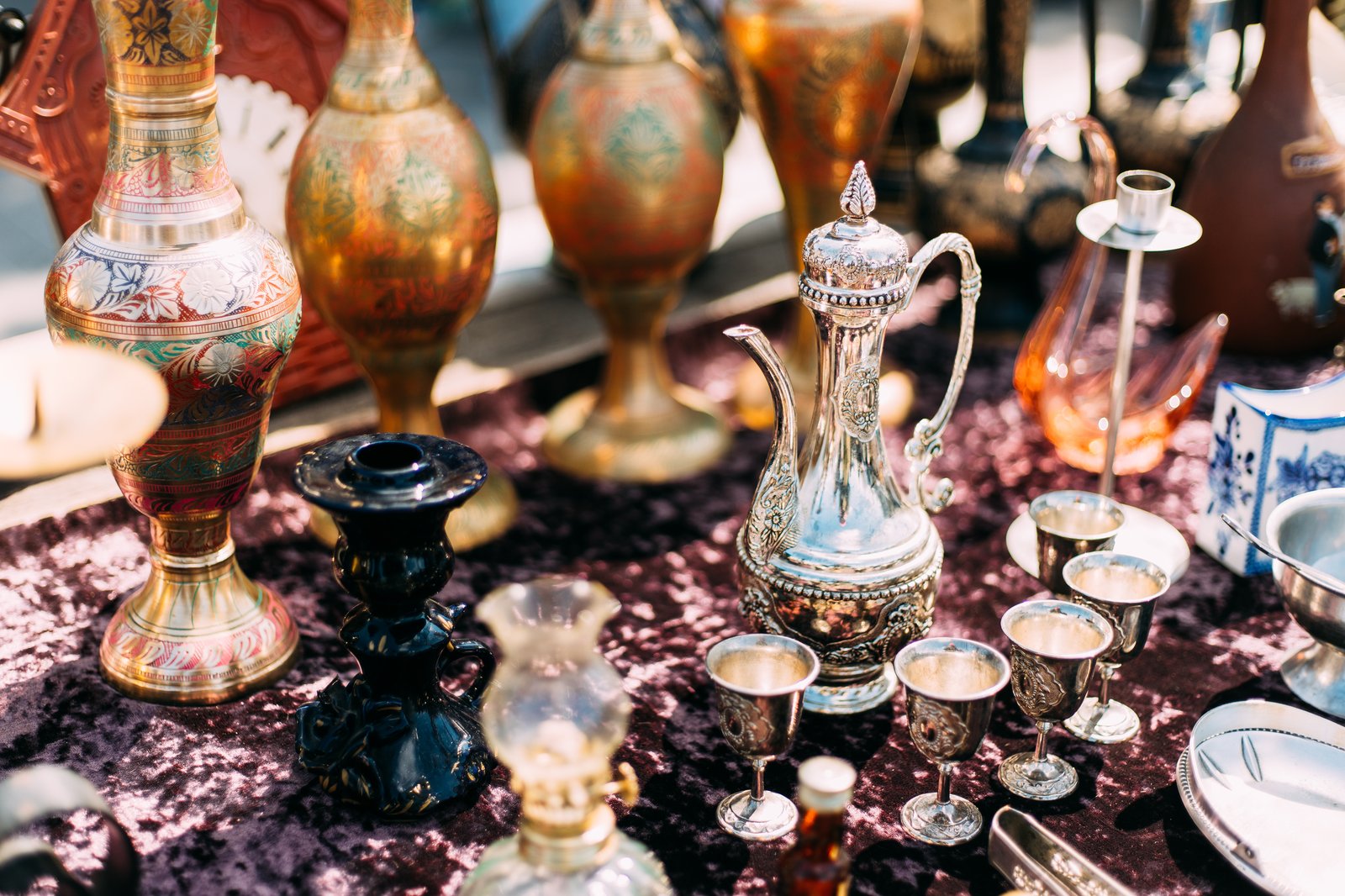
Established in the mid-1980s, it’s the kind of place where a little patience pays off. You’ll dig through boxes of Soviet-era watches, old İstanbul matchboxes, Ottoman-era silverware, cassette tapes, coins, vinyl records from the 60s, and creaky dolls that would terrify a child but delight a collector. Some stalls have genuine antiques; others are pure junk. The fun is in not knowing which is which until you look.
Getting There: Take the metro to Osmanbey (M2 line), then walk about 10 minutes toward Bomonti. Or take any bus toward Şişli. Address: Cumhuriyet Mah., Semt Pazarı No:8, Şişli. The market is partly covered, so it stays open in light rain.
💡 Pro Tip: Get there early — by 11:00 AM it gets very crowded and the best finds are already gone. Bargaining is expected; start at 30–40% below asking price and work from there. Most vendors understand basic English or can use a phone to translate.
What to Expect to Pay: A vintage glass set might go for 50–150 TL ($1–3.50). Old coins start at 20 TL ($0.45) and climb into the thousands for rare pieces. A decent vinyl record will cost you 50–200 TL ($1.15–4.50). Antique jewellery varies wildly — budget at least 300–1,000 TL ($7–23) for anything real.
—
Kadıköy Antique Market: The Asian Side Alternative
On the Asian side, the Kadıköy Antique Market (Kadıköy Antika Pazarı) is open every Sunday from 9:00 AM on Uzunçayır Caddesi, near the Kadıköy Salı Bazaar site. This is a favourite with locals — collectors and vintage enthusiasts descend early every Friday and Sunday for ceramics, old İstanbul posters, figurines, vintage clothing, and nostalgic household objects.
The vibe is more relaxed than Feriköy, a little more curated, and the surrounding neighbourhood of Kadıköy is excellent for food and coffee afterwards. After browsing the market, walk five minutes to Moda for a seaside tea or grab a fish sandwich from the pier.
Getting There: Take the Marmaray or a ferry to Kadıköy, then walk to Uzunçayır Caddesi. Hassanpaşa, Uzunçayır Cd. No:2/34, 34722 Kadıköy. About a 10-minute walk from the main Kadıköy ferry pier.
💡 Pro Tip: Friday is actually the best day to find bargains here — serious collector friends say prices are lower and selection is fresher on Fridays. On Sundays it’s more organised with a slightly wider variety, but prices are a touch higher.
—
Bomonti Antika Pazarı: Weekend Treasure Hunt
Bomonti Antika Pazarı in Şişli runs from Saturday evening through Sunday evening with around 200 stalls. This market is known for more unusual finds — vintage coffee cups, old car accessories, arcade game cartridges, long-play records, badges, pipes, and jewellery.
It’s less well-known than Feriköy and attracts fewer tourists, which means vendors are often more relaxed and prices are slightly softer. If you’re a serious collector, combining Feriköy on Sunday morning with Bomonti in the afternoon is a solid full-day antiquing route.
—
Grand Bazaar: What About Sundays?
Here’s the thing — the Grand Bazaar (Kapalıçarşı) is actually closed on Sundays. Many first-timers plan a Sunday visit and are disappointed to find the shutters down. It’s open Monday through Saturday, 8:30 AM to 7:00 PM. Entry is free. The Egyptian Spice Bazaar (Mısır Çarşısı) follows a similar schedule.
So if you’re in Istanbul on a Sunday specifically for market shopping, skip Sultanahmet and head straight to Feriköy, Kadıköy, or the Laleli area.
—
Laleli and the Replica/Fake Brand Area: The Honest Truth
Let’s talk about the elephant in the room. Laleli, the wholesale district near Sultanahmet, is world-famous — particularly among buyers from Eastern Europe, the Middle East, and North Africa — for replica clothing, leather goods, and shoes at very low prices.
The shoe district in Laleli (especially around Ordu Caddesi and the side streets heading towards Aksaray) has hundreds of shops selling every style of shoe imaginable. Some are genuine Turkish-made leather products at excellent prices; others are obvious replicas of branded footwear. Prices for shoes start from as low as 300–600 TL ($7–14) for basic styles and go up to 1,500–3,000 TL ($34–68) for leather dress shoes.
Be honest with yourself about what you’re buying. Turkey has improved counterfeit enforcement over the years, and customs in many countries will confiscate obvious fakes. That said, plenty of items in Laleli are simply unbranded Turkish-made goods of decent quality that look similar to European styles — and those are perfectly legal and often great value.
What to Avoid in Laleli: Don’t shop here after dark, especially around the Aksaray side. Stick to daytime visits. Solo female travellers may receive unwanted attention — go with company if possible. Don’t accept invitations to follow vendors into back rooms, and always agree on a price before handling goods.
—
Çukurcuma: Not a Market, But Don’t Miss It
Just uphill from Galata in the Beyoğlu district, Çukurcuma is not technically a Sunday market but a neighbourhood of antique shops that’s open most days. This is where serious collectors and interior designers shop. You’ll find Ottoman furniture, art deco lamps, vintage maps, and unusual objects that look like they belong in a museum. It’s the pricier end of Istanbul’s antique world, but the quality is genuinely high.
Getting There: Walk from Galata Tower uphill toward Cihangir. Çukurcuma Caddesi is the main street.
—
What to Avoid at Istanbul’s Bazaars
– Being overcharged for tourist goods: If a price seems absurdly high for a mass-produced item, it is. Original antiques take knowledge to spot; when in doubt, buy for pleasure, not investment.
– Carrying all your cash in one place: Pickpocketing can happen in crowded markets. Use a front pocket or travel wallet.
– Skipping the haggle: Not bargaining at a flea market is actually seen as strange. A polite counter-offer is always expected.
– Going to the Grand Bazaar on a Sunday: It’s closed. Don’t waste the trip.
—
Quick Price Reference (March 2026)
| Item | Typical Price (TL) | Approx. USD |
|---|---|---|
| Vintage vinyl record | 50–200 TL | $1.15–4.55 |
| Old Ottoman coin | 20–500 TL | $0.45–11.35 |
| Vintage ceramic cup | 30–150 TL | $0.68–3.40 |
| Turkish rug/kilim (small) | 500–3,000 TL | $11–68 |
| Shoes (Laleli district) | 300–3,000 TL | $7–68 |
| Antique silver jewellery | 300–2,000 TL | $7–45 |
—
Conclusion
Istanbul’s Sunday markets are one of those experiences that don’t cost much but give back enormously. Whether you walk away with a dusty oil painting or just a glass of çay from a market stall, the sensory experience of wandering these bazaars is something no shopping mall can replicate. Have you found a remarkable treasure at an Istanbul market? Share your story in the comments — we’d love to hear it.
[Image alt text: Feriköy Antique Market stalls with vintage vinyl records and Ottoman objects on Sunday morning]
Prices last updated: March 2026. Exchange rate: 1 USD ≈ 45 TL.
—
Article 2 | Title: Horse Riding Near Istanbul: Trails, Stables, and Day Trips | Category: outdoors
—
—
Useful links: Go Türkiye – Istanbul Tourism · Turkish Museums Portal