
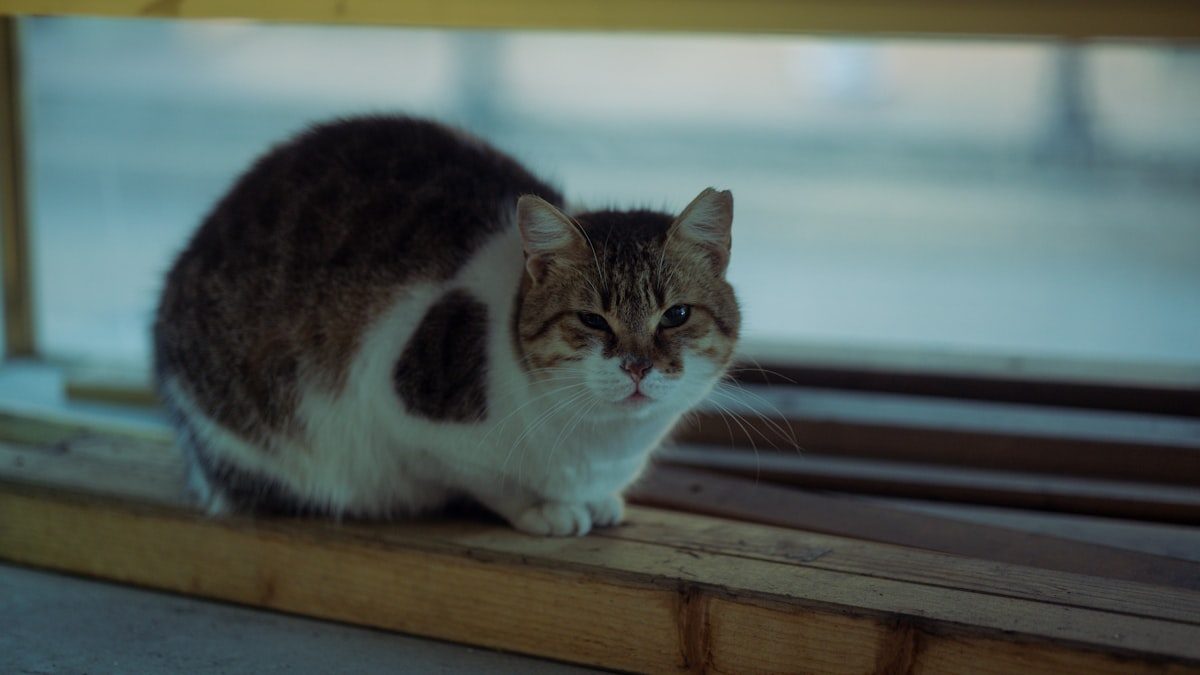
You’ll notice them within minutes of arriving. A tabby lounging across a restaurant chair like she owns the place. A ginger tom perched on a fishmonger’s counter, negotiating with his eyes. Three kittens tumbling over each other on the steps of a 500-year-old mosque while an imam watches, smiling. In Istanbul, cats aren’t pets. They aren’t strays. They’re something entirely unique — a third category that exists nowhere else quite like it does here. They are, in the most literal sense, the city’s unofficial citizens. And understanding Istanbul’s relationship with its cats tells you more about this city’s soul than any mosque or palace ever could.
A City Shared: The Numbers Behind the Fur
An estimated 250,000 street cats roam Istanbul at any given time. Not feral, not domesticated — somewhere beautifully in between. They sleep in shop doorways, patrol fish markets, commandeer café tables, and ride ferries with the nonchalance of seasoned commuters. As photographer Marcel Heijnen, author of City Cats of Istanbul, puts it: these felines “are not owned by individual people but are cared for by the community within their neighborhoods.”
This isn’t neglect. It’s a collective guardianship woven into the fabric of daily life. Walk down any residential street and you’ll see small food and water bowls outside shops and apartments. Tiny shelters made from cardboard boxes or purpose-built wooden houses appear on sidewalks. Neighbors share the feeding duties without formal coordination — it just happens, the way the call to prayer happens, the way tea appears whenever you sit down anywhere.
Why Cats? The Historical Roots
Istanbul’s love affair with cats is centuries deep. In Islamic tradition, cats hold a special place — the Prophet Muhammad is said to have been so fond of his cat Muezza that he cut the sleeve of his robe rather than disturb the sleeping animal. A popular Turkish saying captures the local sentiment: “If you kill a cat, you need to build a mosque to be forgiven by God.”
During the Ottoman era, the relationship became institutional. Cat caretakers were employed to look after the city’s felines, and many mosques maintained dedicated cat populations — both for companionship and the practical service of keeping mice away from precious manuscripts and grain stores. This tradition hasn’t disappeared; it’s simply evolved. Today, every municipality in Istanbul has a veterinary unit that provides free neutering services for street cats, and private veterinary clinics routinely offer reduced rates for strays brought in by concerned neighbors.
>
💡 Pro Tip: If you see a cat that appears injured or very thin, you can call the local municipality’s veterinary service. Locals do this regularly. It’s part of how the system works.
Where to Meet Istanbul’s Most Famous Felines
Cats are literally everywhere in Istanbul, but some spots are especially magical for cat encounters.
Sultanahmet and the Historic Peninsula
The area around Hagia Sophia and the Blue Mosque is prime cat territory. These cats are well-fed, photogenic, and supremely confident around humans. They drape themselves across ancient walls and bask in the gardens between monuments. Some have become minor celebrities — look for the plump residents of the Hagia Sophia courtyard, who’ve been lounging there long enough to feel proprietary about the place.
⚠️ Restoration note (2026): Hagia Sophia is undergoing a multi-year structural restoration. Significant interior areas may be covered with scaffolding during your visit. The site remains open and the entrance fee is unchanged.
Kadıköy Fish Market
This bustling Asian-side market is cat paradise. Fishmongers toss scraps to eager felines who’ve learned exactly which stalls are most generous. The cats here are bold, well-fed, and provide endless entertainment as they negotiate the market’s narrow aisles with the confidence of regulars at their favorite restaurant.
The Bosphorus Ferry Terminals
Ferry docks across the city — especially Eminönü, Karaköy, and Kadıköy — attract cats drawn by the smell of fish and the steady stream of friendly passengers. Some cats have reportedly been riding ferries for years, commuting between the European and Asian sides with a regularity that puts most human commuters to shame.
Mosque Courtyards
Nearly every mosque in Istanbul has resident cats. Süleymaniye Mosque’s peaceful courtyard, with its ancient plane trees and Bosphorus views, is especially lovely for a quiet moment with a mosque cat curled at your feet. The cats here are calm, contemplative — as though the spiritual atmosphere has rubbed off on them.
Cihangir
This bohemian neighborhood has an especially strong cat culture. Café terraces are full of friendly felines, and the neighborhood even had a famous statue of Tombili — a rotund street cat beloved for lounging on a step in a hilariously human-like pose. Tombili passed away in 2016, but her statue remains a pilgrimage site for cat lovers.
The Cat Museum Istanbul
Opened in October 2023 near Galata Tower, the Cat Museum Istanbul is the city’s love letter to its felines made physical. Founded by Fatih Dağlı, it houses what aims to become the world’s largest collection of cat-related art, with pieces from around the globe. The entrance is free (they ask you to support the cause by purchasing merch — proceeds help street cats). Real neighborhood cats wander in and nap among the exhibits, blurring the line between art and life in the most Istanbul way possible.
Getting There: A 9-minute walk from Şişhane metro station, on a side street near Galata Tower. Look for the quiet street parallel to the tourist souvenir shops.
Kedi: The Documentary That Captured It All
If you want to understand Istanbul’s cat culture before you arrive, watch Kedi (2017), a beautifully shot documentary that follows seven street cats through their daily lives in the city. It’s been called “a love letter to cats and their city,” and it earned a 7.6/10 on IMDb from 17,000 reviews. One line from the film captures the essence perfectly: “Without the cats, Istanbul would lose part of its soul.”
The film shows the individual personalities — the thief, the flirt, the carefree one — and the humans who care for them. It’s tender, funny, and profoundly moving. Watch it on a plane to Istanbul and you’ll arrive already looking for familiar faces.
How Istanbul Cares for Its Cats Today
The care system is remarkably organized for something that appears entirely organic:
- Municipal veterinary units in every district provide free neutering and medical care
- Community-funded veterinary visits — neighbors pool money for treatments at private clinics, which often give discounted rates for street cats
- Feeding networks — informal but consistent, with regulars in every neighborhood who ensure bowls are filled
- Cat shelters built by the municipality — small heated shelters appear in parks and on sidewalks during winter
- Legal protections — Turkish animal welfare law protects street animals and mandates municipal care
It’s not a perfect system. Some cats are still thin and skittish in less affluent neighborhoods. But the overall ethos — that these are shared residents deserving of care and respect — is genuinely unique in the world.
What to Avoid: Cat Etiquette in Istanbul
- Don’t try to “rescue” healthy street cats. They’re not lost — they’re home. Istanbul’s street cats live in a community care system. Picking them up and taking them to a shelter disrupts that system.
- Don’t feed cats from your restaurant plate (at least not obviously). Some restaurant owners don’t mind, but others find it unhygienic. Buy a small packet of cat food from any bakkal (corner store) if you want to make friends.
- Be gentle. Most Istanbul cats are friendly, but approach slowly and let them come to you. A slow blink is the universal cat greeting — they’ll blink back.
It’s Not Just Cats
Istanbul also has a significant stray dog population, though dogs are less integrated into daily life than cats. You’ll see large, gentle street dogs throughout the city — most are neutered and ear-tagged by municipalities. They’re generally friendly and unbothered by humans. The two species coexist with a kind of mutual indifference that feels very Istanbul: live and let live, there’s room for everyone.
Istanbul is one of those rare places where the relationship between humans and animals tells you something true about the character of the people. In a city that can be loud, chaotic, and overwhelming, the tenderness shown to a street cat drinking from a sidewalk bowl is a small, quiet act of grace. It’s one of the things that makes this city extraordinary.
Are you a cat person visiting Istanbul? What was your best feline encounter? Share your stories and photos in the comments — I never get tired of them.
Useful links: Go Türkiye – Istanbul Tourism · Turkish Museums Portal
Prices last updated: March 2026. Exchange rate used: 1 USD ≈ 45 TL. Prices in Turkish lira can change frequently due to inflation. Attraction fees set in euros (€) are more stable. Always check official websites for the latest prices before your visit.