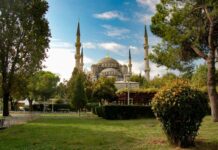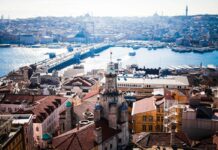
Most visitors to Istanbul never leave Sultanahmet. They see the Hagia Sophia, walk through the Grand Bazaar, and think they’ve “done” the old city. But Sultanahmet is only one corner of Fatih — a sprawling district of 57 neighborhoods that covers Istanbul’s entire historic peninsula. This is the original walled city, the place where Constantine founded his empire and Fatih Sultan Mehmed conquered it in 1453. And beyond the tourist cluster, Fatih holds some of Istanbul’s most authentic, colorful, and quietly powerful neighborhoods.
⚠️ Restoration note (2026): Hagia Sophia is undergoing a multi-year structural restoration. Significant interior areas may be covered with scaffolding during your visit. The site remains open and the entrance fee is unchanged.
If Sultanahmet is the museum, the rest of Fatih is the living city — conservative in character, rich in diversity, and home to communities that have been here for centuries. This Fatih neighborhood guide takes you into the streets where the tour buses don’t stop: Balat’s rainbow staircases, Fener’s Greek Orthodox heritage, Süleymaniye’s commanding hilltop mosque, and the local markets where you’ll be the only foreigner.
Overview and Character
Fatih is Istanbul’s most conservative major district. You’ll notice more women wearing headscarves, fewer bars and nightlife options, and a slower, more traditional rhythm of life. This isn’t a drawback — it’s a feature. Fatih offers an unfiltered window into daily Istanbul life that the tourist zone simply can’t provide. The district is named after Fatih Sultan Mehmed (“the Conqueror”), and his monumental mosque still anchors the neighborhood’s spiritual and social life.
The district covers the entire historic peninsula, surrounded by the Golden Horn to the north, the Sea of Marmara to the south, and the ancient Theodosian Walls to the west. Within this footprint, you’ll find seven of Constantinople’s original seven hills, each crowned with a mosque.
Top Sights and Attractions
Süleymaniye Mosque and Complex: Many locals will tell you this is the greatest mosque in Istanbul — more beautiful, more serene, and less crowded than the Blue Mosque. Designed by the legendary architect Mimar Sinan for Sultan Süleyman the Magnificent, it sits atop the Third Hill with panoramic views across the Golden Horn to the Galata Tower. Free to enter. The surrounding complex includes a former madrasa, a hammam, and the tombs of Süleyman and his wife Roxelana. The terrace views are arguably the best in the old city.
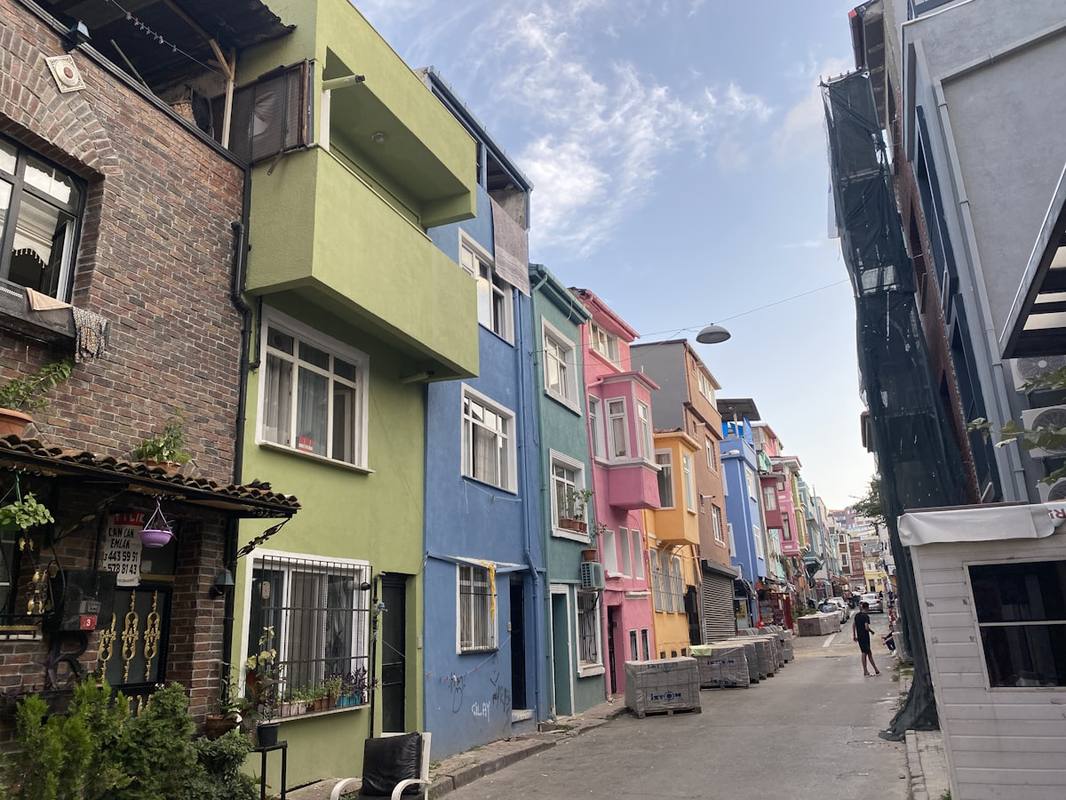
Balat and Fener: These neighboring waterfront communities are Istanbul’s most Instagrammable — and most historically layered — neighborhoods. Balat was the historic Jewish quarter under the Ottomans, while Fener housed the Greek Orthodox elite. Today, colorful wooden Ottoman houses line steep streets, rainbow staircases draw photographers, and a new generation of cafés and galleries has moved in alongside the original residents.
Key sights in Balat and Fener:
- Merdivenli Yokuş Evleri: The famous steep street lined with colorful houses and stairways — one of Istanbul’s most photographed spots.
- Phanar Greek Orthodox College (Red Castle): The imposing red-brick school on the hilltop, designed by Greek architect Konstantinos Dimadis.
- Ecumenical Patriarchate of Constantinople: The spiritual center of Orthodox Christianity, with the Cathedral of St. George and a patriarchal throne dating to the 5th century.
- Bulgarian St. Stephen Church (Iron Church): An extraordinary church made entirely from prefabricated cast iron, shipped from Vienna in 1896.
- Church of Saint Mary of the Mongols: The only Byzantine church in Istanbul that was never converted into a mosque.
- Balat Toy Museum: A small, charming museum of vintage toys — especially fun with children.
Chora Museum (Kariye Camii): Originally a Byzantine church, later a mosque, and now partially open for visits. Its 14th-century mosaics and frescoes are considered among the finest surviving examples of Byzantine art anywhere in the world. Located in the Edirnekapı neighborhood near the old city walls.
Fatih Mosque: The first great imperial mosque built after the Ottoman conquest, on the site of the former Church of the Holy Apostles. Rebuilt after an 18th-century earthquake, it anchors a large complex and remains one of the most important congregational mosques in the city.
Yavuz Selim Mosque: Perched on the Fifth Hill, this lesser-visited mosque offers stunning views and a peaceful garden. Named after Sultan Selim I, it’s surrounded by an atmospheric old cemetery.
Theodosian Walls (Fatih/Edirnekapı): The land walls that protected Constantinople for over a thousand years. Sections have been restored near Edirnekapı, and walking along them is a haunting experience — you’re tracing the line where, in 1453, the medieval world ended.
Zeyrek District and Zeyrek Mosque: The former Church of the Pantocrator, a significant Byzantine-era complex. The surrounding neighborhood is full of old wooden houses in various states of repair — photogenic and atmospheric.
Çinili Hammam: A 16th-century bathhouse in Zeyrek designed by Mimar Sinan. Recently restored, it offers a more authentic (and affordable) hammam experience than the tourist-oriented options.
Best Restaurants and Cafés
Fatih is where you eat like a local — at workers’ restaurants, street carts, and family-run kitchens.
- Sefa Restaurant: A no-frills lokanta near the Grand Bazaar. Point-and-choose your meal from the display. Excellent Turkish home cooking at rock-bottom prices.
- 79 Cafe Restaurant (Fatih): A popular lokanta with locals — kuru fasulye (white bean stew), rice, and bread for a fraction of what you’d pay in Sultanahmet.
- Balat’s cafés: New-wave coffee shops and brunch spots have opened along the colorful streets. Look for the ones on and near Vodina Caddesi.
- Şehzade Cağ Kebap (Sirkeci/Hocapaşa): Outstanding cağ kebab at local prices.
- Pandeli Restaurant (Spice Bazaar): A classic above the Spice Bazaar’s entrance, serving Ottoman-inspired dishes since 1901. Beautiful tiled interior.
- Street food around Eminönü: Simit vendors, corn carts, and the famous balık ekmek (fish sandwich) boats bobbing by Galata Bridge.
>
💡 Pro Tip: For the most authentic eating experience, find a lokanta (workers’ restaurant) where there’s no English menu. Point at what looks good, sit down, and enjoy a meal that costs under 200 TL.
Shopping Spots
- Grand Bazaar (Kapalıçarşı): Over 4,000 shops in a maze of covered streets. Separate sections for gold, ceramics, leather, carpets, and lamps. Bargain hard. Closed Sundays.
- Spice Bazaar (Mısır Çarşısı): Beautiful vaulted ceiling, intoxicating aromas. Buy saffron, Turkish delight, dried fruits, and teas — but compare prices before committing.
- Sahaflar Çarşısı (Book Bazaar): A hidden courtyard near the Grand Bazaar crammed with secondhand and rare books since the 16th century.
- Fatih Wednesday Market (Çarşamba Pazarı): A massive open-air market that sprawls through the streets every Wednesday. Fabrics, clothing, household goods, and produce at local prices. It feels like a sprawling bazaar and is rarely visited by tourists.
- Balat antique and vintage shops: Small, eclectic shops along the neighborhood’s main streets sell everything from Ottoman brassware to vintage furniture.
Getting There
- T1 Tram: Stops throughout Fatih — Sultanahmet, Çemberlitaş, Beyazıt (for the Grand Bazaar), Aksaray, and Laleli. This is the spine of the district.
- T5 Tram (Eminönü–Alibeyköy): Runs along the Golden Horn waterfront through Fener and Balat.
- From the Airport: Havaist bus HVIST-12 to Aksaray, then T1 tram to your destination.
- Walking: The entire district is walkable, though hilly. Budget 20–30 minutes to walk from Sultanahmet to Balat.
- Marmaray train: Stops at Sirkeci (eastern edge of Fatih), connecting to the Asian side in under 10 minutes.
Where to Stay
Fatih outside Sultanahmet isn’t a top pick for first-time visitors — nightlife is scarce and the neighborhood is conservative. But for travelers seeking authenticity, Balat has charming guesthouses and small hotels:
| Budget | Option | Why |
|---|---|---|
| Budget | Balat Residence | Colorful neighborhood, excellent value |
| Mid-range | Boutique guesthouses in Balat/Fener | Historic houses converted to places to stay |
| Upscale | Stay in Sultanahmet or Karaköy | Better setup for high-end travelers |
Best Time to Visit
- Morning: Arrive at Süleymaniye Mosque before 10 AM for the best light and fewest visitors.
- Wednesday: The Fatih Wednesday Market is worth timing your visit around.
- Spring (April–May): Comfortable walking weather for the hilly streets of Balat and Fener.
- Autumn (September–October): Golden light, smaller crowds, and pleasant temperatures.
- Ramadan: Fatih is the most atmospheric neighborhood during Ramadan — iftar meals, evening crowds, and mosque illuminations create a special energy.
Insider Tips
- Hire a local walking tour guide for Fener and Balat. The history here — Greek, Jewish, Armenian, Bulgarian — is dense and much richer with context.
- The T5 tram along the Golden Horn stops right in Fener and Balat, making it easy to combine with a visit to Eminönü or the Spice Bazaar.
- Soğukçeşme Street between Hagia Sophia and Topkapı Palace is a quiet, photogenic Ottoman-era lane that most visitors walk right past.
What to Avoid
- Assuming “conservative” means “unwelcoming.” Fatih residents are generally warm and hospitable. Dress modestly out of respect — cover shoulders and knees, especially near mosques — and you’ll be treated with genuine friendliness.
- The back streets of Fatih at night if you’re unfamiliar with the area. It’s not dangerous, but it’s poorly lit and can feel isolated.
- Expecting nightlife or alcohol. Many restaurants in Fatih’s more conservative core don’t serve alcohol. If you want a beer, head to Balat’s cafés or cross to Beyoğlu.
- Rushing through Balat for Instagram photos only. These are real neighborhoods where people live. Be respectful of residents, ask before photographing people, and support local businesses.
Conclusion
Fatih is Istanbul’s deepest layer — the city beneath the city, where Byzantine walls meet Ottoman mosques, and colorful Jewish and Greek quarters sit alongside conservative Turkish neighborhoods. It rewards slow exploration, genuine curiosity, and a willingness to wander beyond the guidebook. If Sultanahmet shows you Istanbul’s greatest hits, the rest of Fatih shows you its soul. Have you ventured beyond Sultanahmet into the old city — and what did you discover?
—
Useful links: Go Türkiye – Istanbul Tourism · Turkish Museums Portal
Prices last updated: March 2026. Exchange rate used: 1 USD ≈ 45 TL. Prices in Turkish lira can change frequently due to inflation. Attraction fees set in euros (€) are more stable. Always check official websites for the latest prices before your visit.