Rhinoplasty recovery takes longer than most clinics tell you upfront. The visible swelling is mostly gone by week three, but your nose keeps changing for a full year. If you are planning to have a nose job in Istanbul and then fly home a week later, you need to read this first. Here is what actually happens, day by day, so you can plan your stay and set real expectations.
Days 1 to 3: The Hard Part
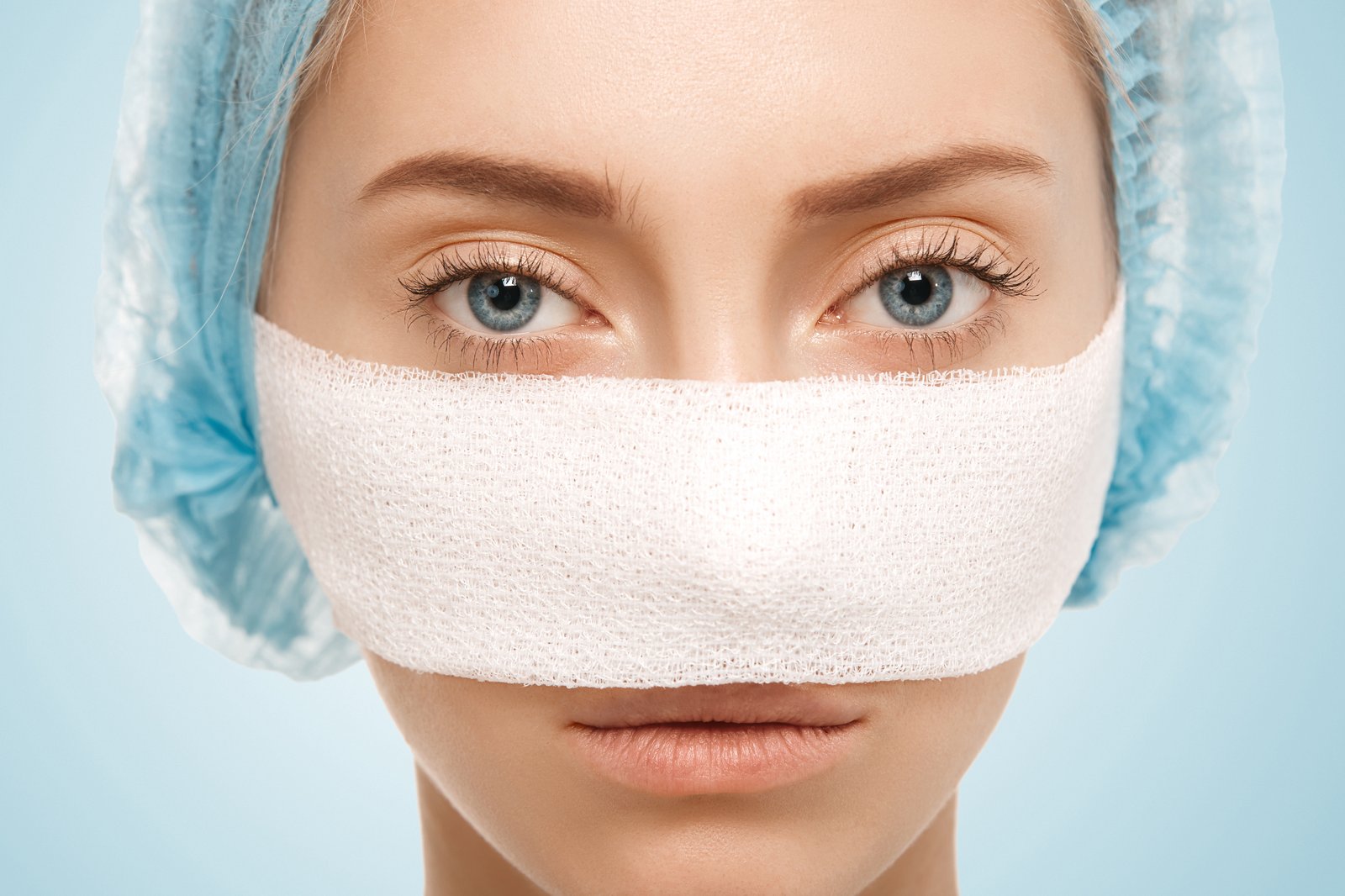
The first 72 hours are the worst. You will wake up from surgery with a splint on your nose, packing inside your nostrils, and your face already starting to swell. Breathing through your nose is not possible. Everything has to go through your mouth, which is uncomfortable and drying.
Pain is usually manageable with the medication your clinic provides. What most patients do not expect is the pressure. Your face feels heavy and full. Sleeping with your head elevated on two or three pillows is not optional. It is the single most important thing you can do to limit swelling.
You will not want to leave the hotel. That is fine. Plan for this. Book a room with good air conditioning and easy access to food delivery. Most Istanbul clinics have a patient coordinator who checks in on days 1 and 2. If yours does not, ask for one before you leave the clinic.
Days 4 to 7: First Follow-Up and Packing Removal
Most surgeons remove nasal packing between day 3 and day 5. This appointment feels like a big moment. Breathing through your nose again is a relief, though the inside is still swollen and airflow is partial at best.
Bruising under the eyes usually peaks around day 4 and then starts to fade. You will look worse before you look better. That is normal. Do not panic at the mirror on day 5.
The splint stays on. You go back to the hotel. Short, slow walks outside are possible at this point, but nothing strenuous. Avoid crowded areas, both for infection risk and because a bump to your nose right now would be a serious problem.
💡 Pro Tip: Bring a travel pillow with a hole in the center, sometimes called a donut pillow. It stops you from rolling onto your nose in your sleep and is worth every lira you spend on it.
Day 7 to 10: Splint Off
Your surgeon removes the external splint around day 7 to 10. This is the appointment most patients are nervous about. Your nose will not look like your final result. It will be swollen, possibly asymmetrical, and the tip will be stiff and high. That is all normal.
This is also when most patients can realistically consider flying home, if they have to. The Turkish Ministry of Health guidelines recommend waiting at least 7 days before air travel after rhinoplasty. Some surgeons prefer 10 to 14 days. Ask yours specifically, because individual cases vary.
Swelling at this stage is still significant, roughly 60 to 70 percent of peak swelling. Your nose looks big. The tip looks upturned or bulbous depending on your surgery. This is not your result.
Weeks 2 to 4: Visible Progress
By the end of week two, bruising is usually gone. Swelling drops noticeably each day. You can see the general shape emerging, though the tip remains firm and swollen.
Things to avoid in this period:
- Sunglasses resting on the bridge of your nose (use tape to suspend them from your forehead if needed)
- Blowing your nose forcefully
- Contact sports or any impact risk
- Swimming pools or the sea, due to infection risk
- Bending sharply at the waist for extended periods
- Spicy food and alcohol, which both increase swelling
Week three is when most patients feel comfortable going out in public without explaining themselves. The swelling is no longer obvious to strangers. People who know you will notice something is different but may not identify what.
Months 1 to 3: Functional Recovery
By month one, breathing through your nose is mostly normal. The bridge looks close to its final shape. The tip is still stiff and slightly swollen, especially in the morning when you first wake up.
Light exercise can resume around week 3 to 4 with your surgeon’s approval. Running and higher-impact activity typically returns at 6 weeks. You should still avoid contact sports for three months minimum.
At month three, many patients hit a frustrating phase where progress stalls. Swelling can plateau for weeks at a time, especially in the lower third of the nose and the tip. This is normal. It does not mean something went wrong.
💡 Pro Tip: Take photos every two weeks in the same lighting and from the same angles. Day-to-day changes are invisible to you. The two-week comparison photos are the ones that show real progress and keep you sane during the slower periods.
Month 6 to 12: The Final Result
Most of the visible swelling is resolved by month 6. The shape is close to final. Tip refinement and the very subtle changes in skin drape continue until the 12-month mark, sometimes longer for patients with thicker skin.
If something still looks off at 6 months, book a video consultation with your surgeon before assuming you need a revision. Lighting, angles, and residual swelling account for many concerns that resolve on their own by month 9 or 10.
Revision rhinoplasty, if genuinely needed, cannot be safely performed until at least 12 months post-op. Any clinic offering to revise at 6 months is moving too fast.
What Can Go Wrong and When to Call Your Doctor
Rhinoplasty is common in Istanbul and outcomes are generally good, but complications do happen. Know the warning signs:
- Fever above 38.5°C in the first week: call immediately
- Increasing pain after day 3 rather than decreasing: contact your clinic same day
- One side noticeably more swollen than the other after week 2: worth flagging
- Numbness at the tip that has not improved at all by month 3: discuss with your surgeon
- Breathing that is worse than before surgery at month 6: requires formal evaluation
Turkish clinics are generally responsive to follow-up questions via WhatsApp. Get your surgeon’s direct line before you leave Istanbul, not just the front desk number.
Planning Your Istanbul Stay Around Recovery
Plan for a minimum of 10 to 12 days in Istanbul after surgery. Seven days is technically possible, but it leaves no buffer if your splint removal is delayed or you have unexpected swelling.
Sultanahmet and Beyoglu are fine areas to stay for recovery. You will not be doing hills or cobblestones in the first week, so a hotel with a lift and easy ground-level access matters. Many medical tourism patients stay in Sisli or Levent for exactly this reason: the streets are flatter and modern hotel infrastructure is easier to navigate while you recover.
Read our full guide to medical tourism in Istanbul for clinic selection advice, what questions to ask before booking, and how to verify accreditation. You can also review health tourism licensing information from the Turkish Ministry of Health.