Life in Istanbul: The Complete Expat Guide for 2026
Everything you need to know about living in Istanbul as an expat: neighborhoods, costs, culture shock, and the honest reality of daily life in 2026.

The evening ferry from Kadıköy cuts across the Bosphorus, the Asian skyline fading behind you as minarets and skyscrapers on the European side sharpen into focus. Commuters sip çay from tulip glasses, seagulls trail the wake, and the whole city glows gold. This is your commute now. Not a vacation snapshot, but your actual Tuesday evening. Life in Istanbul hits different when it stops being a trip and starts being home. But between the magic, there’s bureaucracy, inflation, earthquake anxiety, and a city so enormous it takes two hours to cross. This guide covers the full, honest picture of expat life in Istanbul in 2026: the spectacular parts and the parts nobody warns you about.
Why Expats Choose Istanbul
Istanbul draws people for reasons that don’t fit neatly on a pros-and-cons list. The food alone could justify the move. You’ll eat better for less than almost anywhere in Europe. The cultural depth is staggering: Byzantine churches, Ottoman mosques, and street art on the same block. Turkish Airlines’ hub means you’re a direct flight from 300+ destinations. And if you earn in dollars, euros, or pounds, the exchange rate (around 50 TL to $1 in November 2026) makes a comfortable lifestyle genuinely affordable.
But expats also come because Istanbul has an energy that’s hard to replicate. As one Reddit user on r/istanbul put it: “Istanbul is amazing if you have the money. The main reason Istanbulites are done with the city is money.” That distinction matters. Your experience as a foreign-currency earner will be fundamentally different from that of someone earning in lira.
Best Neighborhoods for Expats
Istanbul spans two continents and dozens of distinct neighborhoods. Where you live shapes your entire experience.
| Neighborhood | Side | Vibe | Monthly Rent (1BR) | Best For |
|---|---|---|---|---|
| Cihangir (Beyoğlu) | European | Bohemian, cafés, walkable | 25,000–40,000 TL ($500–$800) | Creative types, socializing |
| Kadıköy / Moda | Asian | Lively, multicultural, young | 20,000–35,000 TL ($400–$700) | Foodies, students, nightlife |
| Beşiktaş | European | Urban, well-connected | 25,000–40,000 TL ($500–$800) | Professionals, transit access |
| Üsküdar | Asian | Residential, family-friendly | 18,000–30,000 TL ($360–$600) | Families, quieter lifestyle |
| Nişantaşı / Şişli | European | Upscale, shopping, business | 30,000–50,000 TL ($600–$1,000) | Luxury, proximity to offices |
| Ataşehir | Asian | Modern, malls, corporate | 20,000–35,000 TL ($400–$700) | Business district workers |
Cihangir is the classic expat pick. It’s where you’ll hear the most English, find the trendiest cafés, and bump into other foreigners at the neighborhood bakery. But it’s hilly, parking is nonexistent, and rents have climbed.
Kadıköy (especially the Moda area) has become the favorite for younger expats and digital nomads (see also our tips for digital nomads). The food scene is unbeatable, the vibe is alternative and welcoming, and the ferry commute to the European side is genuinely enjoyable.
Finding an Apartment
Renting in Istanbul as a foreigner has its own learning curve:
- Sahibinden.com is the Turkish equivalent of Zillow and the largest listing site. Most listings are in Turkish, so Google Translate or a Turkish-speaking friend helps enormously.
- Expect upfront costs: First month’s rent + security deposit (usually one month) + agent commission (often one month’s rent). That’s three months’ rent before you move in.
- Aidat (maintenance fee): Apartment complexes charge a monthly aidat of 500–2,000 TL for shared services (security, cleaning, elevator maintenance). Always ask if this is included in the listed rent.
- Lease contracts are typically one year with annual increases. Negotiate the renewal rate. Some landlords have tried 50%+ annual increases in recent years due to inflation.
Culture Shock: What Nobody Warns You About
The good surprises:
- Turkish hospitality is real. Neighbors bring food when you move in. Shopkeepers remember your name.
- The delivery culture is extraordinary. Almost everything can be delivered to your door via apps like Getir, Yemeksepeti, and Trendyol.
- Public transport is excellent and cheap. An Istanbulkart ride costs 46.20 TL (about $1).
- The call to prayer five times daily becomes part of your life’s rhythm. Most expats grow to love it.
The hard adjustments:
- Traffic is soul-crushing. A 30-minute drive becomes 1.5–2 hours during rush hour. Live near a metro line.
- Bureaucracy is Kafka-esque. Residency permits, bank accounts, utility registration: everything involves multiple office visits, photocopied documents, and patience.
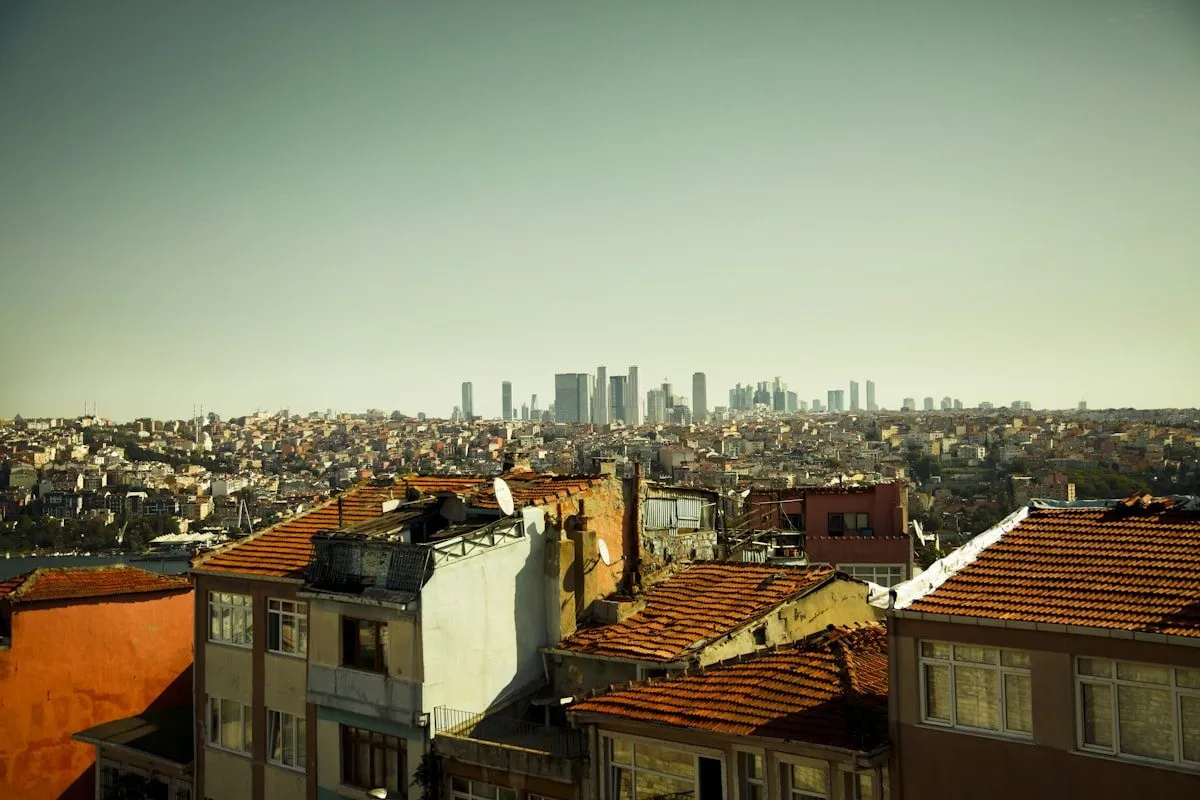
- The city is enormous. Istanbul has 16 million people across a landmass larger than London. Accept that you’ll only know your corner of it.
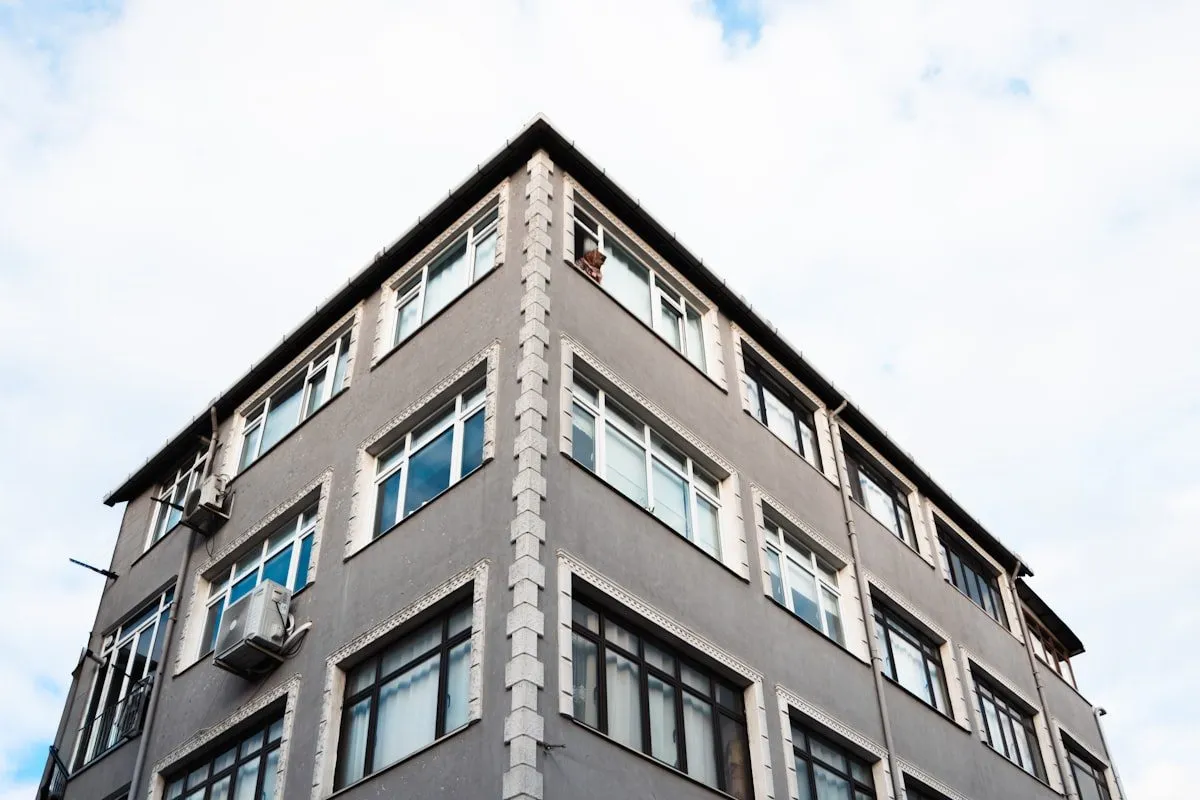
- Earthquake risk is real. Istanbul sits on the North Anatolian Fault. Choose buildings constructed after 2000 with earthquake-resistant standards.
- Noise is constant. Mosques, traffic, construction, street vendors, nightlife. If silence is essential, the Asian side offers more peace.
The Expat Social Scene
Making friends takes effort. Istanbul can feel cold in public. People are busy and commutes are long. But once you’re in someone’s circle, Turkish friendships run deep.
- InterNations and Meetup.com host regular expat events.
- Coworking spaces like CoBAC (near Galata) double as social hubs.
- Language exchange events are popular in Kadıköy and Beyoğlu.
- Sports leagues (football, basketball, running clubs) are the fastest way to meet both locals and expats.
- Learn Turkish. Even basic Turkish dramatically changes how locals interact with you. Tömer language courses at universities are a popular option.
Practical Essentials
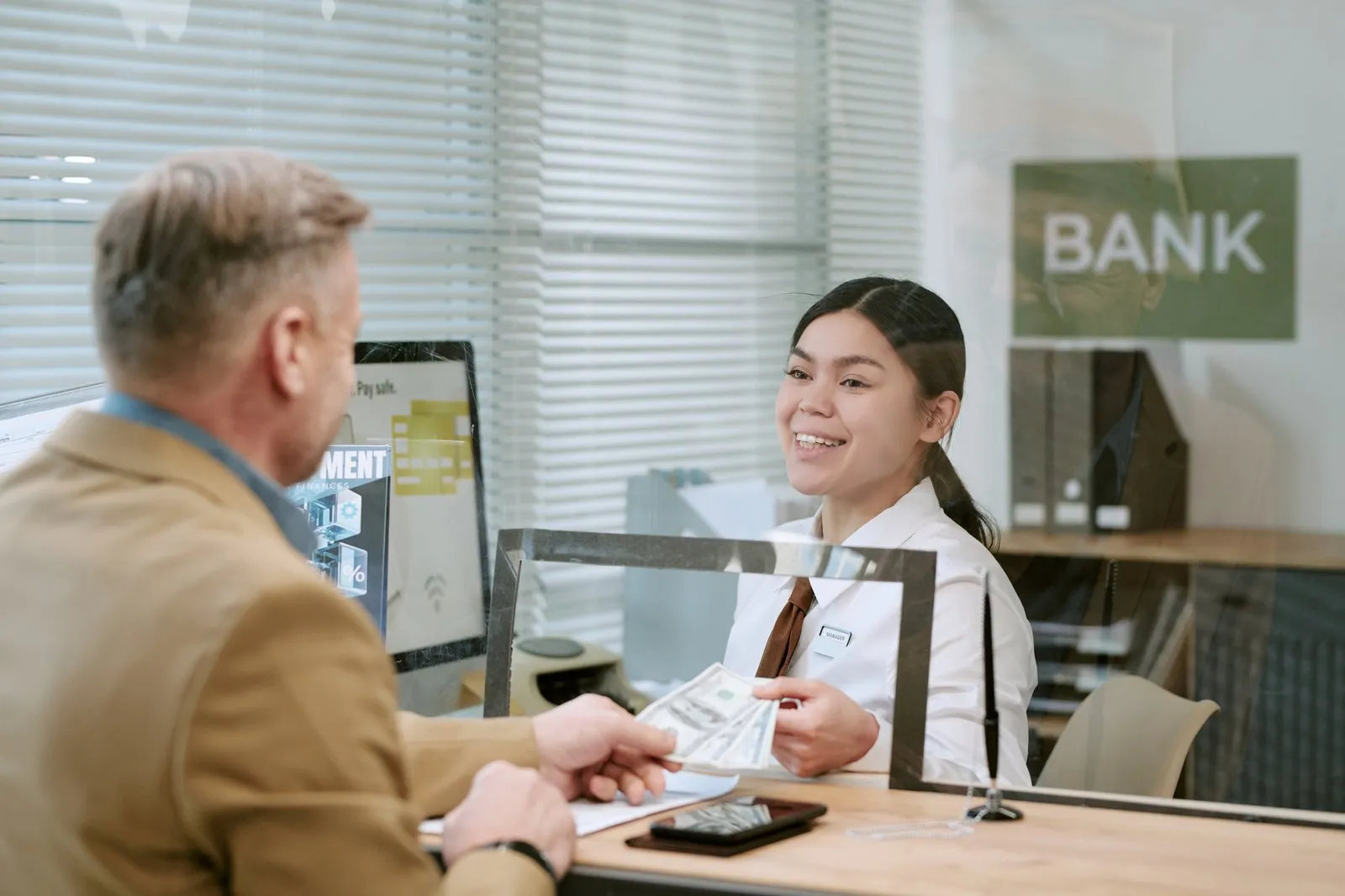
Banking: Open a Turkish bank account (Ziraat, İş Bankası, Garanti BBVA). You’ll need your passport, tax number (vergi numarası), and residence permit. Some banks open accounts for tourists, but a residence permit unlocks full services. Papara and Ininal are popular prepaid card alternatives.
Phone/SIM: Buy a Turkish SIM at Turk Telekom, Vodafone, or Turkcell shops near Taksim. A tourist SIM (Turkcell’s Tourist Welcome Pack: 20 GB and 200 minutes for 28 days) costs about 1,800 TL (about $36). Airport shops often charge about double, so buy in a city store if you can. For long-term, note that a foreign phone works with a Turkish SIM for 120 days. After that it gets blocked unless you register it, and registration costs 54,258 TL in 2026 (about $1,085) for foreign-bought phones, so many expats buy a cheap local phone instead.
Getting around: The Istanbulkart is your lifeline, valid on metro, tram, bus, ferry, and Marmaray. Monthly passes are available and pay off quickly if you ride every day; check the current price on the Metro Istanbul site. Taxis exist but scams are common; use BiTaksi or Uber apps instead of hailing.
Honest Pros and Cons
| Pros | Cons |
|---|---|
| Incredible food at every price point | Brutal traffic and long commutes |
| Rich culture, history, and nightlife | Inflation: prices change constantly |
| Affordable on foreign currency | Earthquake risk always present |
| World-class airport and airline | Bureaucracy for every official process |
| Vibrant, energetic atmosphere | Language barrier outside expat areas |
| Excellent public transport network | City is overwhelmingly large |
The Bottom Line
Istanbul isn’t an easy city. It’s loud, chaotic, enormous, and occasionally maddening. But the expats who stay (and many stay for years, even decades) almost universally describe it the same way: “There’s nowhere else like it.” If you’re earning in foreign currency, embrace the chaos, and pick the right neighborhood, life in Istanbul can be extraordinary.
Have you moved to Istanbul or are you planning the leap? Drop your questions in the comments. I’ve been through the entire process and I’m happy to help.
Prices checked November 2026. 1 USD is about 50 TL and 1 EUR is about 55 TL. Prices change often, so check before you go. Attraction fees set in euros (€) are more stable.

Written by Can
Can writes about everyday life in Istanbul: rent, visas, transport, work and the small things that make settling in easier.