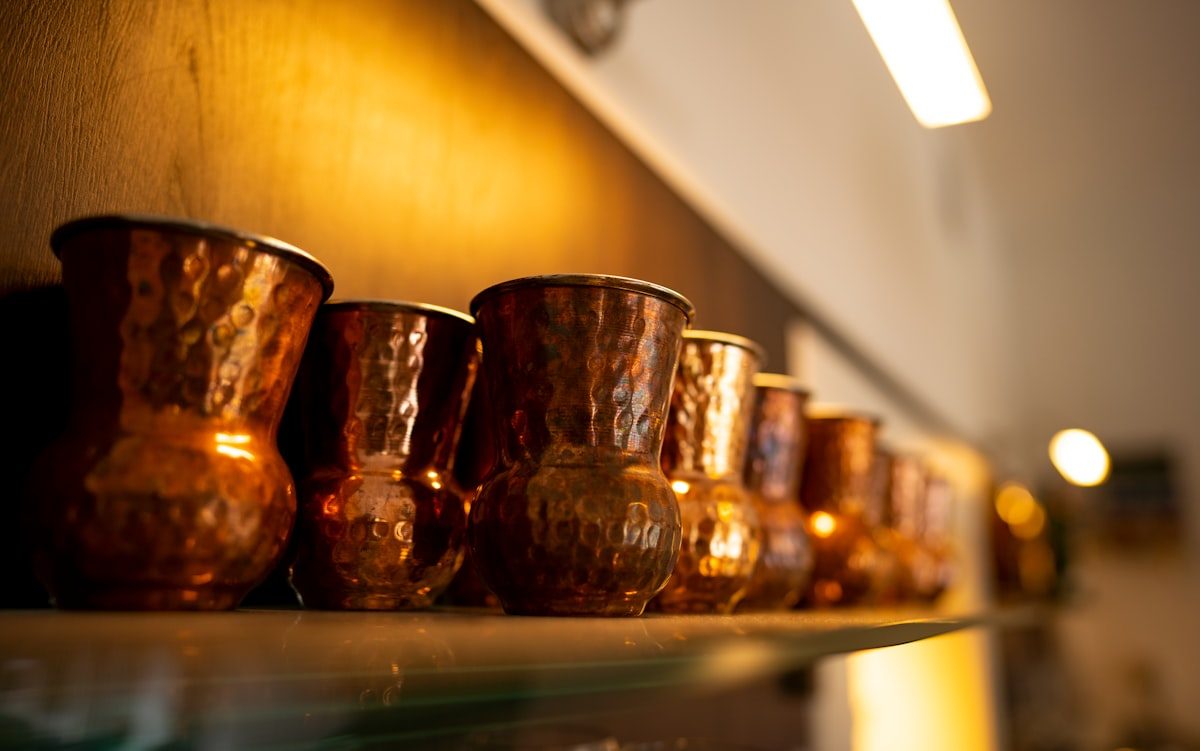
In Istanbul, tea and coffee are not beverages — they’re verbs. You don’t just drink tea; you “çay yapmak” (make tea) as a social act, a hospitality ritual, a pause in the rhythm of the day. Turkish coffee isn’t a caffeine delivery mechanism; it’s a 500-year-old tradition recognized by UNESCO as Intangible Cultural Heritage. Understanding Istanbul’s drink culture isn’t just about knowing what to order — it’s about understanding how the city socializes, does business, and expresses affection. Here’s your guide.
Turkish Tea (Çay)
The Basics
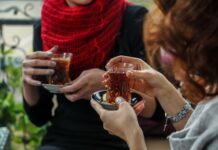
Turkish tea is black tea (Çamlık or Rize tea, grown on Turkey’s Black Sea coast), brewed strong in a double-stacked teapot (çaydanlık) and served in tulip-shaped glasses. It’s served everywhere — in restaurants, on ferries, in carpet shops, at barber shops, on street corners. Turkey consumes more tea per capita than any country on earth.
How to order:
- Açık — light (more water, less strong)
- Demli or koyu — strong (more tea concentrate)
- Sugar is served on the side in cubes. Most locals take 1–2 cubes.
Where to drink çay:
- Ferry rides — the onboard tea vendor is a Turkish institution. A glass of çay on the Bosphorus ferry is one of Istanbul’s perfect moments.
- Çay bahçesi (tea garden) — outdoor tea gardens in parks and Bosphorus-side spots. Try the tea gardens at Emirgan Park, Pierre Loti Café (Eyüp), and Kuzguncuk waterfront.
- Anywhere a shopkeeper offers it — accepting tea is a social ritual. In the Grand Bazaar, a glass of çay is the opening move of every commercial negotiation.
Cost: 20–50 TL per glass.
Turkish Coffee (Türk Kahvesi)
The Basics
Turkish coffee is finely ground coffee beans simmered with water (and optionally sugar) in a small pot called a cezve. It’s served unfiltered in a small cup, with the grounds settling at the bottom. The taste is strong, thick, and slightly gritty — “so thick a water buffalo wouldn’t sink in it,” as the saying goes.
How to order:
- Sade — no sugar
- Az şekerli — a little sugar
- Orta — medium sugar
- Şekerli — sweet
Always served with a glass of water (to cleanse the palate first) and often with a piece of Turkish delight.
The fortune-telling tradition: After finishing your coffee, turn the cup upside down on the saucer, let it cool, then have someone read the patterns in the grounds. It’s called fal (fortune-telling from coffee grounds), and it’s a beloved social tradition — part fun, part cultural ritual.
Where to Drink Turkish Coffee
Mandabatmaz (Beyoğlu) — The most famous. A tiny institution since 1967, tucked in an alley off İstiklal. The coffee is legendarily thick and rich. Grab a pavement stool and watch the neighborhood flow by.
Fazıl Bey (Kadıköy) — Operating since 1923 on Serasker Caddesi. Retro-chic interior, extraordinary dark-roast Turkish coffee, and traditional sahlep in winter.
Kurukahveci Mehmet Efendi (Eminönü) — The most famous coffee brand in Turkey. Their shop near the Spice Bazaar has been roasting and grinding since 1871. Buy beans to take home.
Pierre Loti Café (Eyüp) — Turkish coffee with a panoramic Golden Horn view.
Specialty Coffee (The New Wave)
Istanbul has a booming specialty coffee scene that rivals European capitals:
- Kronotrop — Multiple locations. Istanbul’s pioneering third-wave roaster with excellent pour-overs and espressos.
- Petra Roasting Co. — Galata. Beautifully designed space with beans roasted in-house.
- Spressolab (İstiklal) — Looks like a coworking space, serves excellent specialty coffee. Popular with digital nomads.
- Karabatak (Karaköy) — Hidden behind an unmarked door, this is a local cult favorite for espresso-based drinks.
- Le Oba (Beyoğlu) — Trendy, great coffee, sidewalk seating.
Price: Specialty coffee in Istanbul is comparable to Western European prices (80–150 TL per cup).
Other Traditional Drinks
Sahlep — A warm, creamy winter drink made from ground orchid root, served with cinnamon. Available October–March from street vendors and cafés. A uniquely Turkish comfort drink.
Boza — A thick, slightly fermented millet beverage with a mildly sweet, tangy taste. Served with roasted chickpeas and cinnamon. The most famous boza shop is Vefa Bozacısı in Fatih (since 1876). An acquired taste but a fascinating traditional drink.
Ayran — Yogurt-based savory drink. Served cold, slightly salty. The perfect accompaniment to kebabs and grilled meat. Available everywhere, from McDonald’s to fine dining.
Şerbet — Traditional Ottoman-era cold drinks made from fruit, herbs, and spices. Some meyhanes and specialty restaurants serve historical versions.
Café Culture: The Social Fabric
Istanbul’s café culture isn’t just about what’s in the cup — it’s about how the city socializes:
- Çay is for everyone. From construction workers to CEOs, tea breaks are universal and democratic. A glass of çay costs the same for everyone.
- Coffee is for conversation. Turkish coffee is traditionally slow — it’s the drink of long talks, relationship building, and philosophical debate.
- Cafés are living rooms. In dense, apartment-dwelling Istanbul, cafés serve as extended living spaces. People spend hours reading, working, talking, and watching the world go by. You’re never rushed.
- Offering çay is offering friendship. If a shopkeeper or neighbor offers you tea, it’s a genuine gesture of hospitality. Refusing (without a good reason) is mildly rude. Accept, sip, and connect.
Coffee and tea built empires here — literally. The world’s first coffee house opened in Istanbul in the 1550s, and the tradition hasn’t skipped a beat since. When you sit with a glass of çay or a cup of thick Turkish coffee, you’re not just having a drink — you’re participating in a living tradition that’s as much a part of Istanbul as the mosques and the Bosphorus.
What’s your coffee preference — Turkish or specialty? Tell me in the comments.
—
—
Useful links: Invest in Turkey Official Portal · Borsa Istanbul Stock Exchange
Prices last updated: March 2026. Exchange rate used: 1 USD ≈ 45 TL. Prices in Turkish lira can change frequently due to inflation. Attraction fees set in euros (€) are more stable. Always check official websites for the latest prices before your visit.