Kadıköy Food Crawl: A 6-Stop Eating Tour
A practical 6-stop food crawl through Kadıköy covering the produce market, Çiya Sofrası, the Moda waterfront, fish sandwiches by the ferry, and a classic lokanta. Prices and transport included.

In this guide
Kadıköy has more good food per square metre than almost anywhere else in Istanbul. A single afternoon here can take you through a historic market, three different cuisines, and at least one plate you didn’t expect to love. This six-stop crawl runs roughly two to three hours on foot. Start hungry. Bring cash, because many market stalls don’t take cards.
Why Kadıköy Is Worth the Ferry
Most first-time visitors stay on the European side. That’s their loss. Kadıköy sits on the Asian shore, 20 minutes by ferry from Eminönü or Karaköy. The neighbourhood has a younger, more local feel than Beyoğlu: fewer tour groups, more neighbourhood restaurants, better value. The food market alone justifies the crossing.
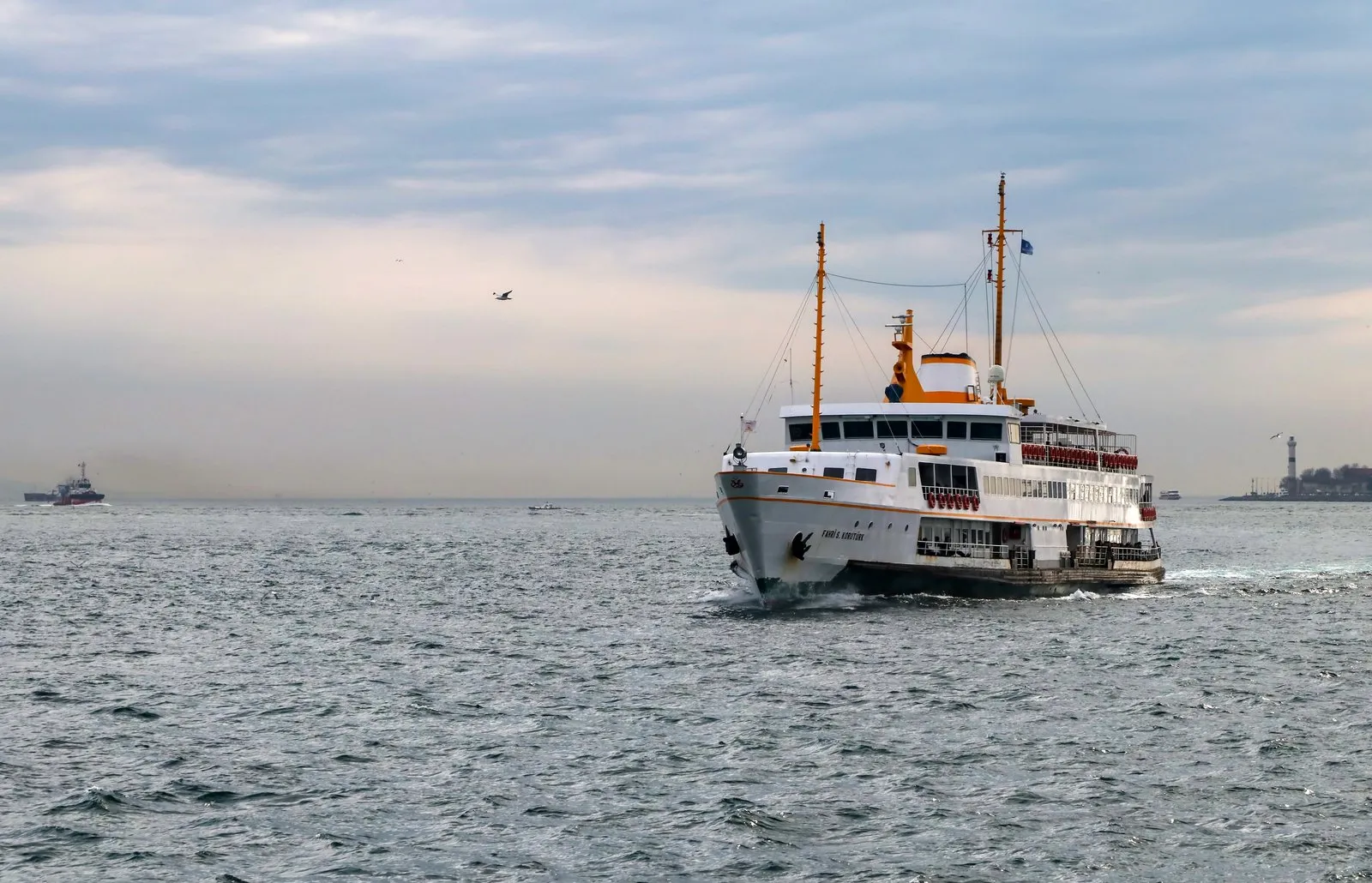
If you’re coming from the European side, catch the ferry from Eminönü. A single journey costs about 65 TL with your Istanbulkart (65.21 TL since July 2026). Current ferry schedules are listed on IETT Istanbul. The boat ride itself is worth doing: you get a clear view of the old city skyline on the way over, which is one of the better free experiences in Istanbul.
Stop 1: Kadıköy Produce Market (Kadıköy Pazarı)
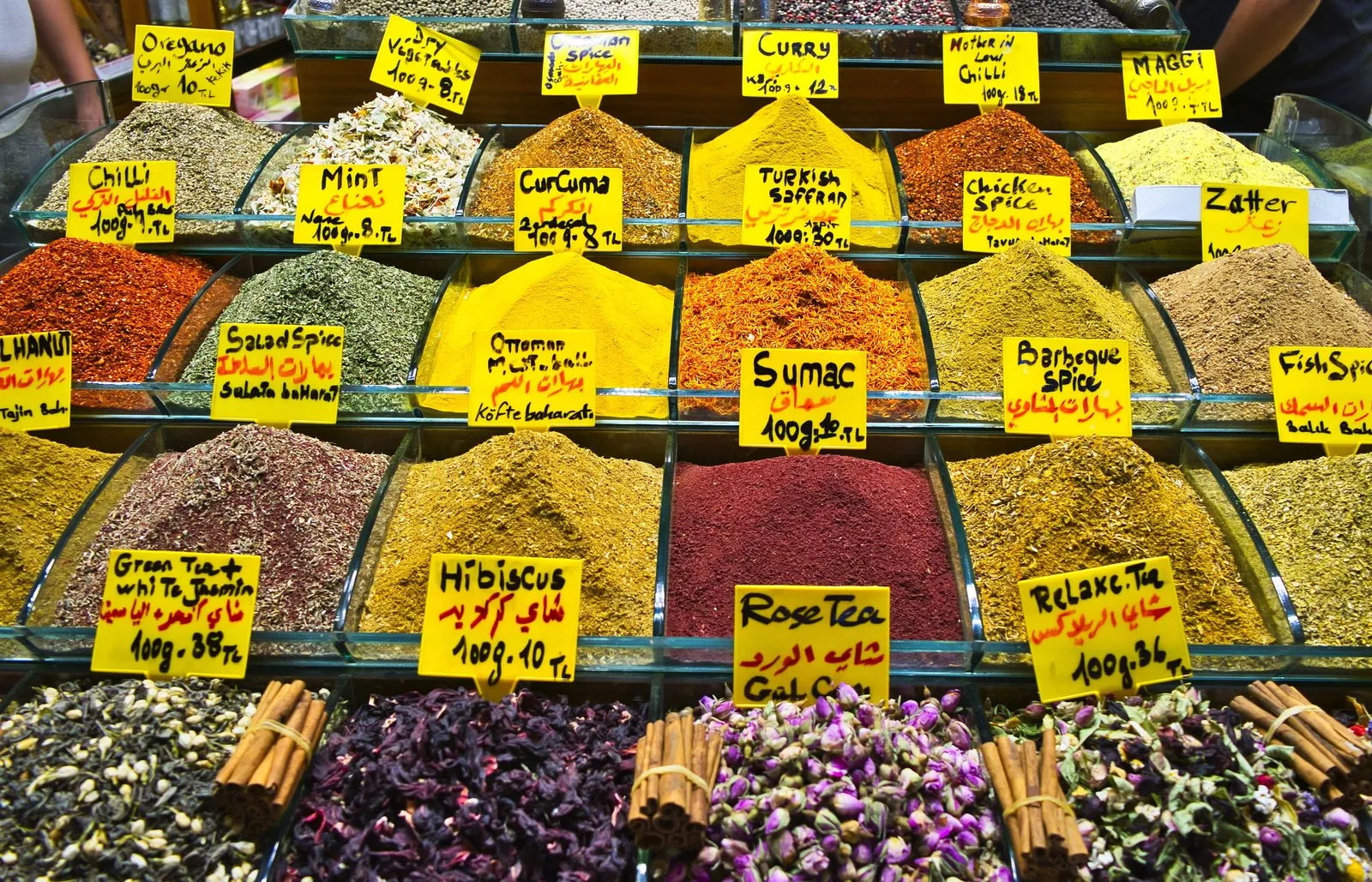
Start at the covered market off Moda Caddesi. This is the real thing: butchers, spice sellers, pickle barrels, fresh cheese counters, and pastry shops tucked between produce stalls. Don’t rush it. The market has been feeding this neighbourhood for generations and the vendors are used to curious visitors.
- Pick up a bag of dried figs or apricots for the road. The dried-fruit stalls near the entrance have excellent quality at fair prices.
- Try the tulumba (fried dough soaked in syrup) from the pastry counter near the fish section.
- Look for stalls selling sucuk (spiced dried sausage) and ask for a sample. Vendors here are generally generous.
- The olive counter usually carries 20 or more varieties. Point at what looks good and the vendor will bag it up.
- Check the cheese stalls for beyaz peynir (white feta-style cheese) and kaşar. Both travel well if you’re buying for a picnic.
Budget around 100-200 TL if you’re buying snacks, more if you stock up on cheese, olives, and spices.
Stop 2: Çiya Sofrası for Anatolian Home Cooking
Çiya Sofrası on Güneşlibahçe Sokak is one of the few restaurants in Istanbul that treats regional Turkish food as a serious subject. Chef Musa Dağdeviren has been researching, documenting, and cooking dishes from all over Anatolia since the 1990s. The daily changing menu features things you won’t find anywhere else in the city, including forgotten dishes from specific regions and seasonal ingredients cooked in traditional ways.
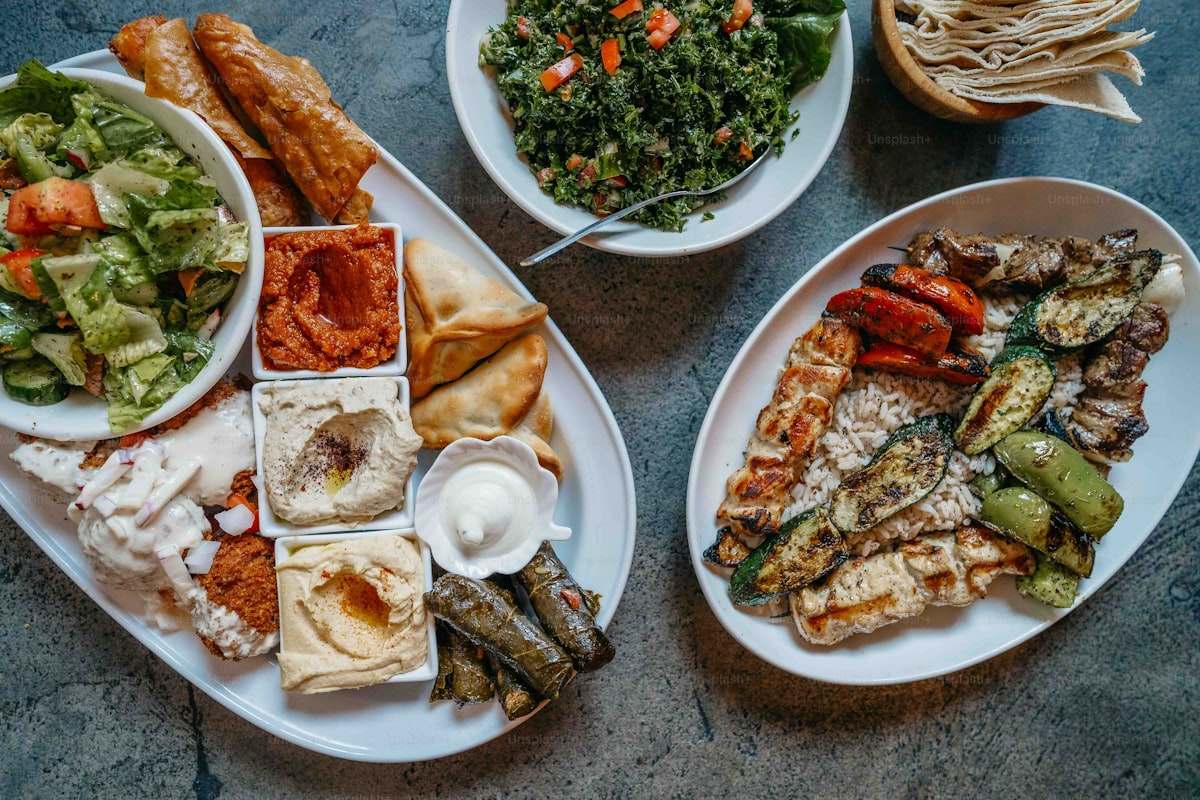
Order the tasting portions if they’re available, or just point at the display cases and tell the server what looks good. The lamb dishes are almost always worth ordering. The seasonal vegetable preparations are remarkable, particularly in autumn and spring. Expect to spend 400-600 TL per person for a proper meal with bread and a soft drink.
Çiya Sofrası is featured in international food guides and attracts a mix of locals and serious food tourists. It deserves its reputation.
Stop 3: Moda Caddesi and the Waterfront
Walk south from the market along Moda Caddesi. This is Kadıköy’s main tree-lined boulevard, lined with independent cafes, bookshops, and patisseries. It leads down to the Moda waterfront park, one of the better spots in the city to sit with a tea and look at the Bosphorus without anyone trying to sell you something.
Several good bakeries sit along this stretch. Pick up a simit (sesame-crusted bread ring) or a fresh börek if you need something between stops. Prices here are still very local: a simit costs around 30 TL, a slice of börek 40-60 TL at a neighbourhood shop. The Moda waterfront itself has benches, a small park, and a view across to Salacak and the Maiden’s Tower. It’s a good place to take a 15-minute break and watch the city move.
Stop 4: The Fish Sandwiches at Kadıköy İskelesi
Down near the ferry terminal, you’ll find small stalls selling balık ekmek (fish in bread). The Kadıköy version is grilled mackerel, served with pickled vegetables and a wedge of lemon in a soft white roll. Some vendors add a thin layer of spiced salsa; others keep it plain. Both versions work.
This is one of Istanbul’s definitive street foods, and 2026 prices still make it good value at around 150-250 TL. Eat it standing, facing the water. The fish is best when it’s just off the grill, so if the stall looks quiet, wait for a fresh batch rather than taking something that’s been sitting.
Stop 5: Kanaat Lokantası for Something Traditional
Kanaat has been feeding the Üsküdar area since 1933. It is the one stop outside central Kadıköy: a short bus, taxi or Marmaray ride north to Üsküdar. It’s a classic lokanta format: a long counter of hot dishes, you point and they plate. The food is honest Turkish home cooking, the kind that takes hours to make and is served without ceremony. Braised green beans in tomato, slow-cooked chickpeas with lamb, stuffed vine leaves, good rice.
This is a solid stop if Çiya was too crowded or if you want something lighter mid-crawl. The portions are generous and the prices reflect the neighbourhood, not the tourism economy. A full plate of two dishes plus rice and bread runs around 300-400 TL. No alcohol, no atmosphere to speak of, just good food served efficiently. That’s what a lokanta is for.
Check the full Kadıköy neighbourhood guide for more traditional restaurant recommendations in the area, including some smaller spots around the market that are less well-known.
Stop 6: A Rooftop Tea or Coffee to Finish
End the crawl at one of the rooftop cafes near the market or along Bahariye Caddesi. Several buildings in central Kadıköy have terrace cafes with views over the neighbourhood rooftops toward the Bosphorus. The light in late afternoon, especially from April through October, is warm and long. It’s one of those Istanbul moments that doesn’t cost much and stays with you.
Order a Turkish tea (çay) or a filter coffee and let the afternoon settle. A tea costs 30-40 TL, a proper Turkish coffee around 60-80 TL at a decent neighbourhood cafe. If you want something stronger, several bars in the Moda area open from 17:00 and serve cold Efes beer and raki alongside small snacks.
Getting to Kadıköy and Getting Around
The easiest route from the European side is the ferry from Eminönü or Karaköy (about 65 TL with Istanbulkart, journey time 20 minutes). From Taksim, bus lines cross the Bosphorus bridge to Kadıköy (46.20 TL, journey time 30-45 minutes depending on traffic). From the Asian side, Metro M4 stops at Kadıköy (46.20 TL).
Once you’re in the neighbourhood, everything on this crawl except Kanaat in Üsküdar is within easy walking distance. The market, Çiya, Moda Caddesi, and the ferry terminal form a compact loop of under 2km. The streets are mostly flat. Comfortable shoes are all you need.
For more on getting around Istanbul’s Asian neighbourhoods by ferry and metro, see the Üsküdar local guide, which covers transport connections on the Asian side in detail. Kadıköy and Üsküdar are well-connected and a combined visit to both in one day is practical and worth doing.
Have you done a food crawl in Kadıköy? Drop a comment below with your favourite stop, or tell me what I’ve missed. The market changes with the seasons and there’s always something worth tracking down.

Written by Deniz
Deniz is a video producer living in Kağıthane who explores a new corner of Istanbul every week and writes the practical guides she wishes friends had before visiting.